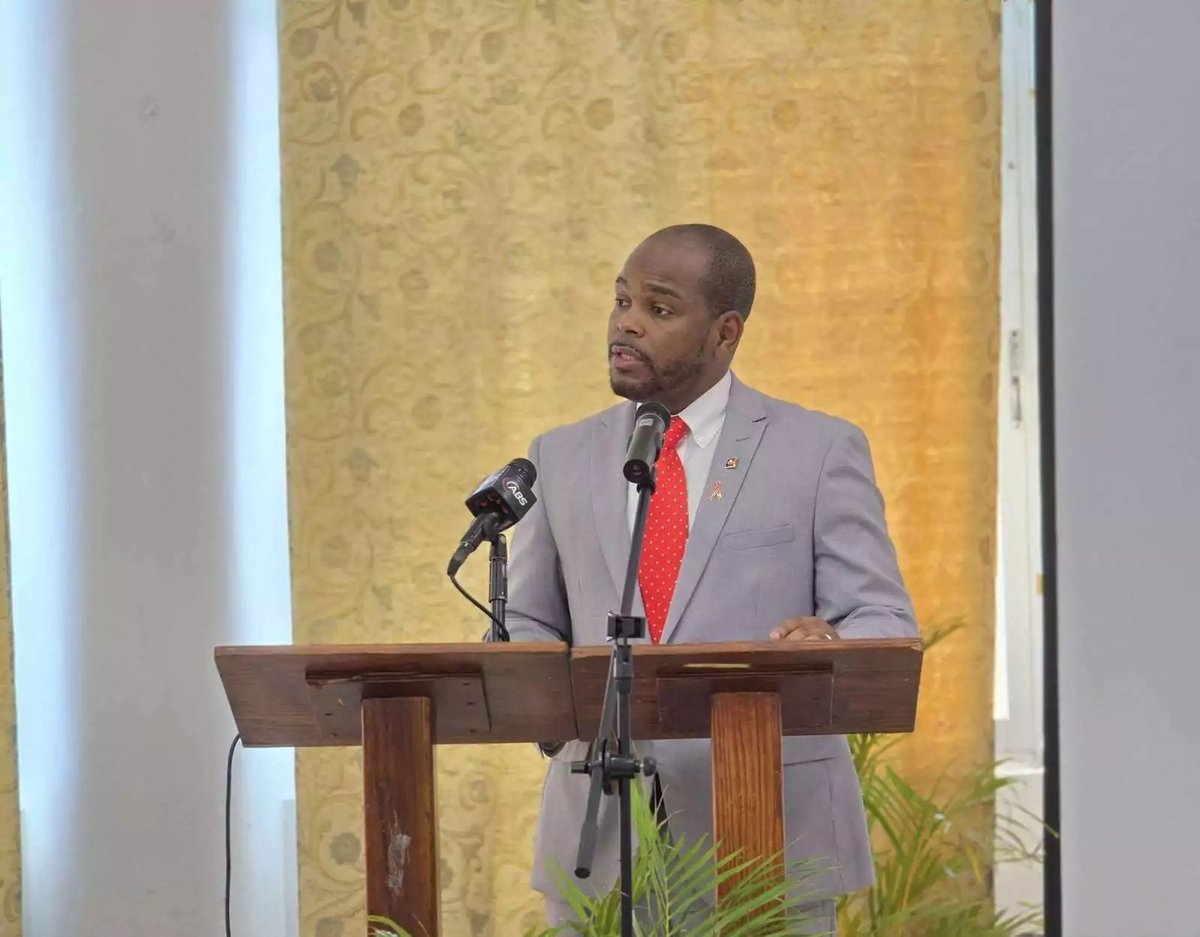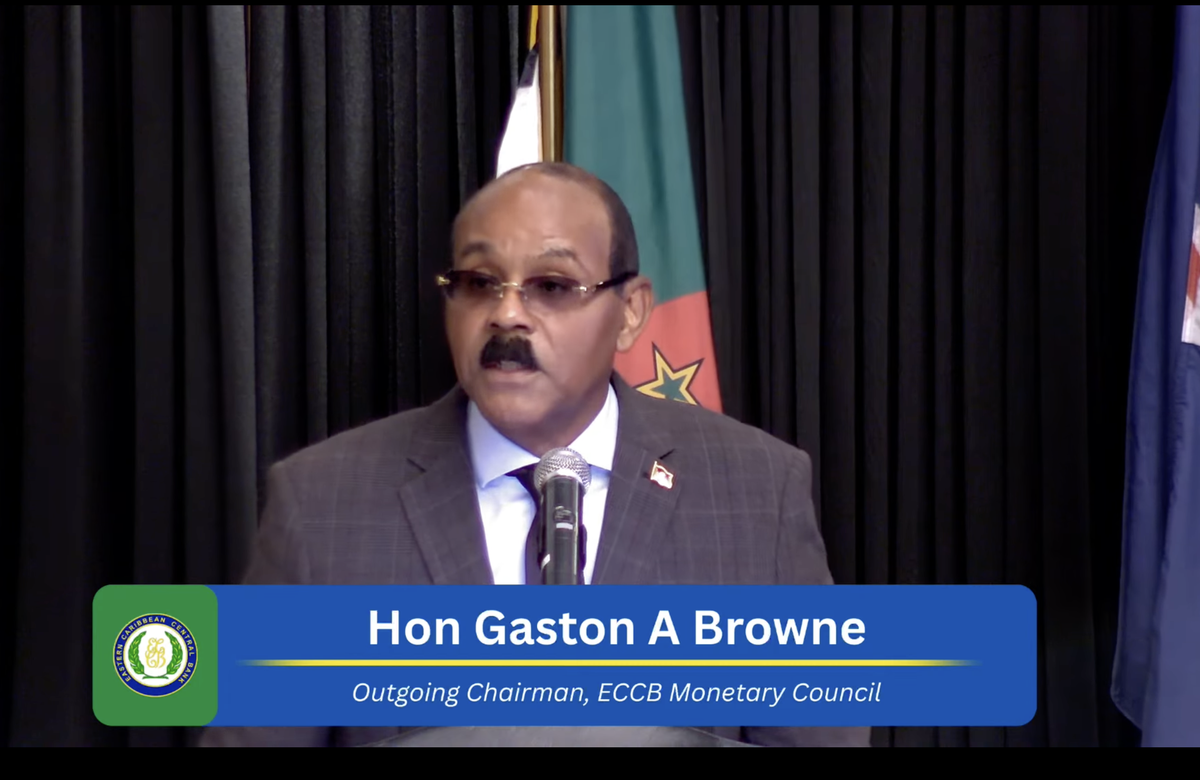
ROSEAU, Commonwealth of Dominica — Prime Minister of Antigua and Barbuda, the Rt. Hon. Gaston Browne, has called for a transformative approach to regional economic development, urging the Eastern Caribbean Central Bank (ECCB) and Member Governments to adopt innovative financing mechanisms capable of doubling the size of Eastern Caribbean economies within seven years.
According to Antigua News Room, Prime Minister Browne made the appeal while addressing the Eastern Caribbean Central Bank Monetary Council Meeting in Dominica on July 9th, 2026. He declared that the Eastern Caribbean Currency Union (ECCU) has reached a defining moment and must now move beyond preserving economic stability toward accelerating sustainable growth, wealth creation and greater economic ownership for the people of the region.
"The objective is not simply economic growth," the Prime Minister stated. "It is to create wealth, expand ownership, strengthen entrepreneurship, increase investment and create lasting opportunities for our people."
Prime Minister Browne strongly endorsed ECCB Governor Timothy Antoine's vision of a regional "Big Push" strategy, which aims to expand the combined Gross Domestic Product of the Currency Union to approximately EC$50 billion. He argued that achieving this ambitious target will require bold thinking and innovative financial instruments capable of mobilising significant investment across productive sectors throughout the Eastern Caribbean.
To help catalyse the transformation, Prime Minister Browne proposed that the ECCB examine the prudent use of a small portion of its international reserves to support strategic investments in renewable energy, infrastructure and other productive sectors — without compromising the integrity of the EC dollar or the Bank's reserve backing.
"The Bank must assist in catalysing funding for the Big Push by developing creative and innovative credit and securities instruments," he told the Council.
The Prime Minister noted that stronger domestic investment would reduce the region's dependence on imported goods and excessive reliance on foreign direct investment, thereby strengthening long-term economic resilience.
Prime Minister Browne also welcomed the Monetary Council's endorsement of the ECCB Strategic Plan 2026–2031, which places renewed emphasis on food and nutrition security, energy resilience, regional connectivity, trade, logistics, financial deepening and wealth creation.
Among the flagship initiatives under discussion is the establishment of OECS Air, a proposed regional airline designed to improve connectivity among Member States, facilitate commerce, strengthen tourism and enhance investment throughout the Currency Union. Prime Minister Browne noted that persistent flight delays, cancellations and service reductions by international carriers have made reliable regional transportation more critical than ever. He explained that while the airline would be collectively owned by OECS Governments, it would operate on commercial principles under private management to ensure efficiency, profitability and long-term sustainability.
The Monetary Council is also expected to approve the responsible use of dormant account balances held at the Central Bank to finance regional development initiatives. Prime Minister Browne stressed that the decision will fully protect depositors' rights, with lawful owners and beneficiaries retaining the right to reclaim their funds at any time. This replaces a previous statutory limitation under which unclaimed funds could be permanently forfeited after thirty years.
On the region's energy future, Prime Minister Browne highlighted significant progress made during his Chairmanship in advancing renewable energy projects through the Resilient Renewable Energy Infrastructure Investment Facility. He disclosed that funding commitments of approximately US$200 million have already been secured through international development partners, with discussions continuing on expanding the programme to approximately US$300 million.
Investments in renewable energy, geothermal development and regional ICT infrastructure, he said, will strengthen energy security, reduce electricity costs, improve regional competitiveness and significantly cut the outflow of foreign exchange currently spent on imported fossil fuels.
Prime Minister Browne also commended the ECCB's continued efforts to expand financial inclusion through initiatives such as the First Step Savings Account, the Credit Bureau and the proposed Office of Financial Conduct. He urged Member States that have not yet enacted the necessary legislation to do so promptly, ensuring consumers across the Currency Union benefit from a more transparent, accessible and modern financial system.
The Prime Minister concluded that the Eastern Caribbean possesses both the institutional strength and financial stability required to transform its economies through bold leadership, regional collaboration and strategic investment.
"The time has come to build economies that create wealth for our own people while strengthening the long-term resilience of the Eastern Caribbean Currency Union," he said.