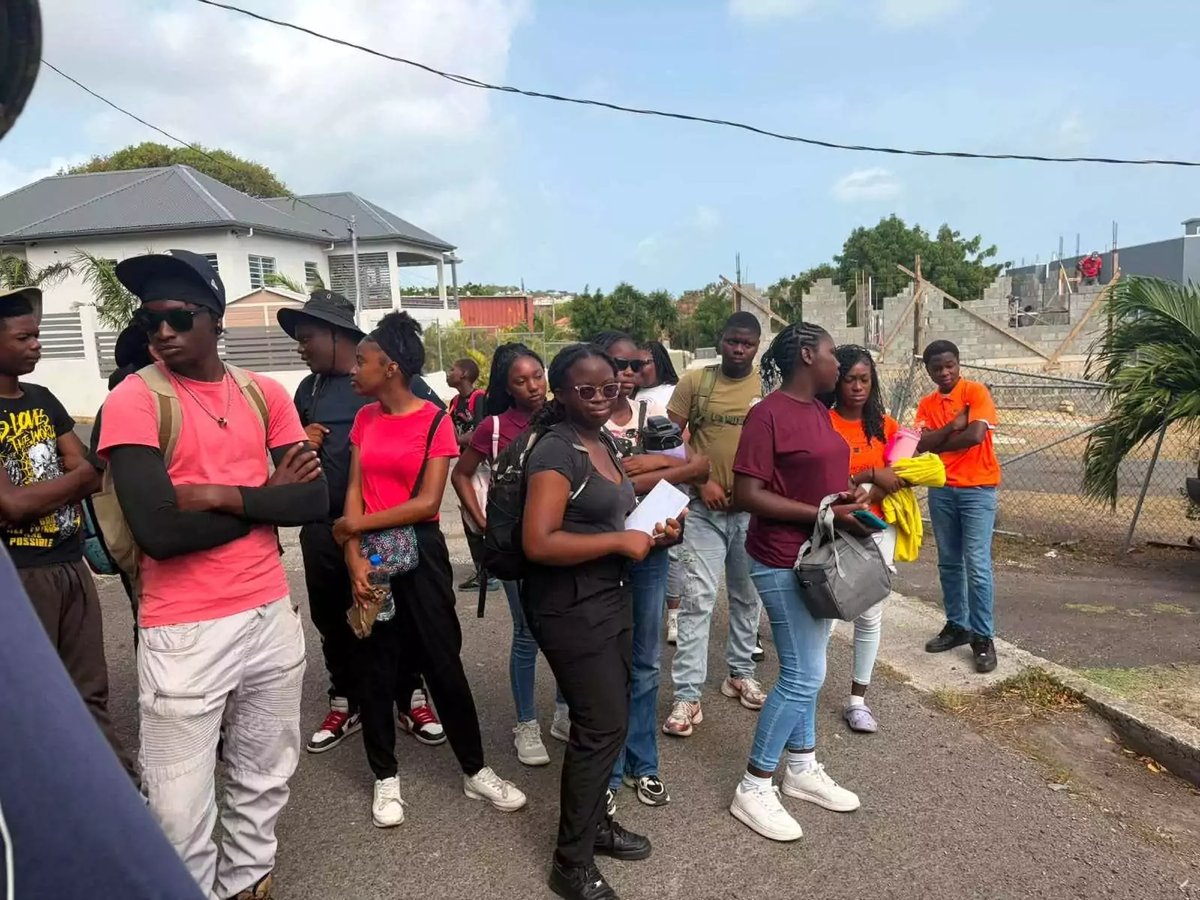
Participants in Antigua and Barbuda's Agriculture Summer Internship Programme visited SeaSprings Aqua Farm recently for an in-depth introduction to freshwater aquaculture, gaining hands-on knowledge from a veteran farmer with a decade of experience in the field. According to Antigua.news, aquaculture farmer Kevin Alexander led the session, sharing practical insights into sustainable fish farming and its growing relevance to the nation's agricultural sector.
Alexander introduced the interns to two featured species: the Giant River Prawn (Macrobrachium rosenbergii), originally from Thailand and now farmed across Antigua and Barbuda, Dominica, Saint Lucia, and parts of Jamaica, and the Australian Red Claw Crayfish, commonly known as a freshwater lobster.
A central theme of the visit was water quality. Alexander explained that poor water conditions place significant stress on aquatic animals, and that regular water changes serve as the most effective remedy for many common problems. He also walked interns through the farm's filtration system, which maintains clean water without the use of soil, enabling a controlled and efficient growing environment.
The farm operates on organic principles. No additional chemicals or nutrients are introduced into the water, and the prawns are fed sinking pellets while tilapia receive floating pellets. The distinction in feed type reflects the differing feeding behaviours of each species.
Beyond prawns, the farm houses tilapia, lobster, koi fish, sea urchins, and parrotfish. Alexander noted that parrotfish share a tank with the Giant River Prawns and Australian Red Claw Crayfish specifically because they help control tadpole populations within the system.
Alexander also walked the group through the Giant River Prawn's life cycle. Though the species lives in freshwater, it requires brackish water to reproduce. Interns were introduced to the hatchery, nursery, and grow-out stages of production, and learned that the species' aggressive tendencies demand careful feeding and management strategies to prevent cannibalism among the stock.
The interns were given the opportunity to observe and handle mature prawns directly, providing a tangible appreciation for the scale and complexity of freshwater aquaculture operations.
The visit concluded with Alexander outlining his vision for the sector's future, including the development of local hatcheries to support Antigua and Barbuda's broader fisheries industry through expanded, sustainable aquaculture practices.
The experience offered participants practical knowledge while underscoring the potential for freshwater aquaculture to play a meaningful role in strengthening the country's agricultural economy.