Prime Minister Gaston Browne has announced that a dispute between the Antiguan government and a U.S.-based contractor over the country's liquefied natural gas (LNG) project has been resolved, clearing the way for the first LNG shipment to arrive within the next 30 days.
According to Antigua News Room, Browne made the announcement during an appearance on Pointe FM on Saturday, revealing that the government had rejected a multimillion-dollar claim from contractors and resisted proposed price increases before ultimately reaching a compromise with all parties.
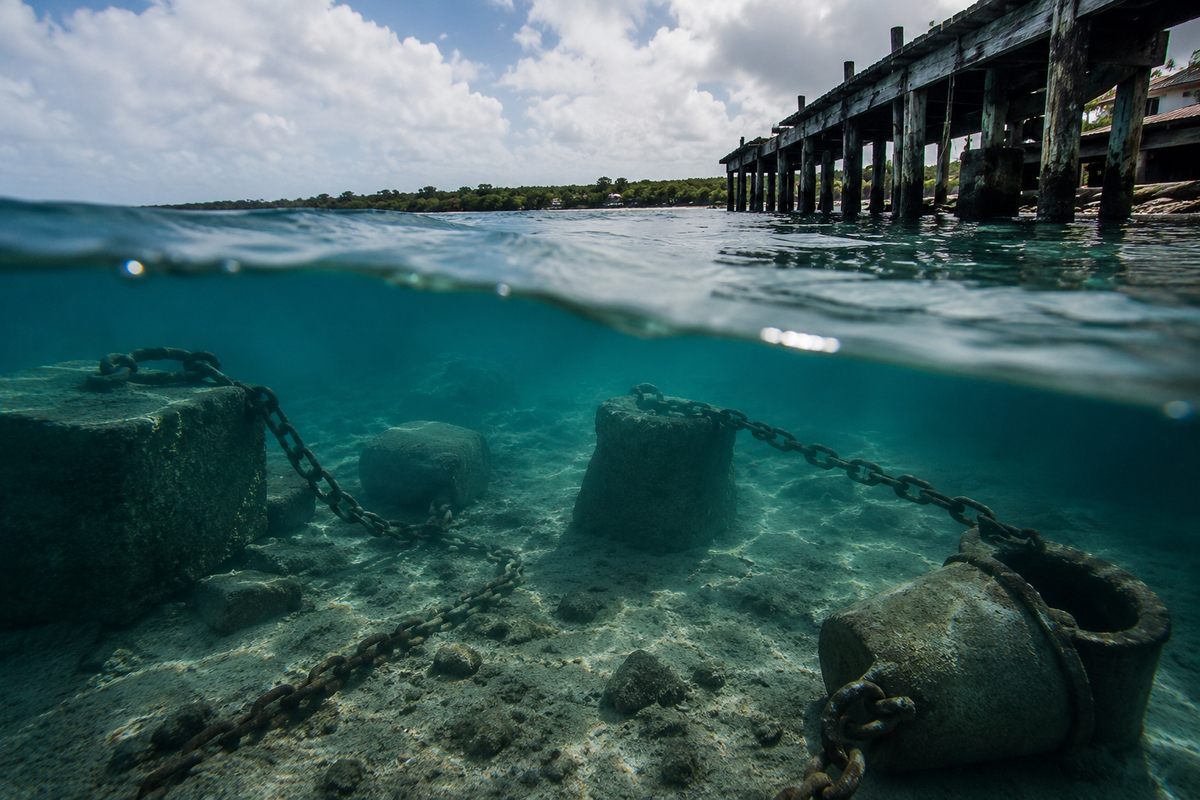
Browne said the dispute originated from delays in dredging work required to accommodate LNG vessels. The work proved more difficult than anticipated due to unexpected rock formations beneath the seabed.
"We were told initially that it was all sand. They had some extremely hard rocks," Browne said. He explained that the government first deployed its own dredging company, Blue Ocean, before engaging a second contractor, Dutch Dredging, which also struggled to complete the work.
The delays prompted a U.S.-based joint venture involving Eagle to demand an additional US$60 million from the government, claiming losses caused by the postponed dredging. Browne said the claim was rejected outright.
"We had armed officials in the U.S. State Department calling us and trying to harangue us into probably settling," Browne said. "As we said to them, we had no such legal undertaking to cover any such costs."
The prime minister was unequivocal in his assessment of the demand. "I went further. I said, 'What you stated is not true. You didn't lose US$60 million. They're trying to fleece us.'" he said.
Further disagreements emerged when contractors sought to raise the price of LNG supply after a smaller, specialised vessel had to be used in place of the originally planned ship. While the government agreed to absorb several hundred thousand dollars in additional monthly shipping costs, Browne said it drew the line at what he described as an excessive increase in the energy charge.
Eagle proposed a price increase of US$2.25, while the Antigua Public Utilities Authority advised that an increase of US$1.62 would be reasonable. The government held firm.
"We made it abundantly clear to them that under no circumstances were we going to pay that increase of US$2.25," Browne said. "We said to them, 'If you don't like it, go to court.'"
Browne also revealed that APUA's existing electricity supplier, APC, resisted government efforts to reduce the volume of electricity purchased under its current contract — a move intended to take advantage of cheaper LNG-generated power. "I also said to them, 'You have no choice. You're only contracted to take 170. If you have a problem too, go to court,'" he said.
The standoff has since ended, with all parties agreeing to the US$1.62 increase recommended by APUA.
"I'm told now that it's settled," Browne said. "The increase is US$1.62… which I think is a reasonable compromise in the circumstances."
Browne said the transition to LNG is expected to reduce electricity generation costs compared with diesel and heavy fuel oil, while also lowering Antigua and Barbuda's carbon emissions as the country moves toward greater reliance on renewable energy.
"We continue to fight unrelentingly for the people," Browne said. "You don't get what you deserve in life. You get what you fight for."