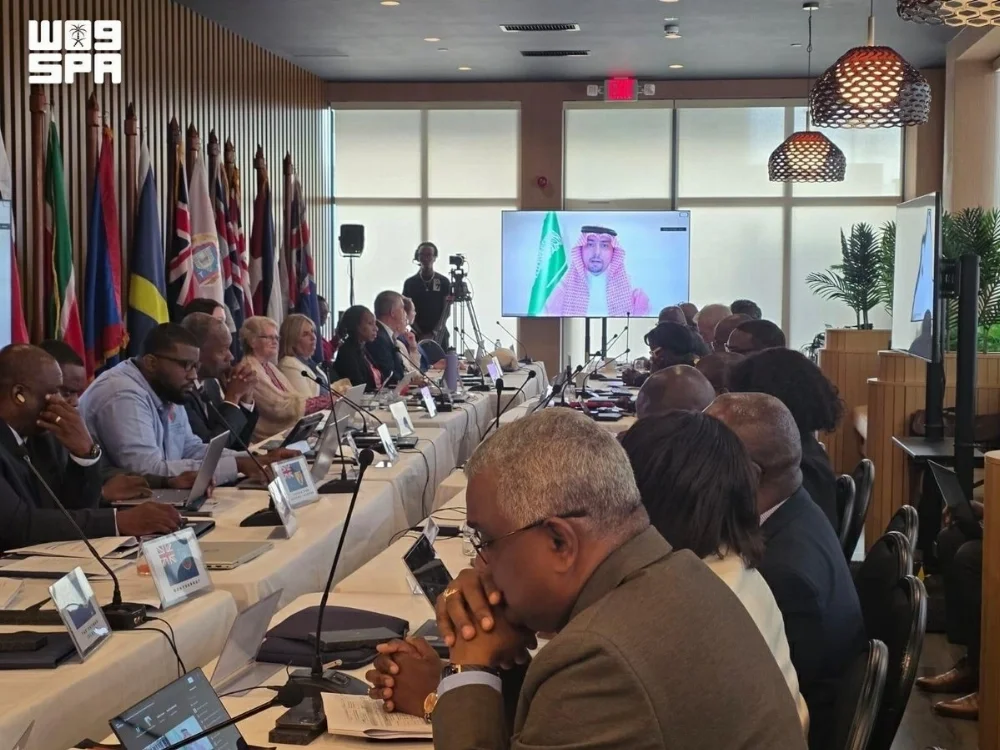
Saudi Arabia has launched a new two-year initiative aimed at strengthening maritime governance across 14 Caribbean nations, including Antigua and Barbuda. According to Antigua News Room, the "Caribbean Maritime Transport Sustainability" project was announced during the Fifth Regional Meeting of Directors and Heads of Maritime Administrations, held in Georgetown, Guyana.
The project was developed in cooperation with the International Maritime Organization (IMO) and targets a broad group of beneficiary states: Antigua and Barbuda, The Bahamas, Barbados, Belize, Dominica, Grenada, Guyana, Jamaica, Saint Kitts and Nevis, Saint Lucia, Saint Vincent and the Grenadines, Suriname, and Trinidad and Tobago.
The initiative seeks to strengthen maritime legislation and regulatory frameworks throughout the region, with a focus on policy alignment and institutional capacity. Participating states will receive support in ratifying and implementing priority IMO instruments within their national legal systems, as well as assistance in drafting maritime legislation and developing national maritime policy strategies in coordination with the IMO Regional Office.
Speaking at the Georgetown meeting, Saudi Arabia's Permanent Representative to the IMO, Kamal Al-Junaidi, underscored the central importance of the sea to Caribbean nations, describing it as "not merely an aspect of life, but life itself." He added that the Kingdom understands this reality through its own experience.
Al-Junaidi stressed that the prosperity of Caribbean nations is closely tied to the safety, security, and sustainability of their surrounding waters, and emphasized a shared responsibility to keep those waters safe, clean, and accessible for future generations.
He noted that the project is grounded in the conviction that international agreements can only achieve meaningful impact when translated into enforceable national legislation. Al-Junaidi expressed hope that the initiative would yield concrete results, including stronger laws, more effective institutions, and higher levels of compliance — ultimately enabling Caribbean states to play a greater role in global maritime governance.