The Minister for Agriculture has briefed Cabinet on the continued partnership between the Ministry of Agriculture and the Inter-American Institute for Cooperation on Agriculture (IICA), a key collaborator in repositioning agriculture as a central pillar of economic growth, food security and climate resilience in Antigua and Barbuda.
Several initiatives are advancing under IICA's 2025 Technical Cooperation Programme, with Antigua and Barbuda serving as one of the principal beneficiaries of regional projects designed to improve agricultural productivity, strengthen disaster preparedness and enhance food and nutrition security.
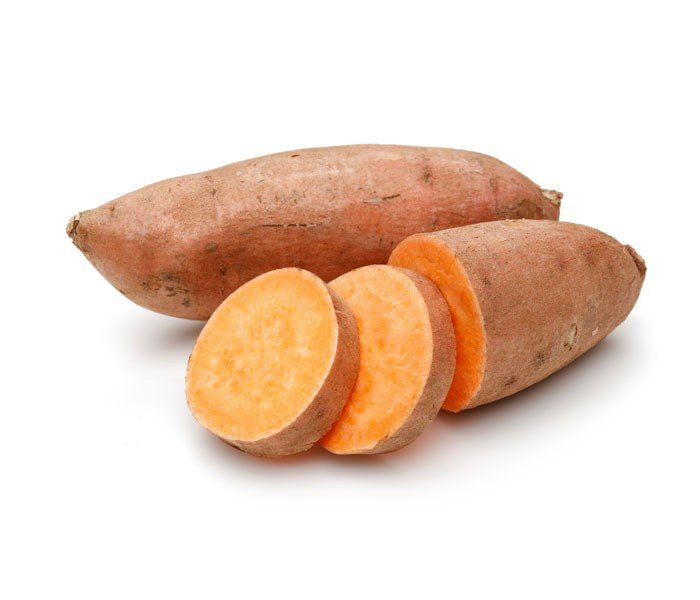
Among the flagship programmes is the Next Generation Sweet Potato Production in the Caribbean Project, implemented jointly by IICA, the Ministry of Agriculture and the Caribbean Agricultural Research and Development Institute (CARDI). The project aims to increase productivity and the utilisation of sweet potato genetic resources while improving food security across the region.
Activities under the project include the introduction of improved planting materials, testing of high-yielding and climate-resilient varieties, farmer training in good agricultural practices, and the strengthening of pest management systems to reduce crop losses.
The initiative will also explore value-added opportunities such as the production of flour, mash and chips, while encouraging greater participation by women, youth and lead farmers in building a national sweet potato value chain.
The Minister also highlighted progress under the Mobile Seed Bank Project, an IICA-CARDI initiative designed to strengthen disaster preparedness and post-disaster agricultural recovery throughout the Caribbean. Antigua and Barbuda, alongside Dominica, has been identified as a primary country of focus due to its seed production and storage capabilities.
The project will pilot a mobile seed bank to facilitate the conservation and distribution of seeds during emergencies, while building national technical capacity in seed and germplasm production and conservation. It also includes the digitisation of seed and planting material inventories across the region to improve traceability and quality assurance, and the establishment of reserve stocks to support the rapid resumption of crop production following adverse weather events.
CARDI has already commenced seed production activities in Antigua and Barbuda, cultivating pumpkin and eggplant for seed multiplication and eventual distribution to farmers in the aftermath of natural disasters.
Cabinet was also informed of regional efforts to strengthen surveillance and response capacity for African Swine Fever (ASF), a highly contagious viral disease affecting domestic and wild pigs. Through IICA and its regional partners, Antigua and Barbuda is participating in initiatives to enhance disease surveillance, improve sample collection and laboratory capacity, and develop coordinated response mechanisms to safeguard the local and regional livestock industry.
Cabinet welcomed the progress achieved through the IICA partnership and reaffirmed the Government's commitment to modernising agriculture, strengthening climate resilience and advancing sustainable agricultural development.