Economic diversification stands as one of the most consequential conversations Antigua and Barbuda can have about its future. As a small island state historically dependent on tourism, the nation remains exposed to external shocks — global recessions, pandemics, geopolitical conflicts, and natural disasters. According to Antigua News Room, the country is already taking meaningful steps to build a more resilient and diversified economy.
Tourism remains the economic foundation, but the Government has recognised the need to move beyond traditional sun, sea, and sand offerings. Investments in sports tourism, yachting, events, heritage experiences, and conference tourism are broadening the visitor base and generating opportunities across multiple sectors.
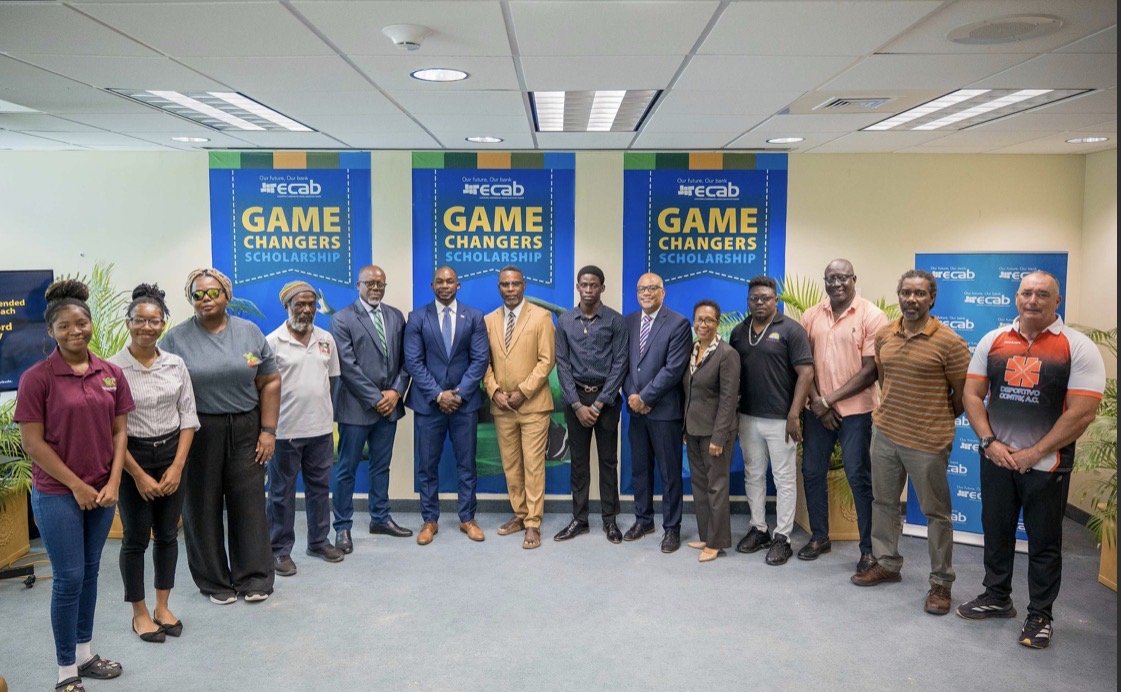
Sports has itself become a significant pillar of that diversification strategy. Through targeted investments in facilities, programmes, and international competitions, Antigua and Barbuda is strengthening its standing as a destination for elite sporting events — creating opportunities for athletes, businesses, and local communities alike.
The creative industries also hold considerable promise. Carnival, music, visual arts, literature, and cultural festivals such as the One Nation Music Festival contribute meaningfully to economic activity while amplifying the nation's unique identity. Sustained support for artists and cultural entrepreneurs could further establish Antigua and Barbuda as a regional cultural hub.
The Government has also moved into the medicinal cannabis sector. With a regulatory framework in place and growing global interest in wellness-related services, opportunities are emerging in cultivation, research, pharmaceuticals, and wellness tourism.
Agriculture remains critical to both food security and broader economic growth. Beyond primary farming, significant potential exists in agro-processing and value-added products — beverages, condiments, packaged foods, and export-ready local brands capable of serving regional and diaspora markets.
Antigua and Barbuda is also embracing the digital economy. Technology, software development, artificial intelligence, remote services, and digital entrepreneurship offer pathways to high-value jobs and export earnings, reducing the country's dependence on traditional industries.
Education is emerging as a growth sector in its own right. The continued expansion of the UWI Five Islands Campus reflects a long-term commitment to developing human capital, attracting regional students, and fostering innovation and research.
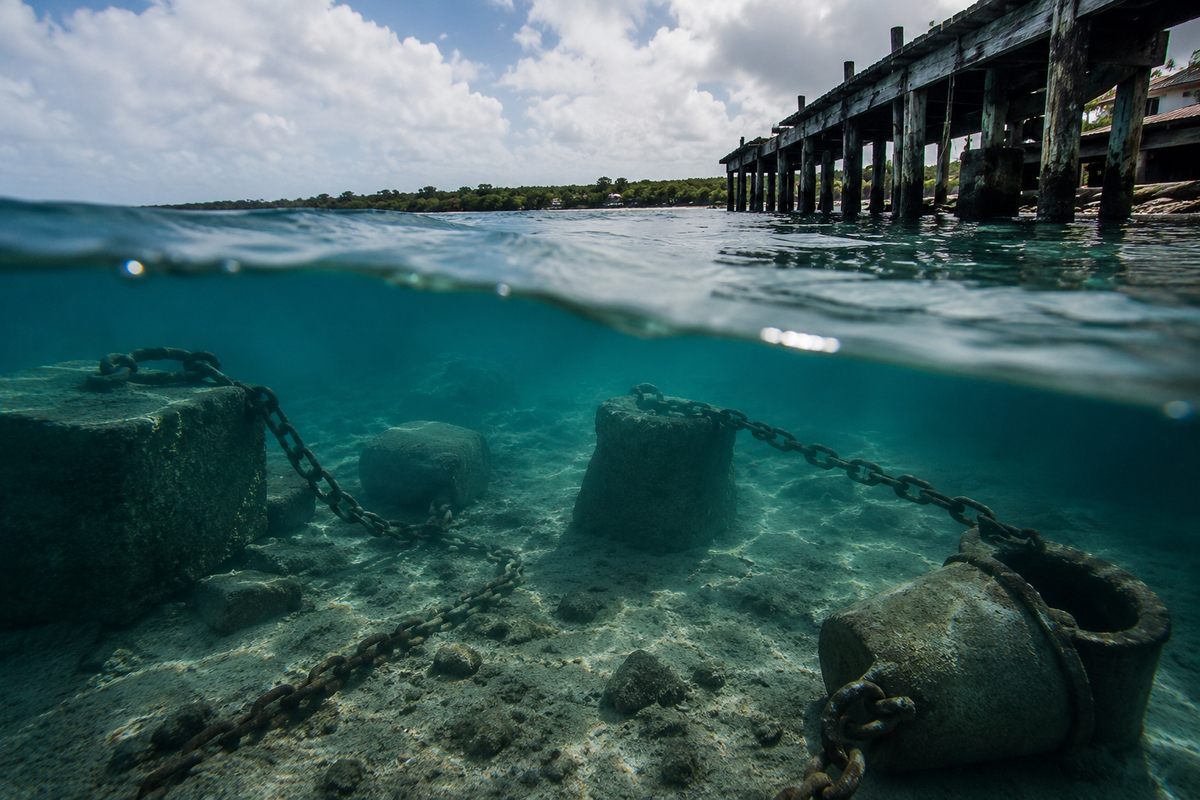
The country is likewise making strides in renewable energy and the Blue Economy. Investments in sustainable energy, marine research, and ocean-based industries are working to reduce dependence on imported fuel while opening new avenues for growth and foreign investment.
Economic diversification is not about replacing tourism — it is about building multiple pillars of growth so that no single industry dictates the nation's fortunes. Through strategic investments spanning tourism, sports, culture, agriculture, education, technology, renewable energy, and emerging industries, Antigua and Barbuda is laying the groundwork for a more resilient, sustainable, and prosperous future.