Prime Minister Gaston Browne has defended plans for overwater bungalows at Sandals Grande Antigua, arguing that the twin-island nation must continue expanding its luxury tourism offerings to remain competitive with high-end destinations worldwide.
Speaking on his weekly radio programme Saturday, Browne dismissed criticism of the proposed development, according to Antigua News Room. He said the project will boost tourism revenue while preserving public access to Dickenson Bay.
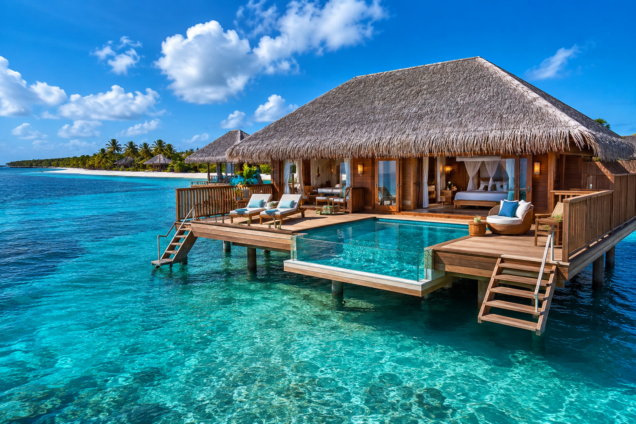
Browne had previously revealed that Sandals plans to invest more than US$100 million in an expansion that would add over 100 rooms to the resort, including approximately 16 overwater bungalow units.
The prime minister said the government has set clear boundaries on where the structures may be built. "What we've said to them, though, is that they cannot build those overwater bungalows in the middle of the beach," Browne said. "They will be going southwards towards the groyne so that they do not impede the use of the beach by other users."
Browne rejected concerns that the development would restrict access to Dickenson Bay, emphasising that the bungalows would be positioned over the water rather than on the beach itself. "These are not going to take up beach," he said. "Dickenson Bay will still be accessible to all stakeholders."
The prime minister argued that Antigua and Barbuda cannot afford to turn away investments that strengthen the country's tourism product, particularly as competing destinations continue to generate significantly higher revenues from luxury travel.
"There are some people who have the knee-jerk reaction that we have too many hotel rooms," Browne said. "Really?"
He pointed to the Maldives, Bora Bora, and the Seychelles as destinations that have built thriving tourism industries around premium accommodations, including overwater villas and bungalows, earning billions of dollars annually in the process.
"We are barely generating maybe US$2 billion a year in tourism revenues and people say we have too many hotels," Browne said.
Overwater accommodations, he noted, routinely command room rates of several thousand US dollars per night. He cited similar units at Royalton Antigua, which already generate rates of approximately US$3,000 nightly and have proven popular with visitors seeking exclusive experiences.
"These units provide a high yield," Browne said. "They're far more exciting. It enhances the product and places us in a more competitive space compared to other regional countries involved in tourism."
Browne added that the additional revenue from luxury accommodations can improve the financial performance of hotels and create opportunities for better wages and benefits for workers in the sector.
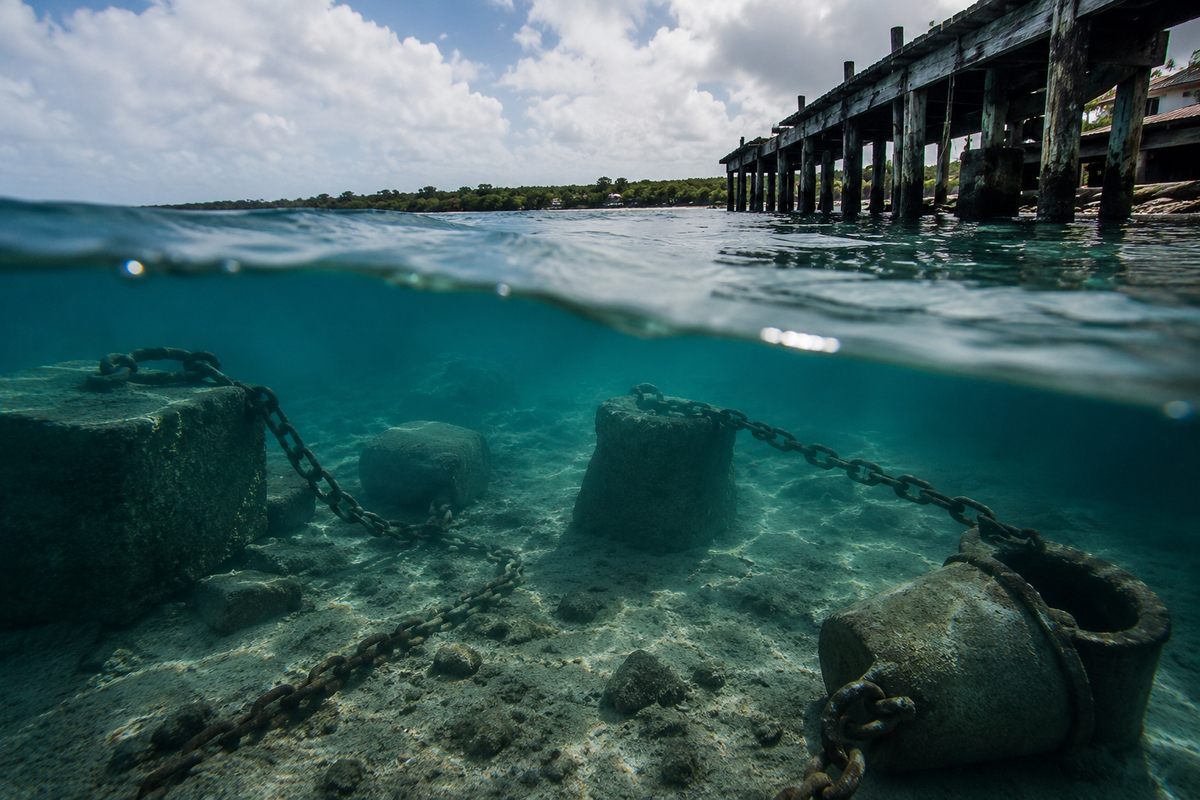
Addressing environmental concerns raised about overwater developments, the prime minister said appropriate mitigation measures can be implemented to reduce impacts, and noted that similar structures have operated successfully in hurricane-prone regions.
"There are some people who believe they will get blown down during a hurricane," Browne said. "Even if they were to be blown down, they're insured and they would have to build back."
He also pointed to existing overwater structures in Antigua that have withstood major storms as evidence that such developments can be built safely and sustainably.
Browne further revealed that Sandals Executive Chairman Adam Stewart believes the proposed bungalows could rank among the most attractive in the entire region, offering a product distinct from existing overwater units elsewhere in Antigua.
The expansion forms part of a broader government effort to increase room stock and strengthen Antigua and Barbuda's position in the global tourism market.
"As far as we can build out more of those overwater bungalows and they do not impact other users and stakeholders, I think we should encourage them," Browne said. "Because it will help to uplift our product."