As the 2026 Atlantic Hurricane Season gets underway, Caribbean fisheries and aquaculture stakeholders face a complex set of challenges — not only from the storms themselves, but from the added uncertainties posed by El Niño conditions. According to Antigua News Room, the outlook for the sector will hinge significantly on how well the region prepares and responds in the wake of adverse weather.
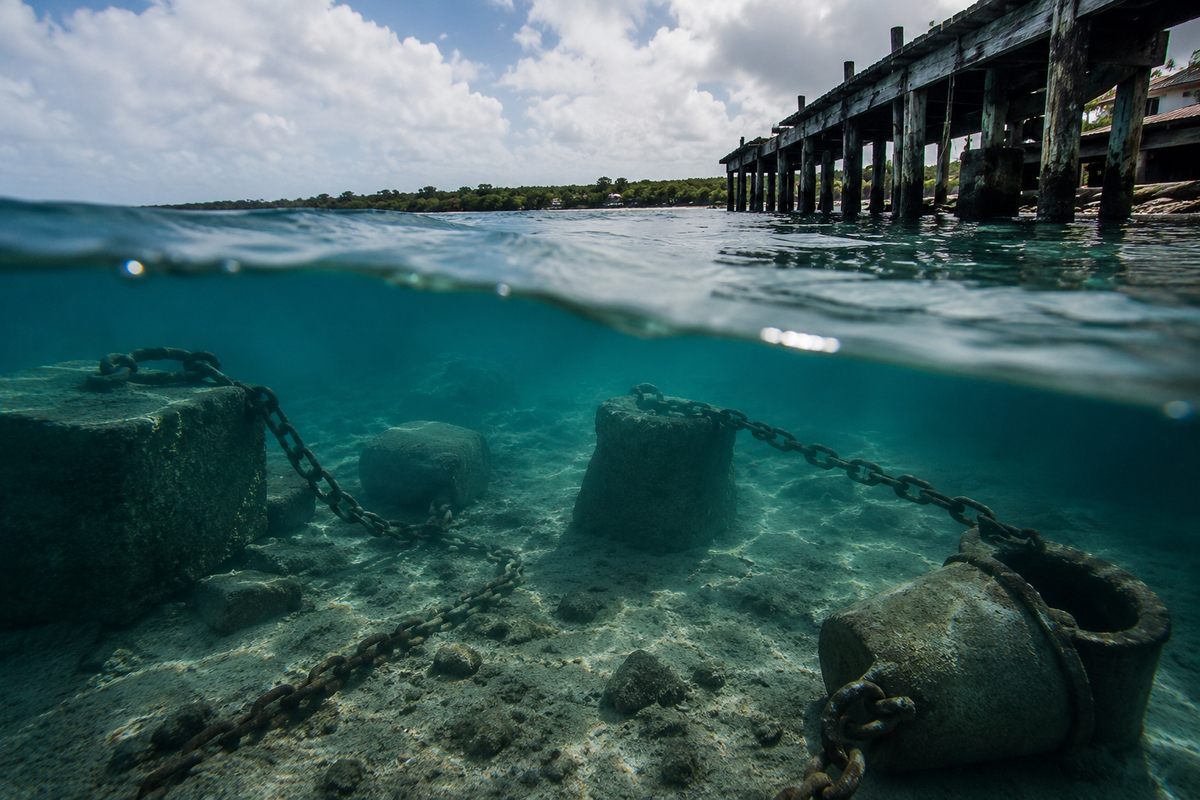
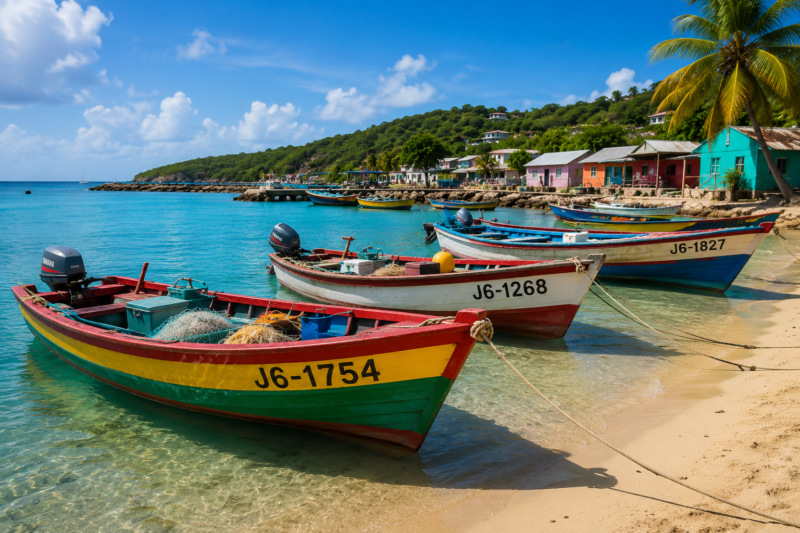
CRFM Executive Director Dr. Marc Williams has spoken directly to the recurring toll the season takes on the sector. "Every year, our fisheries and aquaculture sector faces damage to vessels, fish farms, landing sites, equipment, and marine ecosystems. These challenges directly affect food security, livelihoods, national economies, and the well-being of our people," he said.
Despite acknowledging those vulnerabilities, Dr. Williams noted that the Caribbean fisheries and aquaculture sector continues to demonstrate remarkable resilience, innovation, and determination. He stressed that preparedness must be treated as a permanent pillar of regional fisheries and aquaculture development strategies. "Preparedness saves lives, protects livelihoods, and reduces recovery costs," he said.
El Niño introduces a double-edged dynamic for the region. While the climate phenomenon can suppress hurricane activity in the Atlantic Basin, it also brings warmer average sea surface temperatures that may stress coral reefs and affect fish catches. NOAA notes that "El Niño conditions tend to support less tropical storms and hurricanes, while warmer ocean temperatures and low winds support a more active year."
NOAA's National Weather Service Director Ken Graham reinforced the need for caution despite the potential suppression effect. "Although El Niño's impact in the Atlantic Basin can often suppress hurricane development, there is still uncertainty in how each season will unfold. That is why it's essential to review your hurricane preparedness plan now. It only takes one storm to make for a very bad season," Graham said.
Dr. Williams outlined a series of concrete actions he believes the region must prioritise: strengthening early warning systems; improving climate-smart practices; enhancing fisheries safety and marine forecasting; investing in resilient infrastructure across the value chain; strengthening coordination among agencies; focusing support on small-scale fishers, women, youth, and rural households; and equipping people with the tools, knowledge, technology, and support systems needed to weather disruptions.
"As we enter another hurricane season, let us remain vigilant, united, and prepared," Dr. Williams said.
A webinar on protecting Caribbean fisheries and assets in the event of a disaster, hosted by the CARICOM Secretariat in partnership with the CRFM, is available for viewing for those who missed the live event.