By Dr. Isaac Newton
According to Antigua News Room, leadership strategist and governance expert Dr. Isaac Newton argues that democracy is undermined when entitlement substitutes for readiness, and when emotional appeal overrides sound evaluation of a leader's preparedness to serve.
Dr. Newton opens with a pointed observation: a child born into poverty is not a burden, but potential unrealised. Yet he is equally direct in asserting that poverty alone does not prepare anyone to lead — and neither does wealth. "Leadership is never inherited through circumstance," he writes. "It is formed through discipline, learning, and character."
The commentary identifies dangers at both ends of the social spectrum. A child who grows up without access to education and training may lack the knowledge required to govern effectively. Conversely, a child raised in privilege may lack the empathy and sense of responsibility that service demands. Both conditions, Dr. Newton contends, can produce failure in leadership.
Societies, he argues, routinely send contradictory messages. They elevate individuals based on family name, wealth, or influence — irrespective of whether those individuals are genuinely prepared to govern. Simultaneously, they romanticise hardship, as though suffering alone confers leadership ability. Dr. Newton dismisses both notions.
He insists that education must produce wisdom, humility, and competence — not arrogance or resentment. A qualification may open a door, he writes, but character determines what a leader does once inside.
Dr. Newton defines preparedness in concrete terms: the ability to solve real problems, manage resources responsibly, serve people fairly, and make sound decisions under pressure. He adds emotional control, patience, and the capacity to think beyond personal gain as essential qualities. Without these, he warns, leadership becomes unstable and harmful.
The commentary is pointed in its assessment of political movements that prioritise grievance over governance. "Passion alone is not preparation," Dr. Newton writes. "Many movements struggle because they focus on complaints without building solutions. It is easy to name problems. It is far harder to design systems that solve them."
He challenges leaders — particularly young ones — with a series of direct questions: How will jobs be created? How will schools improve? How will corruption be prevented? How will decisions serve the entire population rather than a select few?
Visiblity and popularity, he cautions, are not substitutes for readiness. Influence without discipline becomes a liability rather than a strength.
While the commentary speaks directly to the Antiguan and Barbudan context, Dr. Newton frames the challenge as universal. "This is the challenge of every democracy," he writes. "The real question is who is prepared, who is disciplined, and who is capable of selfless service."
His conclusion is unambiguous: strong democracies choose leaders based on readiness — not background alone, not emotion alone, not popularity alone. Those who are trained, disciplined, and morally grounded can rise from any circumstance and serve with excellence. "Leadership is not defined by where a person begins. It is defined by how they develop in wisdom, responsibility, and service to others."
"A nation is judged," he concludes, "by how it chooses those who lead it."
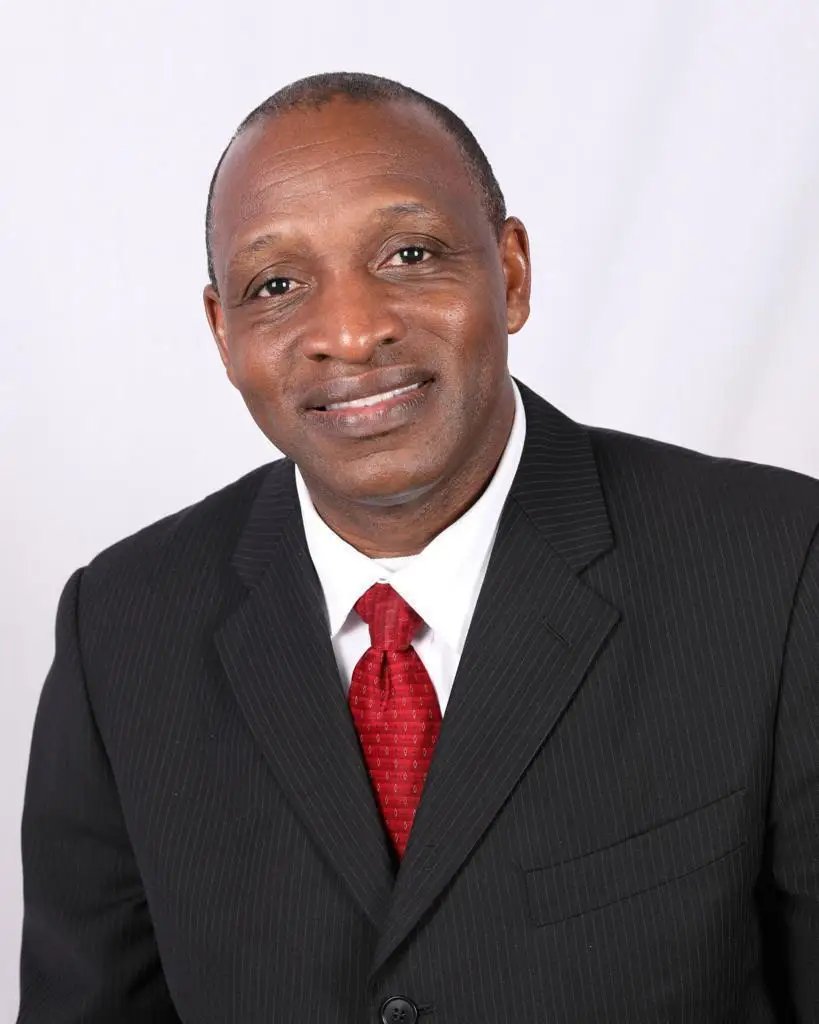
Editor's Note: Dr. Isaac Newton is a leadership strategist and governance expert in ethical leadership. He was educated at Harvard, Princeton, and Columbia. He advises leaders, educators, and institutions across the Caribbean and internationally on leadership, accountability, and human development.