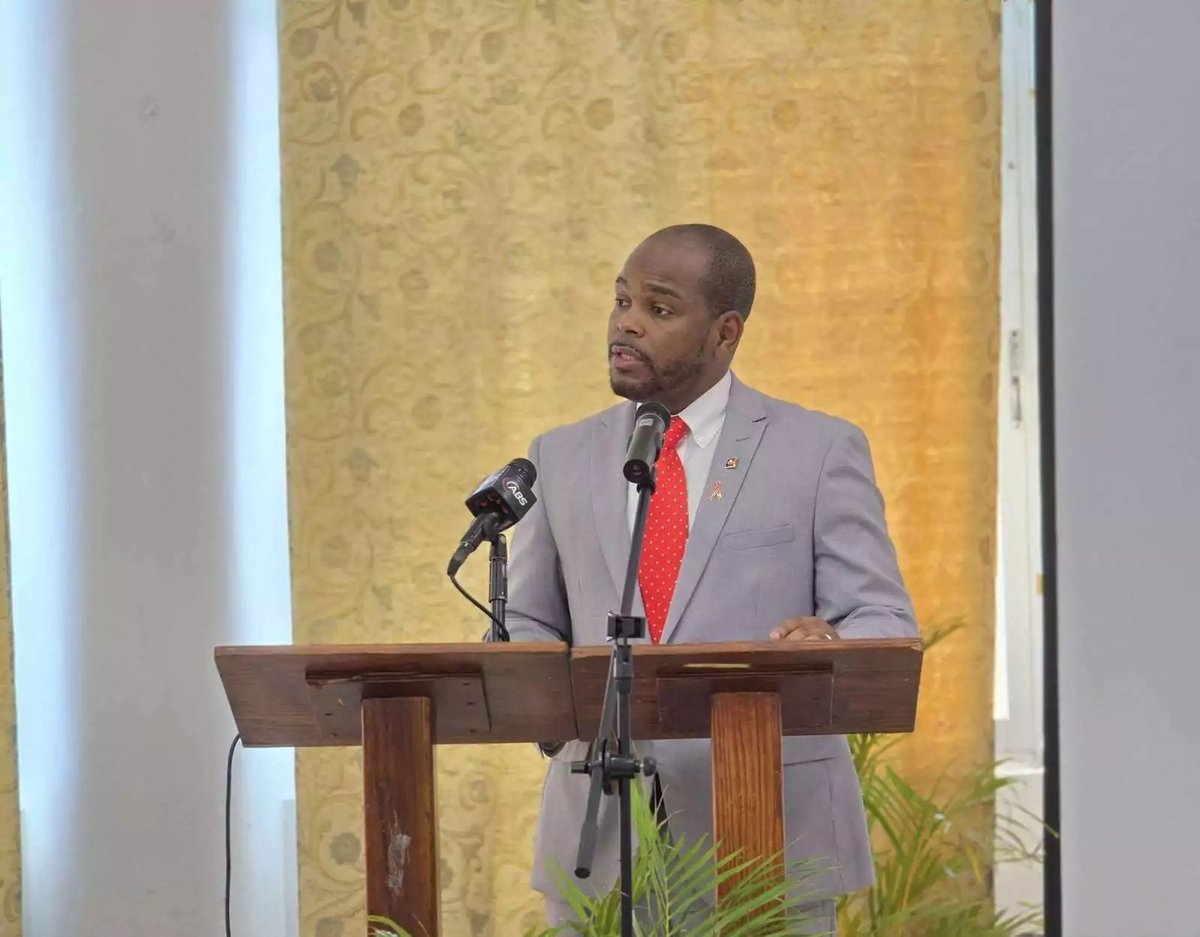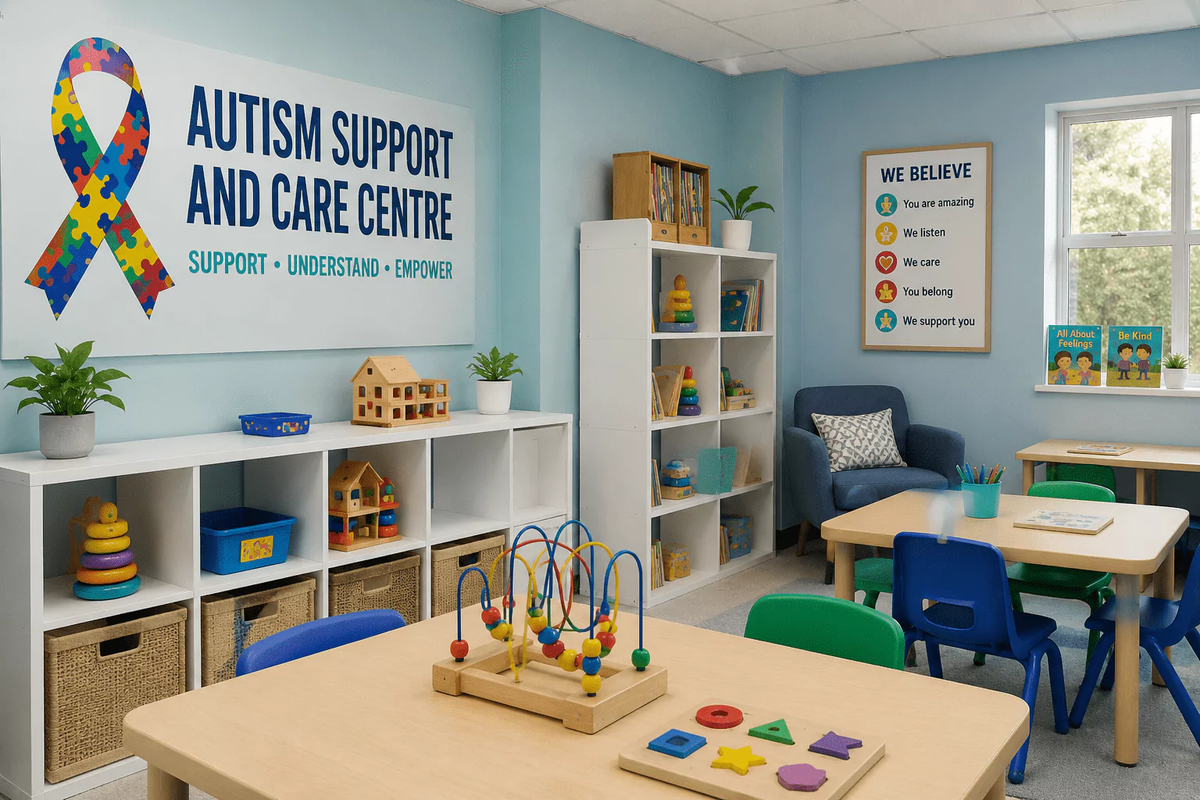
Health Minister Michael Joseph has announced that the government is moving urgently to establish a Cognitive Behaviour Centre dedicated to supporting children with autism spectrum disorder and their families — a push he says was driven by emotional encounters with parents struggling under the weight of daily caregiving.
According to Antigua.news, Joseph made the disclosure during an appearance on Point Sunday, revealing that interactions with families during the recent election campaign in Rural West opened his eyes to the scale of the challenge many households face. He said he met numerous parents who were unable to hold down employment because the demands of caring for their autistic children required them to remain at home full-time.
"It's a significant burden on the family," Joseph said.
The minister said his concern deepened further when data presented at an autism awareness event revealed that one in every 31 children is diagnosed with autism spectrum disorder — a statistic he described as startling.
"That for me was like a wow moment," he stated.
Joseph recounted emotional testimonies shared by parents detailing their daily hardships and their deep anxieties about who would care for their children in the future. He recalled one particularly affecting moment during his outreach.
"One lady started to cry and said, 'We need more support,'" he recalled.
In response, the government is now negotiating to bring experienced specialists back to Antigua and Barbuda, while also seeking to recruit occupational therapists and speech pathologists to support the centre's development. Joseph added that a university in Atlanta specialising in autism spectrum disorder has already expressed interest in collaborating with Antigua and Barbuda on the initiative.
The minister emphasised that effective autism support must extend well beyond early childhood intervention and address long-term integration into society — a point he framed around the concerns of ageing parents.
"Autistic children become autistic adults," Joseph said, underscoring the fears many families carry about the future care of their children once they are no longer able to provide it themselves.