Dear Editor,
The time has come for a serious and uncomfortable conversation within the United Progressive Party — one that many supporters have long whispered about but are now prepared to voice openly. According to Antigua News Room, which published the following letter, the writer argues that following what can only be described as a crushing and decisive electoral defeat, the question is no longer what went wrong, but who is willing to take responsibility.
Leadership, the writer contends, is not only about standing firm in moments of strength. It is also about knowing when to step aside in the interest of renewal, growth, and survival.
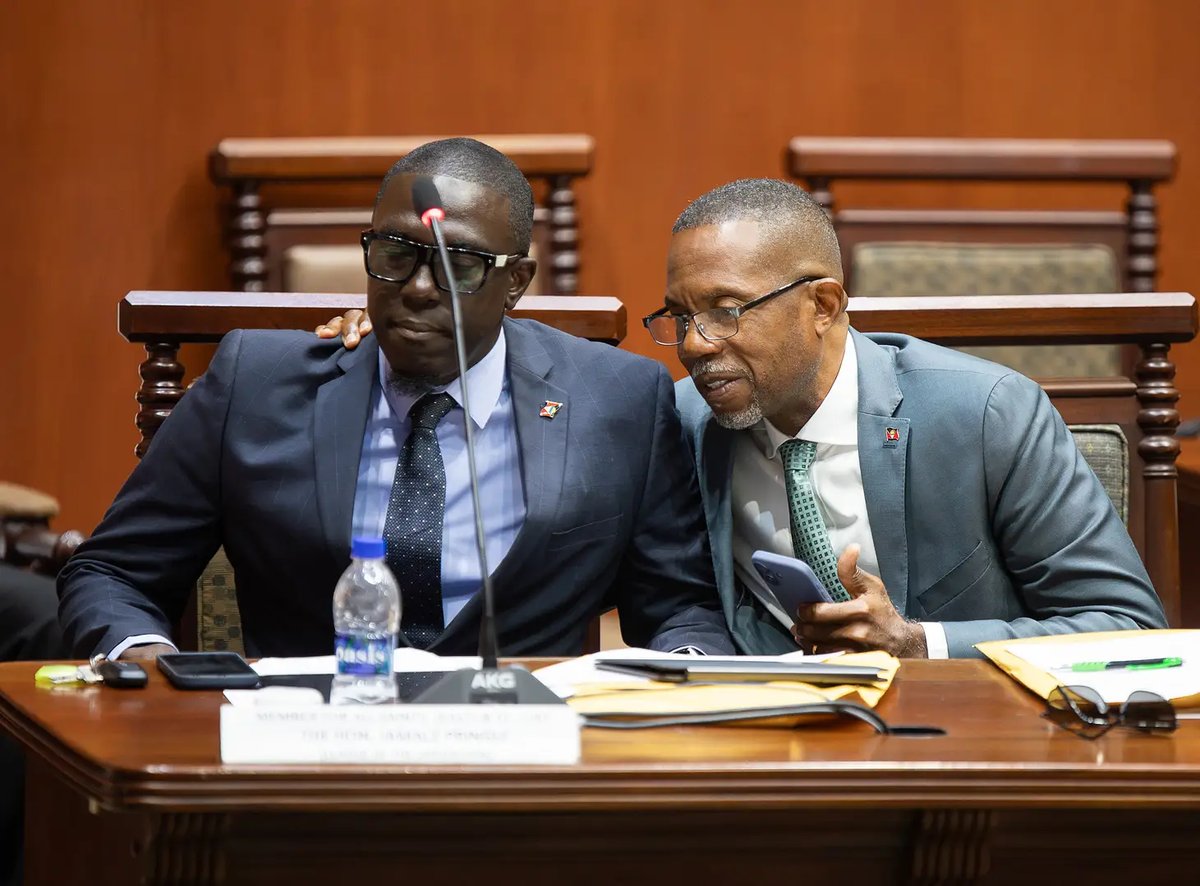
Jamale Pringle has served the party, the letter argues, but his continued leadership has become a limitation rather than a catalyst for progress. The electorate has spoken decisively, and the results suggest not merely a rejection of policies, but a broader lack of confidence in the direction and leadership of the party itself. Refusing to acknowledge this reality, the writer warns, risks further alienating supporters and condemning the UPP to prolonged irrelevance.
This moment calls for boldness — not stubbornness.
If the UPP is to have any future, the letter argues, it must embrace genuine transformation, not cosmetic change. And that transformation, the writer suggests, may not be possible within the existing structure. It may instead require something far more radical: the formation of a new political movement built from the ground up, with fresh energy, new ideas, and leadership that inspires confidence across generations.
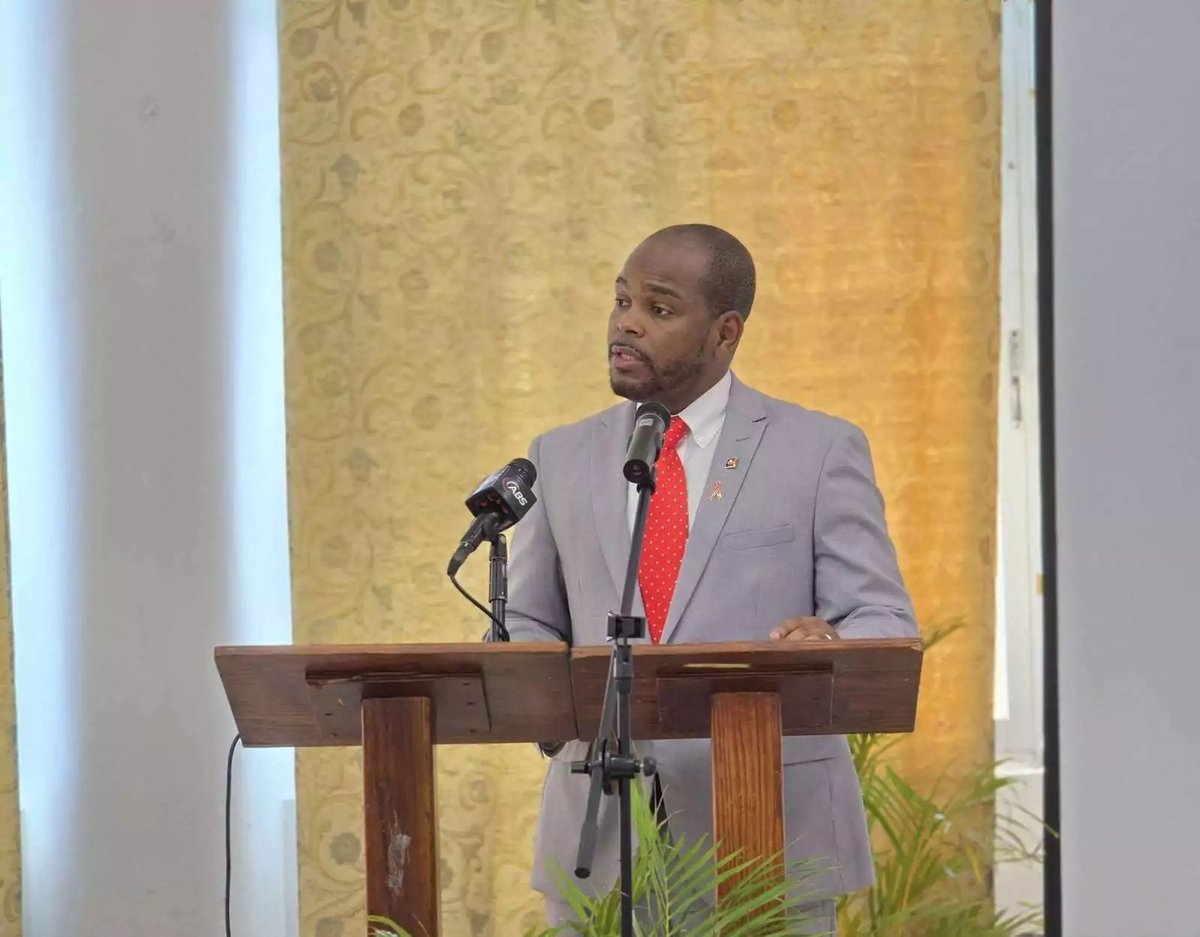
That is where Trevor Walker enters the conversation.
Walker, the writer argues, has consistently demonstrated independence, courage, and a willingness to challenge the status quo. He is not without critics, but he possesses what the opposition desperately needs right now — political presence, conviction, and the ability to connect with people beyond party lines. He represents, in the writer's view, a break from the stagnation that has plagued the current opposition.
The letter envisions a new political party — one unburdened by internal divisions, outdated strategies, or personalities that have failed to evolve. A party driven by young, dynamic individuals who reflect the realities of modern Antigua and Barbuda. A movement rooted in accountability, innovation, and genuine representation of the people.
Such a party, the writer argues, could energize disengaged voters, attract independent thinkers, and rebuild trust where it has been lost. But this cannot happen if the same faces remain at the helm, expecting different results.
Leadership renewal is not betrayal — it is responsibility.
The longer the UPP delays meaningful change, the writer concludes, the more it risks becoming politically obsolete. The electorate has already sent a clear message. The real question now is whether anyone is listening.
If not, then perhaps the future of opposition politics in Antigua and Barbuda lies not in reforming the old, but in building something entirely new.