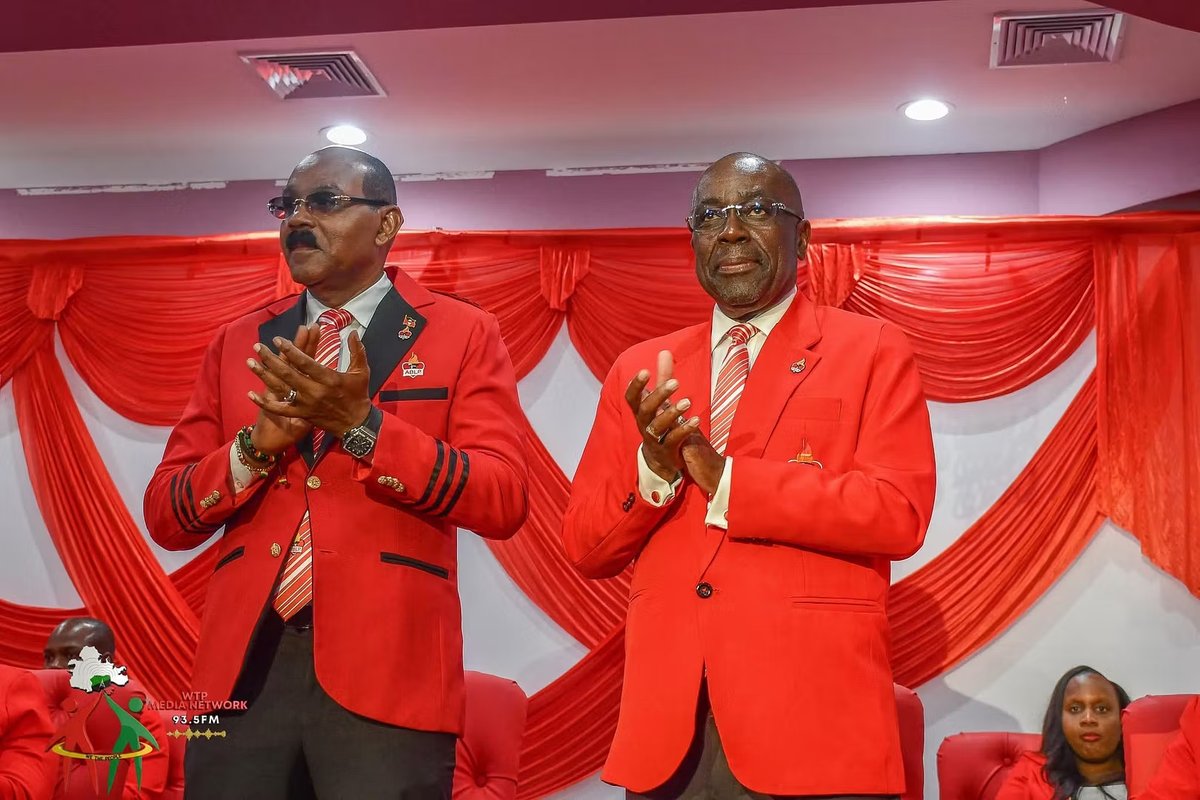
E. P. Chet Greene, chairman of the Antigua and Barbuda Labour Party, says the party's sweeping general election victory was driven by public confidence in its leadership, governance record, and ability to deliver on promises made to voters.
According to Antigua News Room, Greene made the remarks Saturday on the Browne and Browne Show, arguing that voters deliberately rejected what he described as negativity from the opposition and instead chose stability and proven governance.
Greene said the April 30 General Election result reflected both "an informed electorate" and "an enlightened electorate" — one that chose to keep the country on what he called a positive path. He said voters clearly recognised the difference between a government with a tangible record of delivery and an opposition that failed, in his view, to present a convincing alternative.
Pointing to the ABLP's fulfilment of manifesto commitments since 2023, Greene said the party had been "checking the boxes along the way" and keeping development at the centre of governance. He described the ability to honour promises as the "hallmark" of successive Labour administrations.
In his criticism of the opposition United Progressive Party, Greene said elections were "serious business" and suggested voters were unpersuaded by what he characterised as political gimmicks and reliance on artificial intelligence-generated campaign material. He contrasted that approach with Prime Minister Gaston Browne's administration's performance record.
Greene also argued that trust was a decisive factor in the outcome. Using an analogy of choosing between two drivers, he said voters opted for the team they believed could best guide the country forward.
"There was confidence, competence," Greene said, defending both the government's track record and its parliamentary performance.
The ABLP won 15 of the 17 seats contested in Antigua, securing a fourth consecutive term in office. Greene said the result was "no coincidence" and maintained that pre-election polling had shown all seats were competitive.
He added that the scale of the victory demonstrated the depth of the party's support, even in constituencies traditionally regarded as opposition strongholds.