Dear Editor,
The civil service is intended to function as a pillar of fairness, professionalism, and impartiality within any nation. It is the machinery that ensures continuity in governance, delivers public services, and upholds the rule of law. According to Antigua.news, an anonymous correspondent has raised serious concerns about how this standard is being met locally.
When bias and discriminatory behaviour infiltrate the system, the consequences can be far-reaching — not only for individuals directly affected, but for public trust as a whole. The letter writer identifies a growing concern about the manner in which complaints are handled and reports are written within certain areas of the civil service.
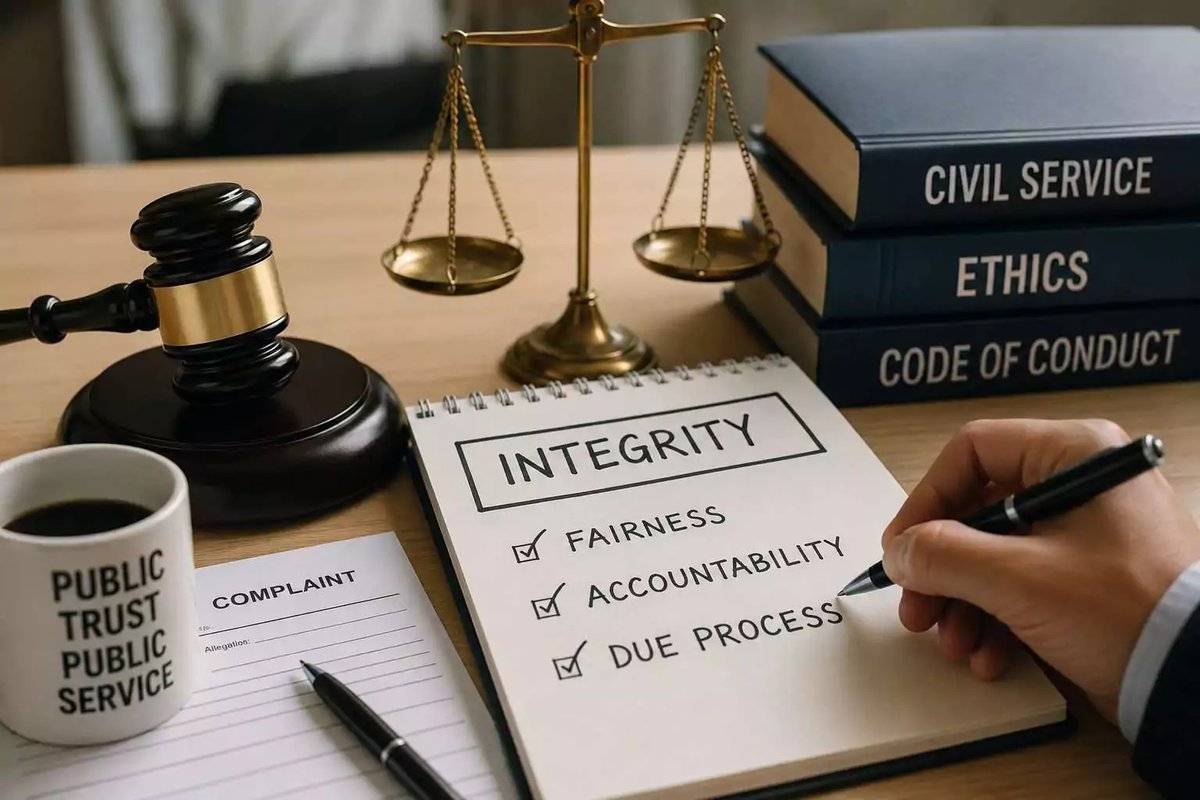
Allegations, whether formal or informal, carry significant weight. They can influence careers, damage reputations, and create hostile working environments. For this reason, any complaint brought forward must be treated with the highest level of seriousness, professionalism, and, most importantly, fairness.
A troubling issue arises when reports are compiled or complaints are made without proper investigation or fact-checking. In some cases, assumptions, personal biases, or workplace conflicts may influence the narrative presented. When this happens, the process becomes compromised. An unverified or poorly investigated complaint can unjustly tarnish an individual's credibility and lead to disciplinary actions that are not rooted in truth.
Equally concerning, the letter argues, is the presence of discriminatory behaviour — whether subtle or overt — in the handling of such matters. Bias based on personal relationships, status, gender, or other factors has no place in a professional environment, particularly within the civil service, where decisions should be guided strictly by evidence and established procedures.
The principle of natural justice must be upheld at all times. This includes giving individuals the opportunity to respond to allegations, ensuring that investigations are conducted impartially, and basing conclusions solely on verified facts. Without these safeguards, the system risks becoming a tool for victimisation rather than a mechanism for accountability.
Those in positions of authority also carry a significant responsibility when documenting incidents or addressing complaints. Reports should be objective, clear, and supported by evidence. Personal opinions or unsubstantiated claims should never form the basis of official documentation. The integrity of the process depends on the integrity of those who manage it.
For the civil service to maintain credibility, the letter calls for a renewed commitment to transparency, fairness, and accountability. Training in ethical conduct, proper investigative procedures, and unconscious bias should be prioritised. Additionally, the writer argues there should be clear consequences for individuals who deliberately misuse the system to make false or misleading complaints.
The goal, the letter emphasises, is not to discourage reporting, but to ensure that it is done responsibly. A fair and just civil service protects both the complainant and the accused, ensuring that truth prevails over assumption and that justice is not only done but seen to be done.
Public confidence in the civil service is built on trust — trust that can only be sustained when systems are fair, processes are transparent, and every individual is treated with dignity and respect. Only then, the writer concludes, can the civil service truly fulfil its mandate as a protector of the public interest and a model of integrity.
Regards, Anonymous