For years, autism has widely been considered a condition identified in childhood. According to Antigua Observer, however, a local specialist is challenging that assumption, warning that thousands of adults may be living with the condition without ever having received a formal diagnosis.
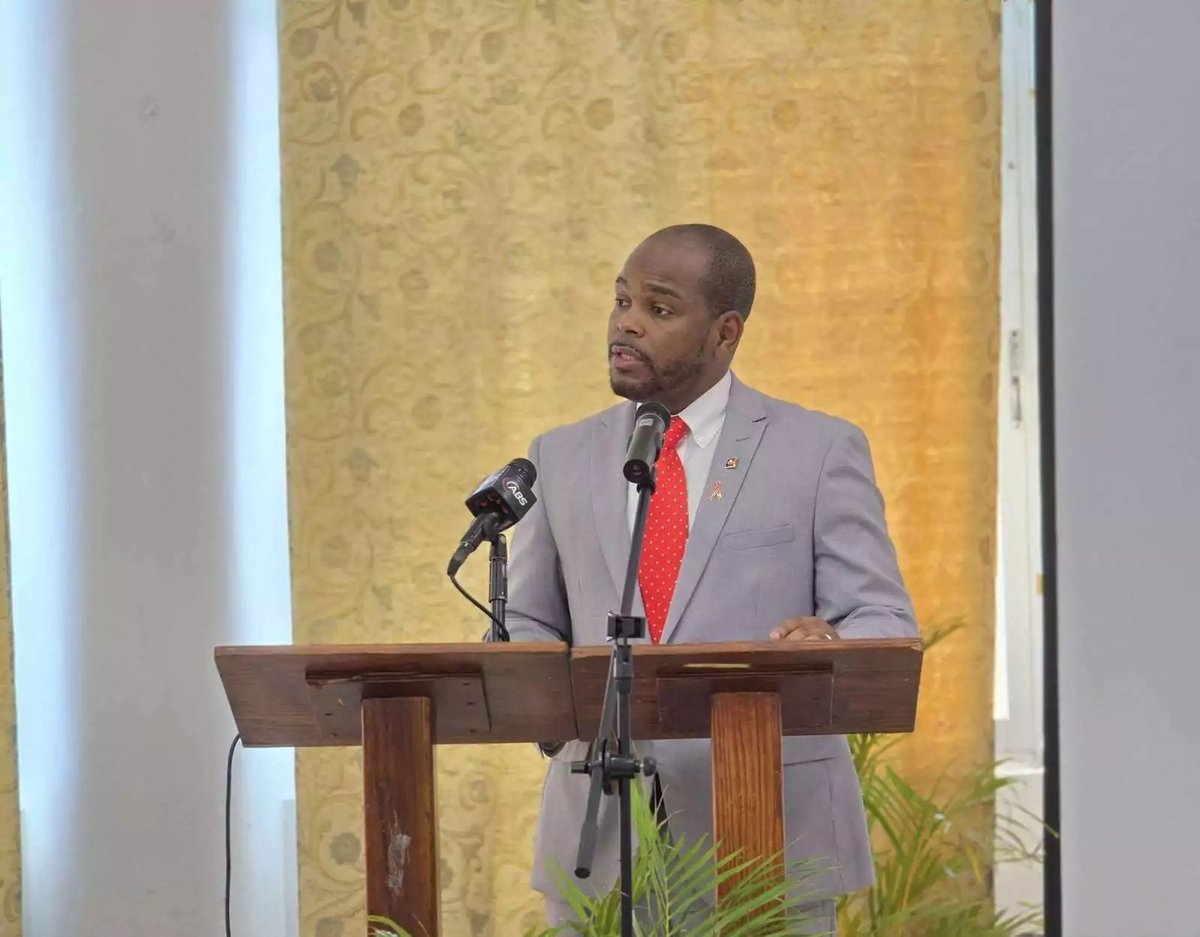
Dr. Shivon Belle-Jarvis, speaking with Observer Media as part of the ongoing series Autism and Me — a dedicated exploration of autism awareness — shed light on the realities facing adults who reach maturity without a diagnosis, and what pathways may be available to them.
The series, produced by Antigua Observer, continues to examine the many dimensions of autism as experienced by individuals in Antigua and Barbuda, bringing expert perspectives to a topic that affects a significant portion of the population yet often receives limited public attention.
Dr. Belle-Jarvis's insights form part four of the Autism and Me series, as reported by Antigua Observer, underscoring a growing recognition within the medical and mental health communities that late diagnosis is not an exception — it may be far more common than previously understood.
For many adults, the absence of a diagnosis can mean years of navigating social, professional, and personal challenges without the support or understanding that a formal identification of autism can provide. The conversation with Dr. Belle-Jarvis points to both the consequences of delayed diagnosis and the steps that can follow once a diagnosis is finally made.