"The International Day of Multilateralism and Diplomacy for Peace highlights a fundamental truth: no country can solve today's challenges alone." — United Nations Secretary-General António Guterres.
According to Antigua News Room, the post-World War II international order is under serious threat as the world stands at a critical juncture. Major conflicts — from Russia's war of aggression against Ukraine to wars in the Middle East, Sudan, and beyond — are placing the principles of the United Nations Charter under direct assault.
The international community is experiencing war fatigue. Consumers are bearing the economic burden through rising grocery bills and fuel prices, while a global recession looms. Disturbingly, a select number of connected groups are reportedly benefiting economically from these ongoing conflicts.
The UN Charter calls on countries with disputes that could "endanger the maintenance of international peace and security" to first seek resolution through peaceful means — including negotiation, mediation, conciliation, arbitration, and judicial settlement. The growing departure from this framework lends greater urgency to this year's observation of the International Day of Multilateralism and Diplomacy for Peace, marked annually on April 24.
This year's theme — "The UN Charter at a Crossroads: Renewing Commitment to Universal Values, Multilateralism and Diplomacy in an Era of Global Uncertainty" — centres on strengthening international partnerships, upholding international law, and fostering dialogue. The focus comes at a time when civilians are being targeted, schools and hospitals destroyed, and international humanitarian law violated with near-total impunity.
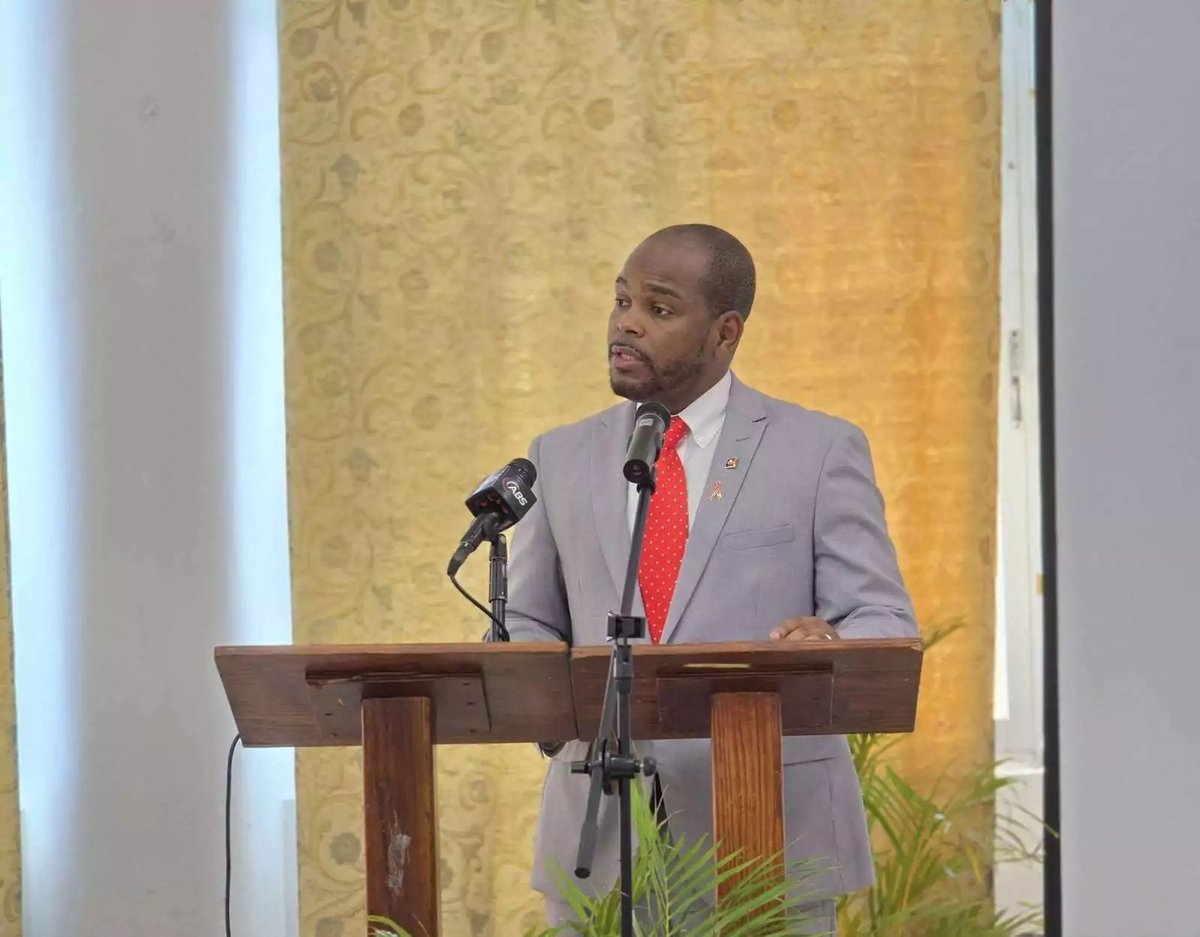
As reported by Antigua News Room, social commentator Wayne Campbell argues that multilateralism has not failed because it is outdated. Rather, what appears to be failure is rooted in the fact that its core principles are simply not being upheld or enforced. International law, Campbell contends, must be respected and applied consistently.
The United Nations remains the only universal framework with the legitimacy to represent global interests, giving every state a voice. Yet, as Campbell notes, legitimacy without compliance is insufficient.
Multilateralism is grounded in the principles of consultation, inclusion, and solidarity. Though the term itself only entered common use after World War II, the practice has been a defining feature of 20th-century international relations. The establishment of the League of Nations in 1920, through the Treaty of Versailles, marked a major turning point — institutionalising multilateralism as a pillar of global governance. The United Nations followed in 1945, born from the devastation of the Second World War, with a central mission: the maintenance of international peace and security.
Preventive diplomacy, Campbell argues, remains a vital tool in supporting the UN's efforts toward the peaceful settlement of disputes.
On this International Day of Multilateralism and Diplomacy for Peace, Campbell issues an urgent appeal for nations to step back from aggression and unilateralism and return to the negotiating table in good faith. He calls for a collective commitment to human rights and the pursuit of peace and security.
In closing, Campbell invokes Nelson Mandela: "Peace is not just the absence of conflict; peace is the creation of an environment where all can flourish regardless of race, color, creed, religion, gender, class, caste or any other social markers of difference."
Wayne Campbell is an educator and social commentator with an interest in development policies as they affect culture and gender issues. He can be reached at [email protected].