The Antigua and Barbuda government has placed income protection and rising wages at the centre of its economic platform, reaffirming its commitment to maintaining no personal income tax while pursuing steady increases in earnings for workers across the country.
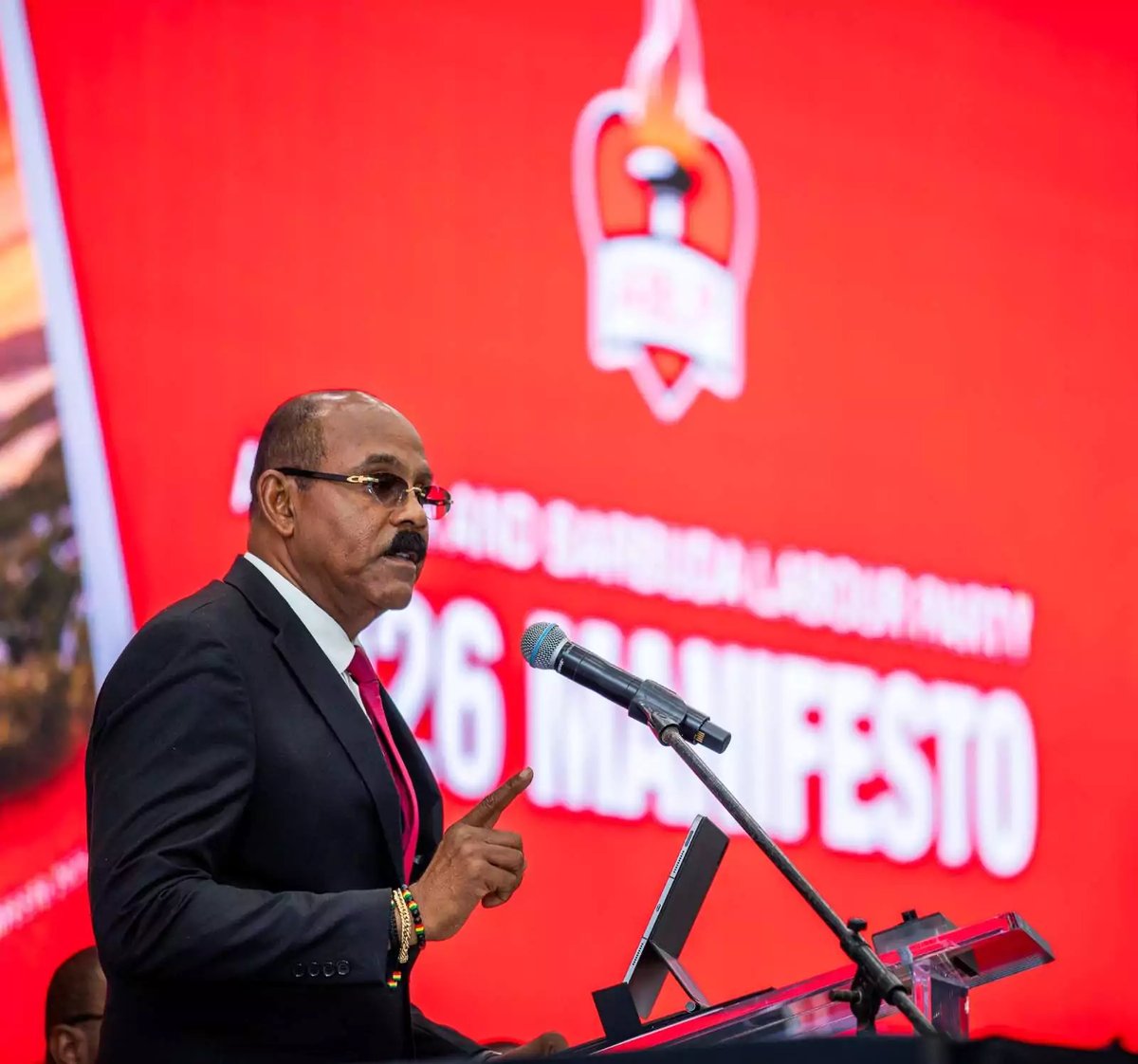
According to Antigua.news, Prime Minister Gaston Browne outlined the policy during the Antigua and Barbuda Labour Party manifesto launch, framing it as both an economic strategy and a social commitment designed to deliver tangible financial relief to households amid persistent global inflation.
"We will continue to ensure that growth is not something people only hear about, but something they feel in their pay packets… and at the kitchen table," the Prime Minister declared.
At the heart of the plan is the continuation of a tax structure that foregoes direct personal income tax — a longstanding feature of the country's fiscal model. Rather than taxing individual earnings, the government relies on alternative revenue streams, including consumption-based taxes and non-tax income sources, to fund public services. The Prime Minister argued this approach shields citizens from additional financial burdens while still enabling investment in healthcare, education, and infrastructure.
Beyond tax relief, the administration is advancing a clear wage agenda. The minimum wage, recently raised to $11.50 per hour, is set to increase further to $13 per hour as part of a broader push toward what officials describe as a "livable wage" economy.
"We are moving a serious step towards replacing the concept of a minimum wage with a livable wage," Browne said, stressing that economic progress must translate into meaningful improvements in quality of life.
Workers in the tourism sector — particularly hotel employees — are expected to benefit from a specialised wage framework. Given tourism's role as the country's primary economic driver, the administration views this as a critical step in ensuring frontline industry workers share in its success.
The Prime Minister was direct about the government's intentions. "We're not building an economy for numbers… we're building an economy for all people," he said, underscoring a focus on equity and opportunity.
The wage and tax policies connect to a broader employment strategy aimed at expanding job opportunities across tourism, construction, agriculture, and the creative industries.
Browne also acknowledged the pressures posed by global economic conditions, noting that small island states like Antigua and Barbuda remain exposed to external shocks, particularly imported inflation. He argued that prudent fiscal management, combined with targeted wage and tax policies, is essential to protecting citizens from those pressures.
"We will use prudent fiscal management to reduce the impact of imported inflation… ensuring that no one is left to bear the global burdens alone," he said.
The government maintains that its current economic model — anchored by strong revenue streams, controlled spending, and strategic investments — has established the stability necessary to sustain both tax relief and wage growth going forward.