Law enforcement authorities in Trinidad and Tobago have launched a formal investigation after 56 bodies — the majority of them infants — were found abandoned at a cemetery in the town of Cumuto, approximately 40 kilometres from the capital, Port of Spain. According to Antigua News Room, the Trinidad and Tobago Police Service (TTPS) announced the disturbing discovery in a statement on Saturday.
Among the remains recovered were 50 infant bodies, four adult males, and two adult females. At least one of the adult women and one adult male showed signs of having undergone a post-mortem examination, and all the adults were found with identification tags consistent with those commonly used in morgue settings.
"Preliminary indications suggest that this may be a case involving the unlawful disposal of unclaimed corpses," the police service said. "Further forensic analysis is underway to determine the origin of the remains and any associated breaches of law or procedure."
Cumuto police secured the scene following the discovery, and specialised units — including homicide experts — have since been deployed to conduct a forensic examination of the site.
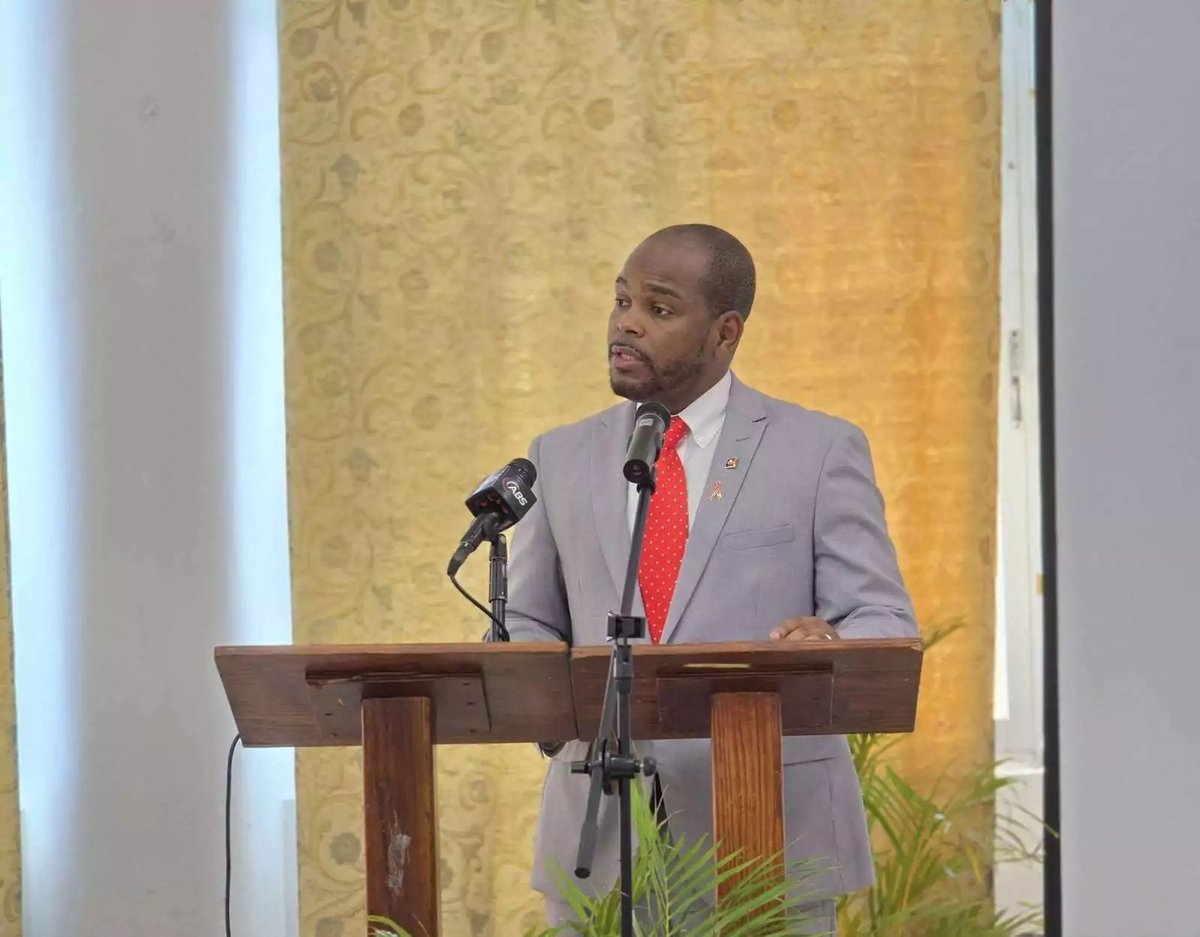
Police Commissioner Allister Guevarro addressed the public in Saturday's statement, acknowledging the weight of the find. "The nature of this discovery is deeply troubling, and we understand the emotional impact it will have on families and the wider national community," he said. "The TTPS is approaching this matter with urgency, sensitivity, and unwavering commitment to uncovering the truth. Every cadaver must be handled with dignity and lawful care. Any individual or institution found to have violated that duty will be held fully accountable."
The improper disposal of human remains constitutes a criminal offence under Trinidad and Tobago law.
The discovery comes as the twin-island nation, located north of Venezuela, continues to grapple with rising levels of organised crime. In December 2024, the government declared a state of emergency to combat gang violence. Though initially set for 15 days, the emergency declaration has remained largely in force ever since. As recently as March, the country's House of Representatives voted to extend it by a further three months.
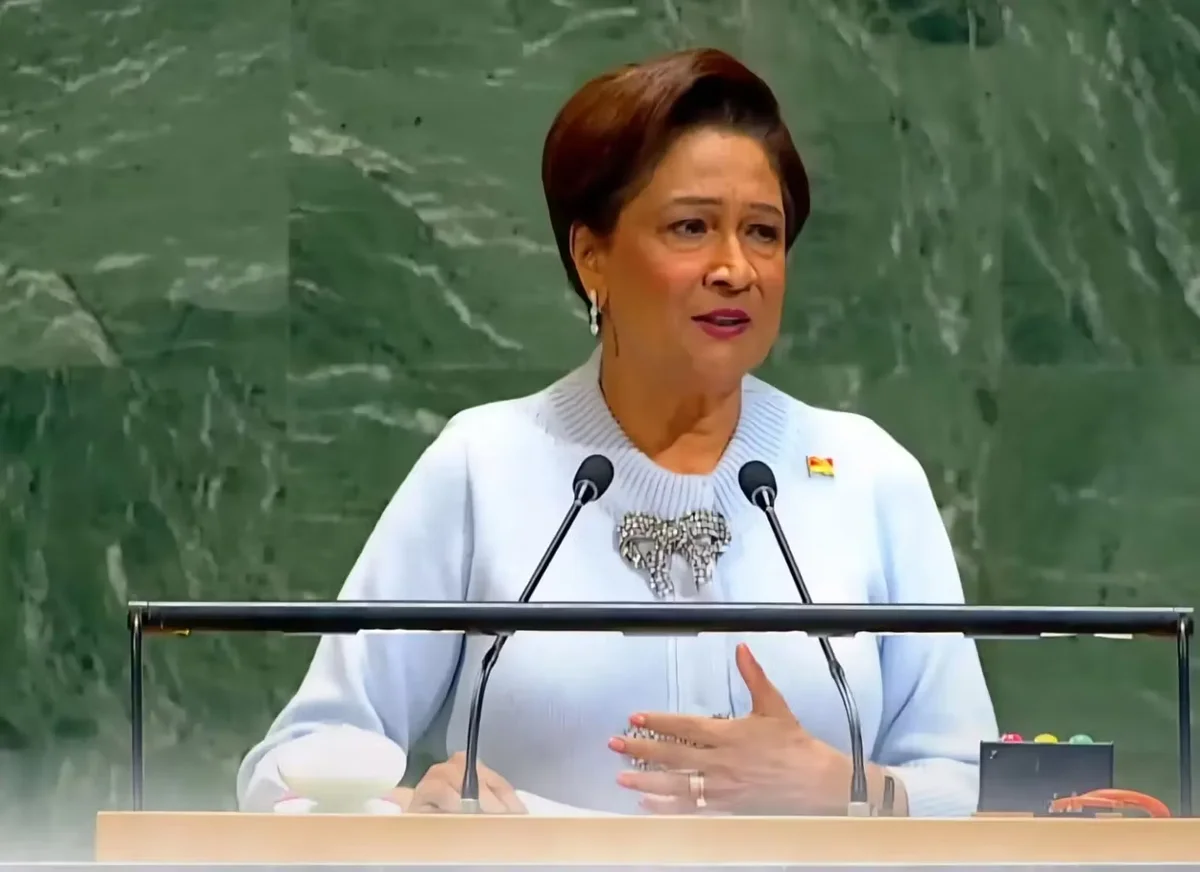
Prime Minister Kamla Persad-Bissessar stated at the time that 373 people had been detained under the emergency proclamation, which granted law enforcement expanded powers of arrest and entry into public and private premises. She pledged that her government would maintain a "zero-tolerance approach to crime and criminal gangs."
"If criminals want to terrorize law-abiding citizens and their families, I will do everything legally possible to terrorize criminals and those who aid and abet them," Persad-Bissessar said in a statement in March.
Trinidad and Tobago has recorded a sharp rise in homicide rates since the COVID-19 pandemic in 2020. That year, the country recorded approximately 20 homicides per 100,000 people. By 2024, that figure had climbed to a record high of 45.7 per 100,000. The rate has since declined, falling to approximately 27 per 100,000 in 2025.