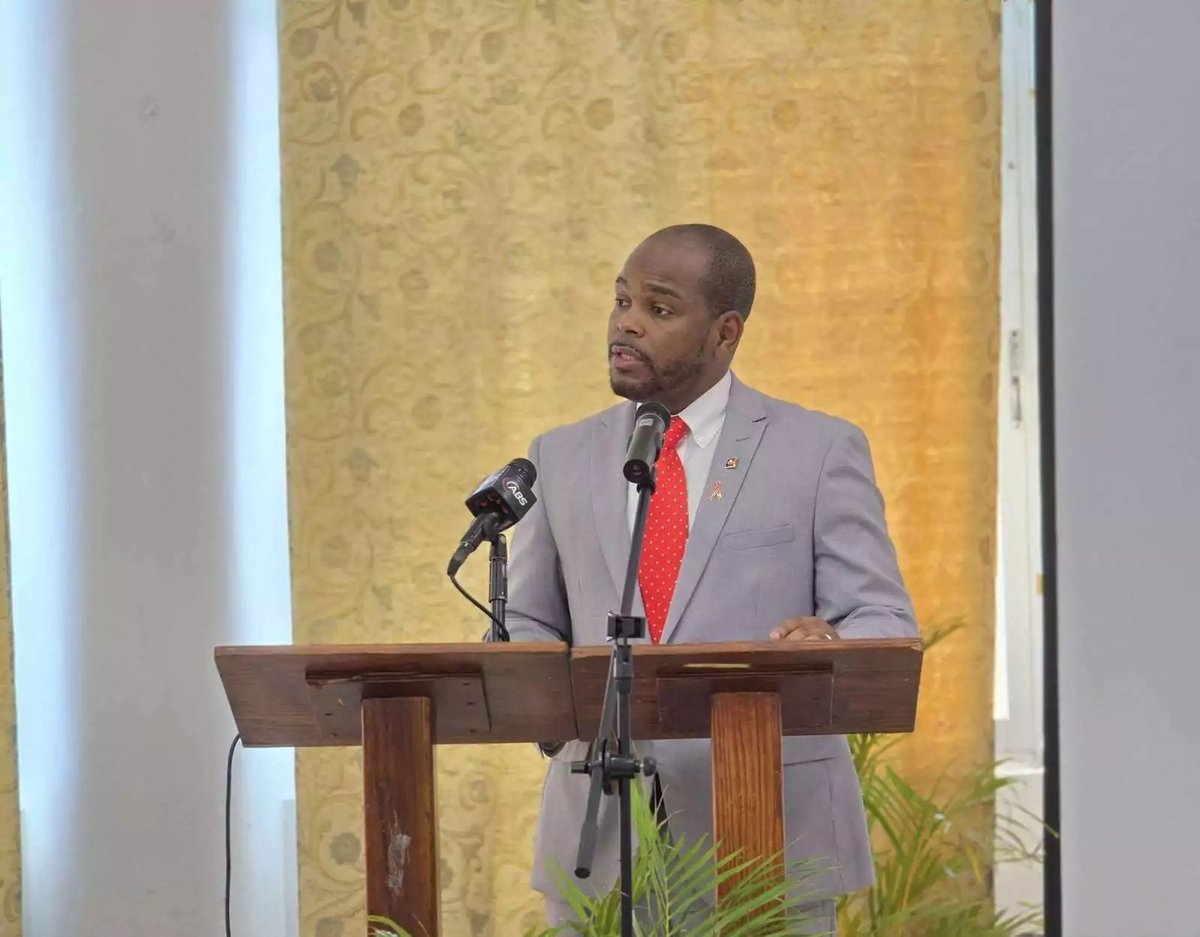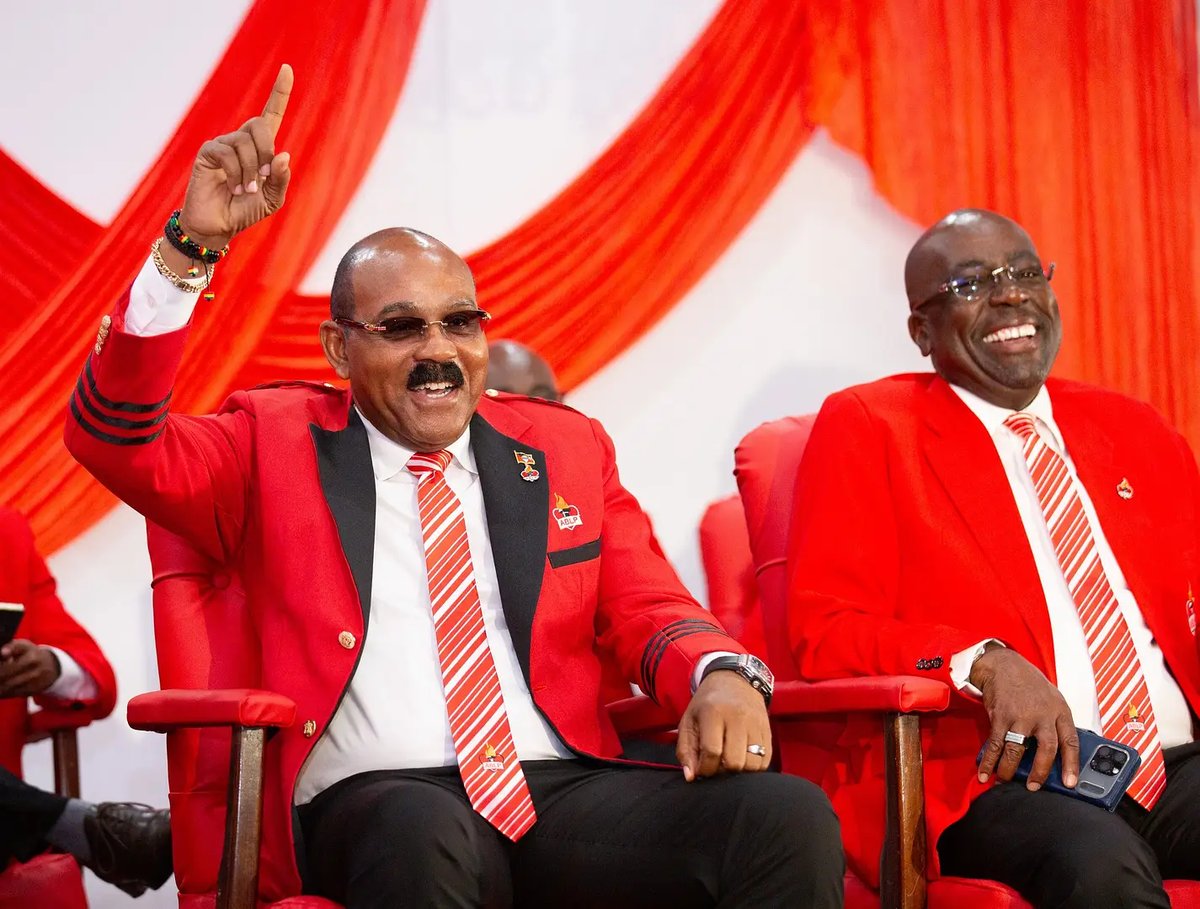
Prime Minister Gaston Browne is cautioning voters that campaign promises made by the United Progressive Party (UPP) could result in higher taxes, including a potential return of personal income tax ahead of the April 30 general election.
According to Antigua News Room, Browne made the remarks during an appearance on Pointe FM, where he challenged the opposition to clarify how it intends to fund its proposals — and whether doing so would require raising taxes.
"I observe that they have not said that they will not increase taxes. Notice they have remained silent on that issue," Browne said.
While acknowledging that the UPP has indicated it would not reintroduce personal income tax, Browne pointed to what he described as a similar pledge made by the party ahead of the 2004 general election — one that was later reversed once the party took office. "We saw that movie before," he said.
Browne said the tax, initially presented as a temporary measure, remained in place for nearly a decade. "At that time they said that it will only be for one year… it lasted for 10 years until we came to office and we repealed it," he said.
The prime minister also accused the opposition of putting forward a disjointed set of campaign pledges without a coherent plan to back them up. "They're just putting all these piecemeal promises out there," Browne said, adding that he was uncertain whether the party had released a comprehensive manifesto.
Browne dismissed the idea of entering what he called a "giveaway war" with the opposition, arguing that parties out of power face no real consequences for promises they cannot keep. "When you're in opposition… you can promise anything," he said.
By contrast, Browne said his administration has prioritised fiscal discipline throughout its time in office. "We believe in fiscal responsibility," he said, contending that the government has achieved a standard of financial management "never… seen in this country."
The remarks come as political parties across Antigua and Barbuda intensify their campaigning, with economic policy and cost-of-living concerns emerging as central issues in the lead-up to the April 30 vote.