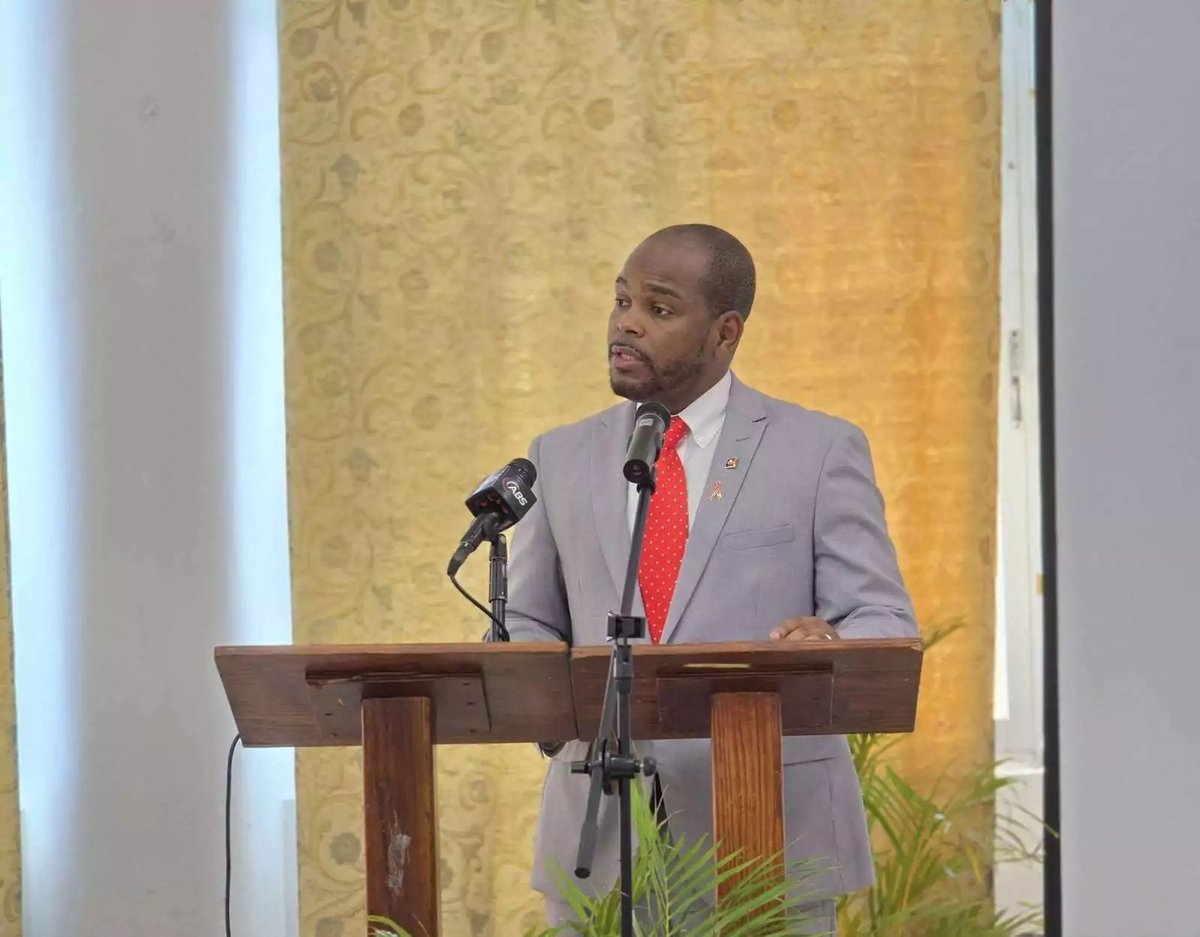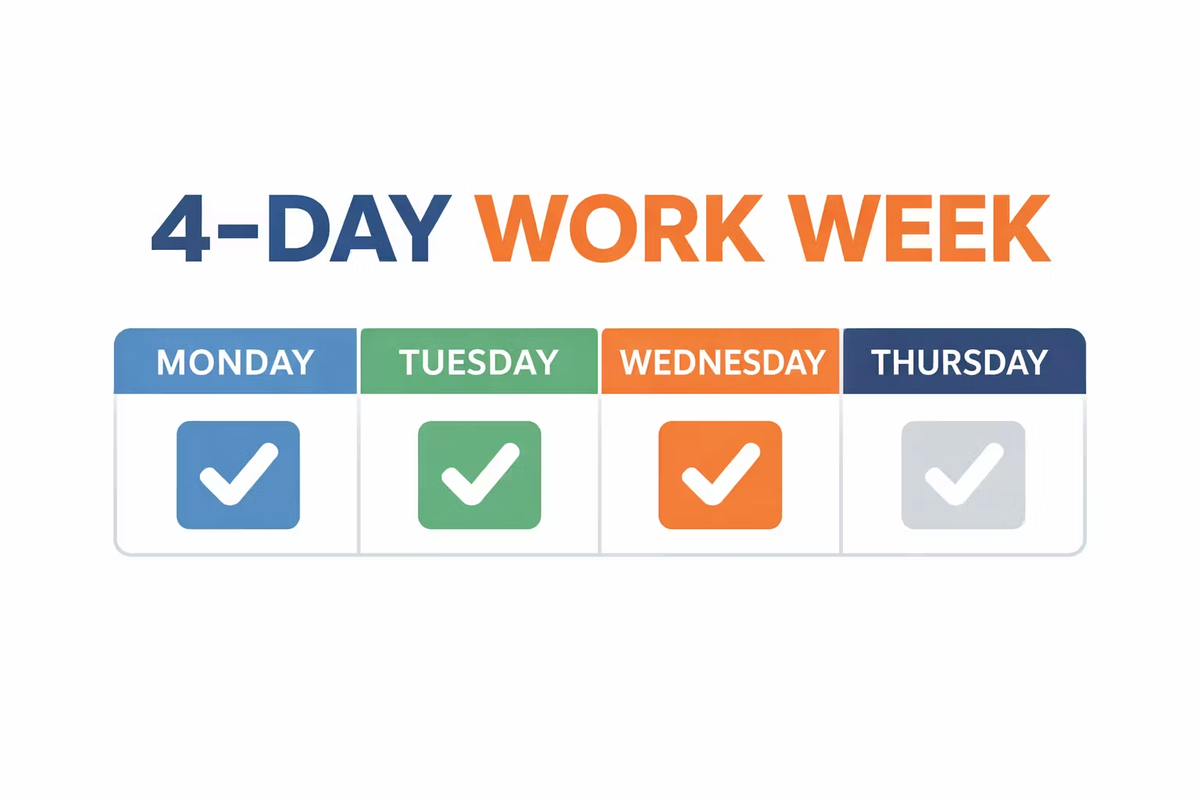
Prime Minister Gaston Browne has pushed back against the opposition United Progressive Party's proposal for a four-day work week, asserting that his administration was already considering the idea and warning that it cannot be implemented without careful planning.
According to Antigua News Room, Browne made the remarks during his weekly radio programme, arguing that the concept did not originate with the opposition and that his government had already been engaging stakeholders on how such a system could function in practice.
"The four-day workweek is our initiative. They didn't originate that," Browne said, adding that discussions had included options such as employees working four days in the office and one day remotely.
He contrasted that approach with what he described as the opposition's unstructured proposal, suggesting it lacked the technical groundwork required for nationwide implementation.
"You can't just do it willy-nilly," Browne said, questioning the practicality of rolling out a compressed work week across both the public and private sectors without proper consultation.
The prime minister's comments came amid broader criticism of opposition policies during the programme. Browne argued that some UPP proposals were designed to appeal to voters without clear implementation strategies.
"They don't have a plan," he said, accusing the opposition of attempting to "capture the imagination of the people" with ideas that had not been fully developed.
The UPP has promoted the four-day work week as part of its campaign platform ahead of the April 30 general election, framing it as a measure that could improve work-life balance for employees across the country.
Browne, however, said any such shift would require detailed analysis of its impact on productivity, public services, and key sectors of the economy. His administration, he indicated, would continue consultations before reaching any decision — signalling that while the concept remains under consideration, implementation would hinge on structured planning and national readiness.
The exchange highlights a growing policy divide between the two parties as the election campaign intensifies, with debates increasingly focused not only on competing ideas but on how those ideas would actually be carried out.