Prime Minister Gaston Browne has taken aim at the United Progressive Party (UPP), dismissing the opposition's campaign promises as unrealistic, recycled proposals designed to mislead voters rather than offer coherent policy direction.
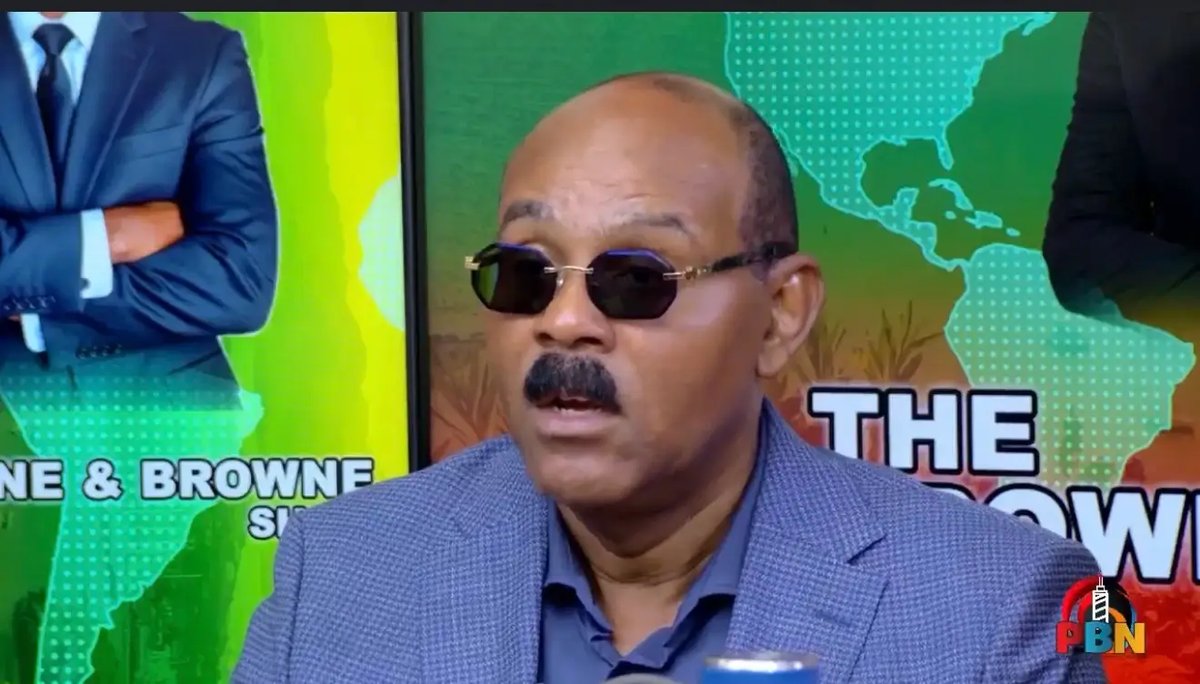
According to Antigua News Room, Browne made the remarks during an appearance on Pointe FM, where he accused the UPP of relying on "giveaway tactics" to appeal to voters without adequately considering the financial consequences of its proposals.
"They're not strategic. They are not coherent," Browne said, characterising the opposition's platform as an effort to "capture the imagination of the people" without sound fiscal grounding.
Browne directed particular criticism at a UPP proposal to eliminate all duties and taxes on motor vehicles, arguing the measure would strip the government of substantial revenue.
"If you take off all the duties and taxes, talk about $50-something million in giveaway," he said, suggesting the fiscal gap would be difficult to fill.
The prime minister added that the opposition subsequently scaled back the proposal to a 50% reduction after acknowledging its financial impact. He also noted that the government has already implemented comparable concessions. "In practice, we have been giving 50% duties on new vehicles. In some instances, it's 100%," Browne said, referencing existing benefits extended to taxi operators, teachers, nurses and police officers.
Browne argued that the UPP is repackaging government initiatives already in place and presenting them as fresh ideas. "They are actually promising something that is already in place," he said, accusing the opposition of attempting to "mamaguy the people."
The prime minister also ruled out engaging in what he described as a "giveaway war" with the opposition, pledging instead a measured and targeted approach. "We're not getting involved in their giveaway war. We'll be very responsive, we'll be very measured," he said, indicating his administration would concentrate on policies aimed at empowering workers and the broader population.
The exchange reflects the intensifying political climate ahead of the April 30 general election, with taxation, cost-of-living relief and economic policy emerging as central themes in the campaign.