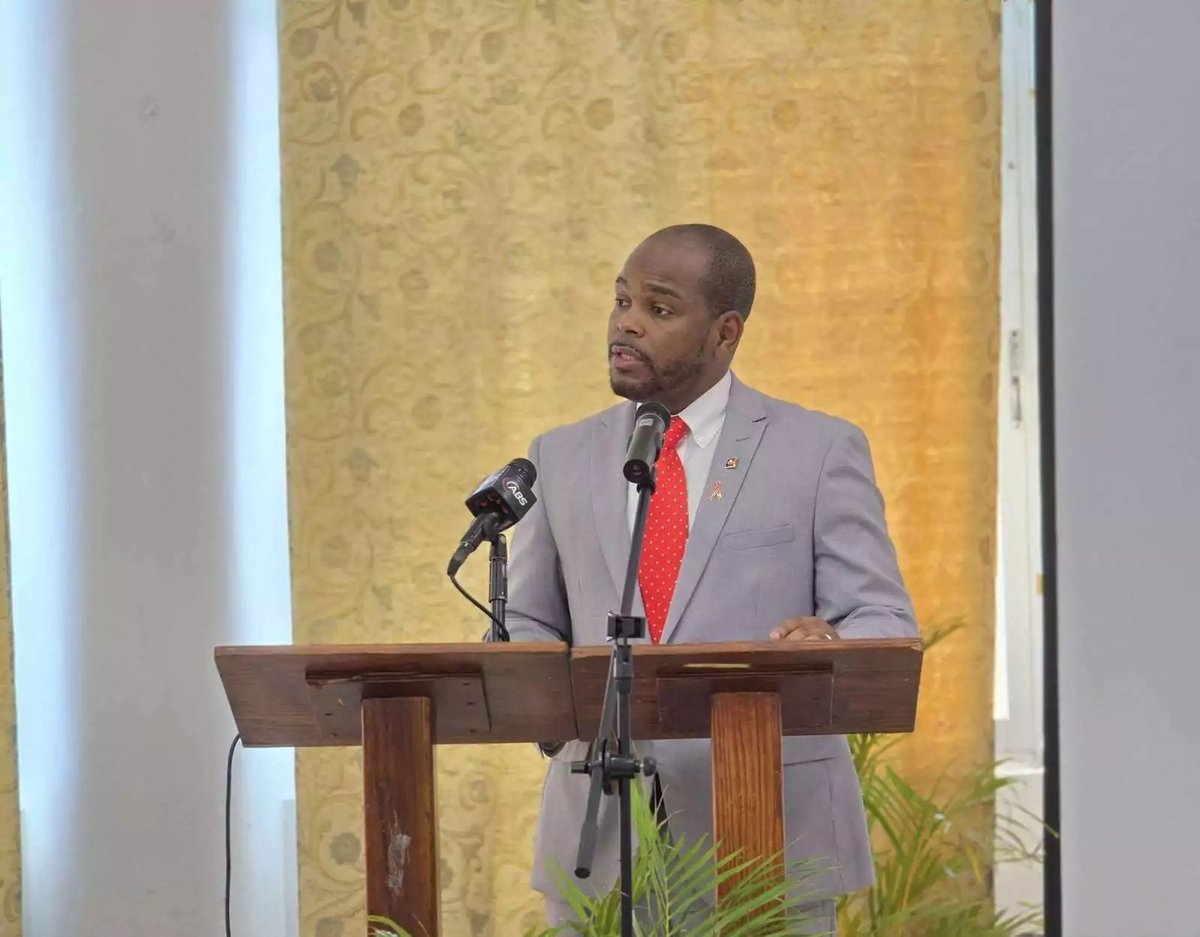
Antigua and Barbuda Labour Party candidate Michael Joseph has identified deteriorating roads and chronic flooding as the most pressing concerns facing residents of St. John's Rural West, outlining a range of infrastructure works and engineering solutions he intends to pursue. According to Antigua News Room, Joseph made the remarks during an appearance on ABS's Know Your Candidates programme this week.
Joseph singled out Golden Grove Extension and Cooks as two communities bearing the worst road conditions in the constituency. He attributed the problem in part to private developers who failed to deliver basic infrastructure — including roads, water supply, and electricity — to residents.
"I would say, without a doubt, the worst roads currently exist in the Golden Grove Extension area and the Cooks area," Joseph said.
He confirmed that government-supported works are now underway, with multiple contractors engaged to build out road networks in those communities. Due to persistently waterlogged conditions in parts of Golden Grove Extension, Joseph said the approach has shifted away from traditional asphalt toward more durable concrete construction.
"We have to ensure that we put in climate-resilient roads… so it cannot be the traditional asphalt roads," he said.
Joseph estimated that completing the road network in the affected areas could take between one and two years, given the scale of work and the demands of more resilient construction methods.
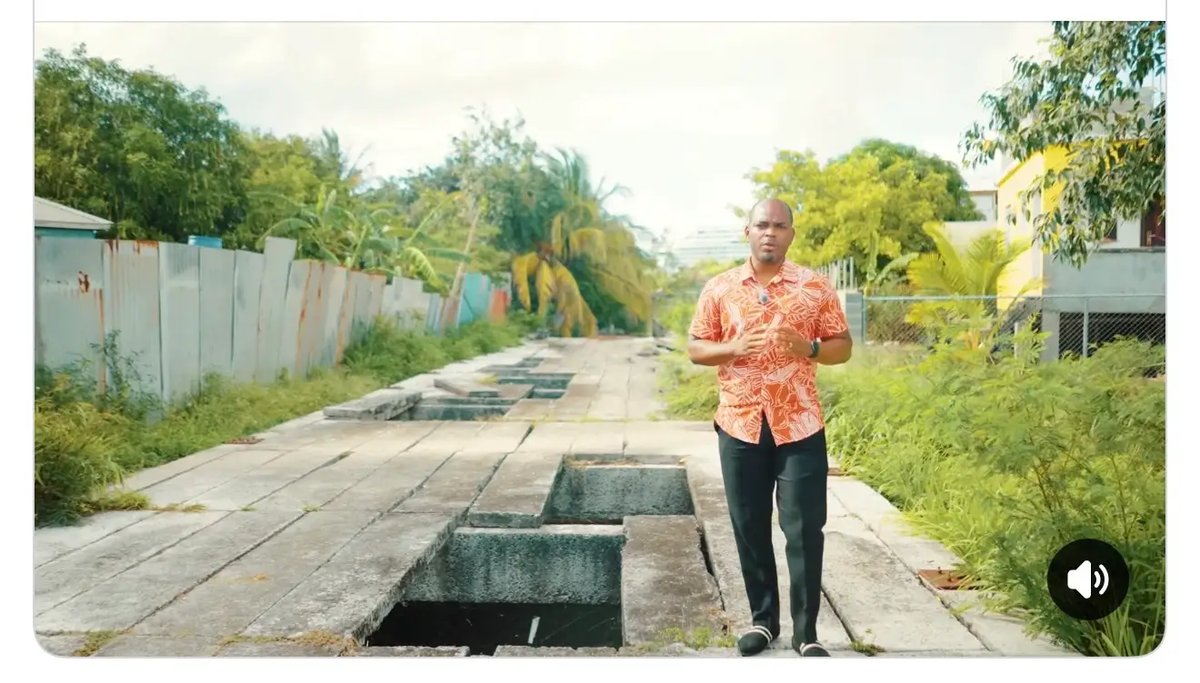
Beyond roads, Joseph addressed the long-running flooding problems tied to the "Big Gutter" along Federation Main Road. He described the drainage channel as a persistent challenge that has resisted repeated cleaning efforts.
Early interventions focused on debris removal, but subsequent assessments revealed a deeper structural problem. Joseph said engineers determined that the volume of water flowing through the system, compounded by rising sea levels, was overwhelming the infrastructure. A blocked outlet point was also identified as forcing water through a single channel, worsening the situation.
"What they determined was that the volume of water… as well as the rising sea levels," were key contributing factors, he said.
Engineering studies have since proposed several potential solutions, including the installation of industrial pumps to remove excess water or the construction of a retention pond to increase drainage capacity.
In the interim, work is ongoing to replace thousands of aging concrete slabs covering sections of the gutter, many of which sustained damage during earlier clean-up operations. Joseph said a local contractor has been hired to manufacture and install the replacements — a decision he framed as an opportunity to foster community investment in the project.
"I felt it was important to lobby for small contractors in the community… so there's a level of community ownership," he said.
Joseph cast the broader infrastructure push as a government obligation, particularly in areas where private development agreements have fallen short.
"As a government, we have a responsibility to make sure the standard of living of our people is high, even where developers don't deliver," he said.
St. John's Rural West is shaping up to be one of the more closely watched constituencies in the April 30 general election, with infrastructure and quality-of-life concerns emerging as defining issues on the campaign trail.