By Dr. Nand C. Bardouille
The Caribbean Community (CARICOM) is navigating one of the most turbulent periods in its history, according to Antigua News Room, as deepening regional tensions collide with a rapidly transforming international political landscape.
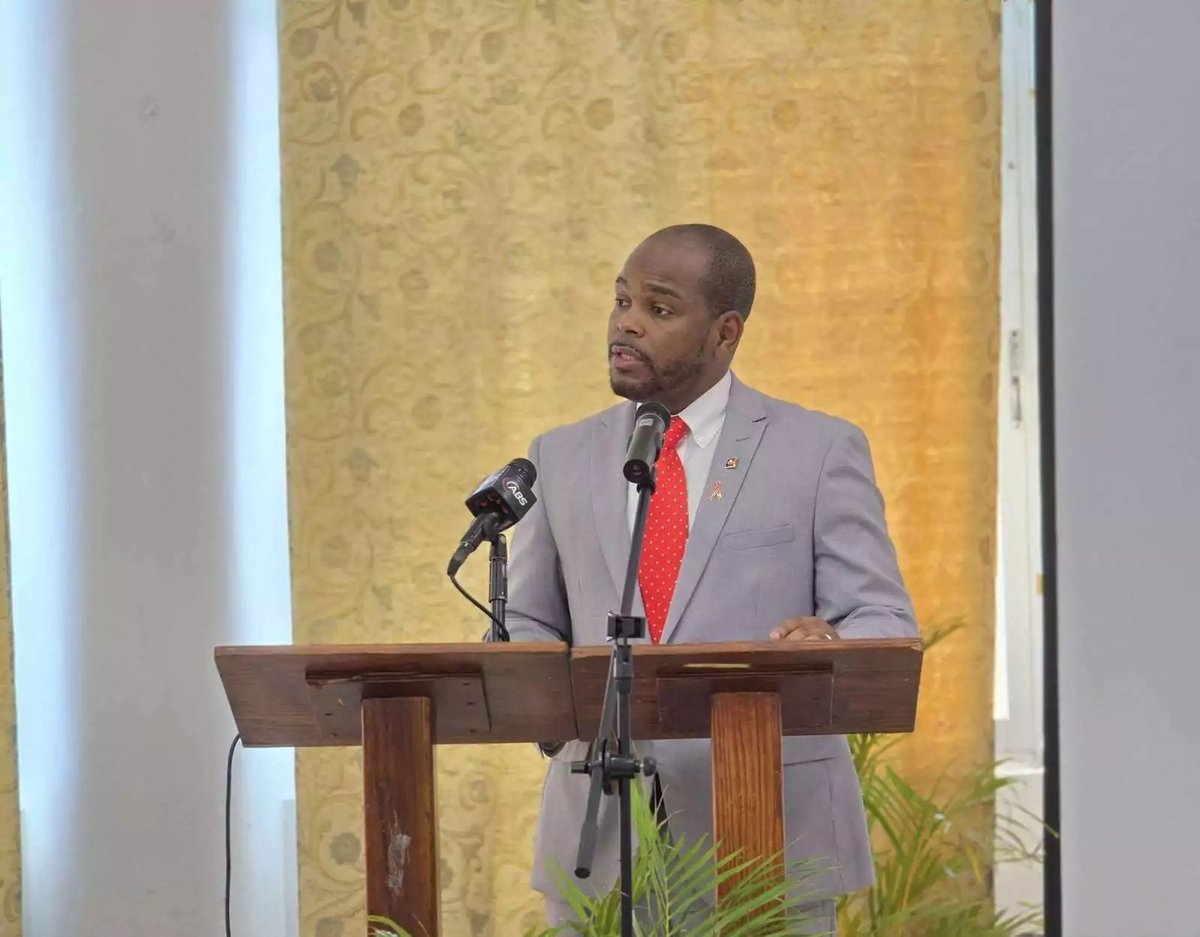
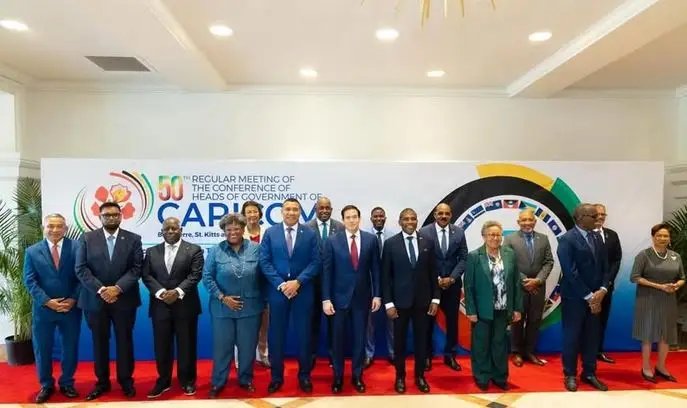
St. Kitts and Nevis assumed the chairmanship of the bloc at a particularly fraught moment — one marked by a discernible erosion of interactional norms and diplomatic coherence in the foreign policy sphere. Prime Minister Terrance Drew, who took up the rotating six-month chairmanship this past January, now leads the Conference of Heads of Government of CARICOM, which the bloc's constituent treaty designates as "the supreme Organ of the Community."
The weight of that responsibility is considerable. Drew is steering the region through emergent geopolitical pressures that have exposed and widened divisions among member states, making cohesive regional action increasingly difficult to achieve.
A Wide (Foreign Policy) Gap
At the centre of CARICOM's current diplomatic difficulties is what analysts have termed the "Trump Corollary" to the Monroe Doctrine. Duelling perspectives among member states on this high-stakes foreign policy development placed the bloc in a months-long diplomatic rut, as reported by Antigua News Room.
The fracture reflects broader anxieties about an international order undergoing seismic transformation — a shift comparable in scale only to the end of the Cold War, which itself dismantled bipolarity and gave rise to the now-faded unipolar moment.
Most CARICOM member states have greeted the Doctrine with suspicion and trepidation, standing firm on long-established regional foreign policy principles rooted in multilateralism and respect for international cooperation — values that small states regard as foundational to their security and sovereignty.
Others, however, have broken from that consensus. Trinidad and Tobago controversially aligned itself with Washington over the escalating U.S.-Israeli conflict with Iran — a confrontation currently held in check by a tenuous ceasefire. Earlier in that conflict, Barbados had called for "restraint as Middle East tensions intensify," striking a markedly different tone.
The divergence lays bare the challenge facing Drew's chairmanship: how to preserve regional unity and advance shared priorities when member states are increasingly pulling in different foreign policy directions. It is a test that will define not only his tenure, but potentially the future cohesion of CARICOM itself.
This commentary was first published by the Jamaica Gleaner on April 16, 2026.