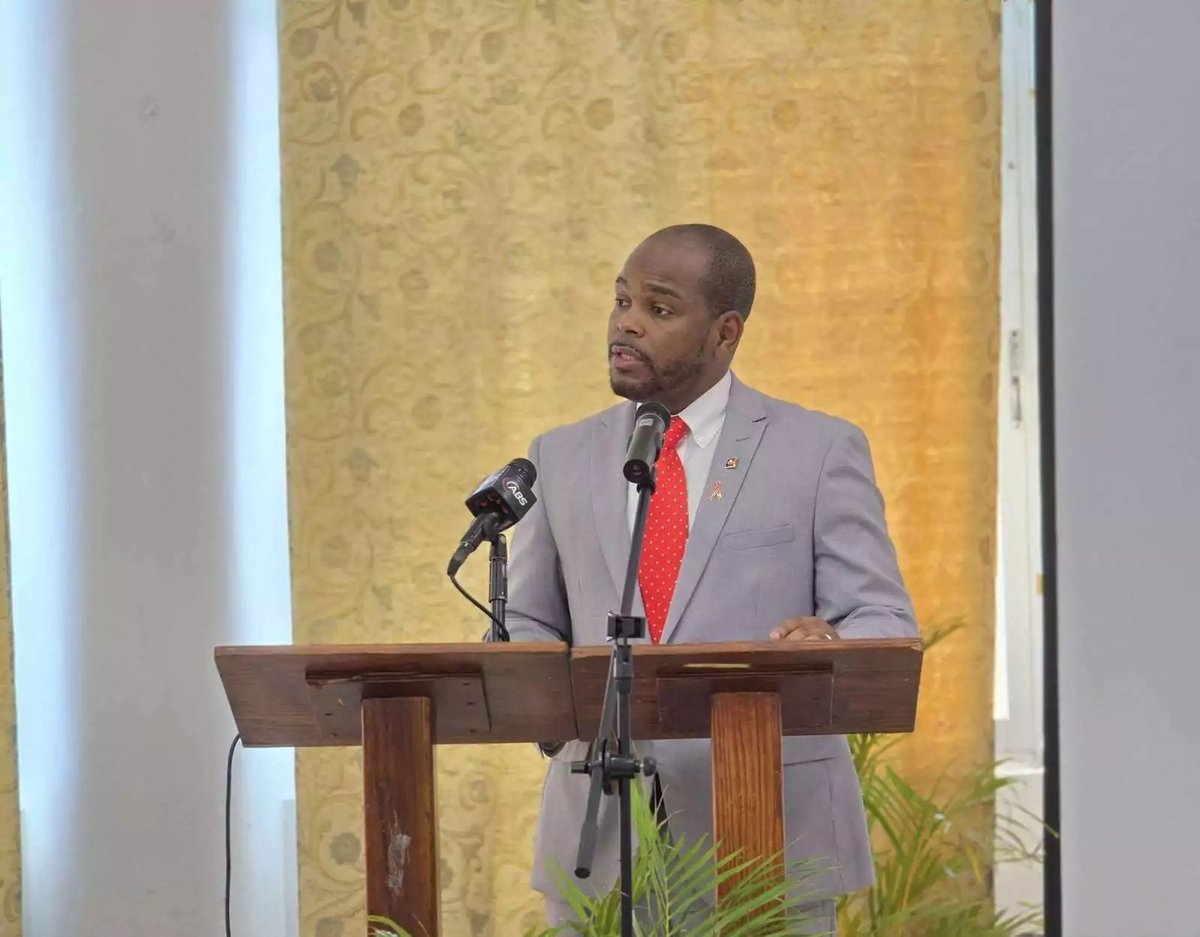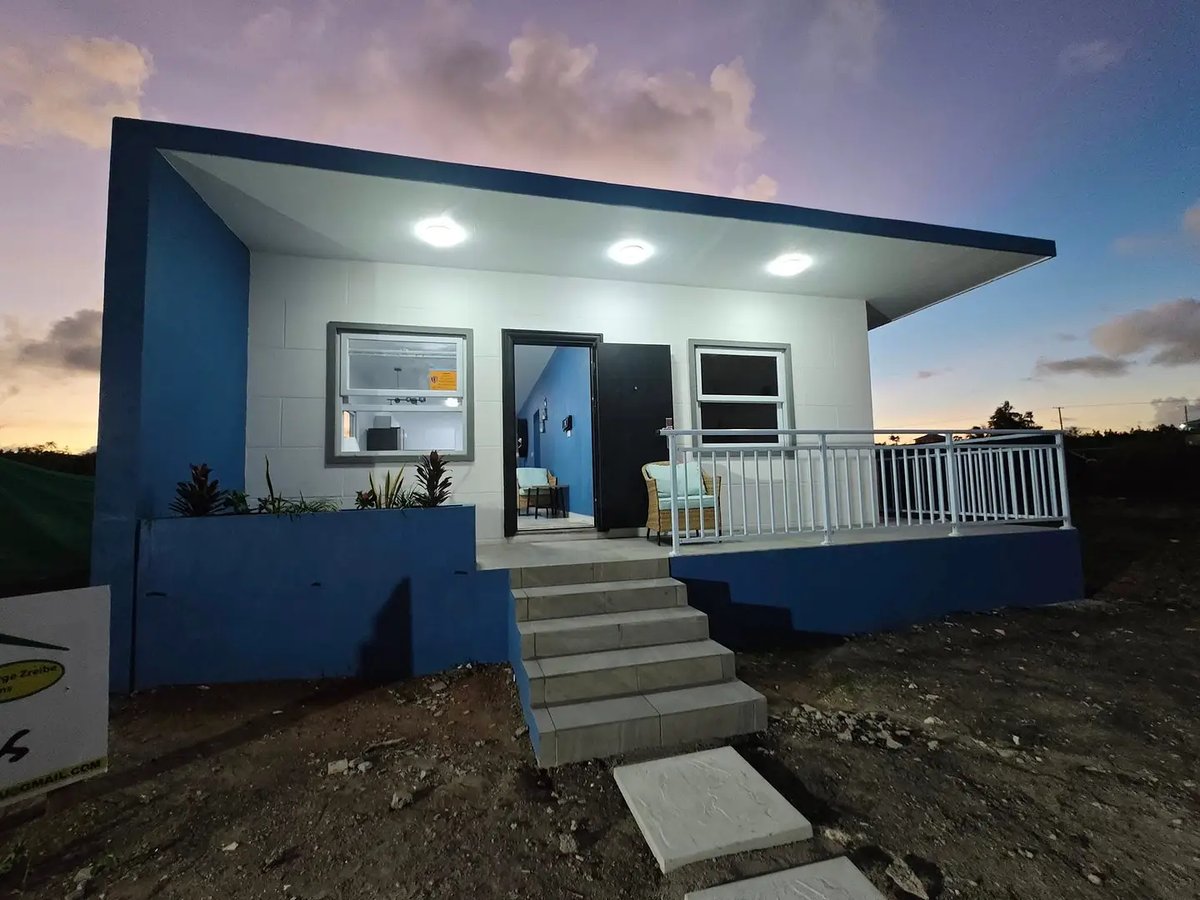
The government of Antigua and Barbuda has facilitated the construction of more than 4,000 subsidised homes over the past decade, Prime Minister Gaston Browne has announced, describing the achievement as part of a broader transformation of the country's housing sector.
Speaking on Pointe FM, Browne noted the figure reflects only homes built with direct government support, and that overall construction activity has been considerably higher. "As much as I would have said during the launch that over 4,000 homes were built… I mean that's a fraction of the total homes that were built during the last 12 years," he said.
Browne characterised the period as a "housing explosion" or "revolution," with many citizens also constructing homes independently, alongside those supported through state-funded programmes.
The Prime Minister outlined the scale of government assistance involved, stating that subsidies on state-built homes typically range between EC$100,000 and EC$150,000 per unit. He said this effectively transfers equity to homeowners by allowing them to purchase properties below market value.
"When you purchase a home, for example, for $300,000 from the government… and the value is about $450,000, right there we're transferring $150,000 in wealth to the individual," Browne said.
Browne also pointed to land policies designed to improve access to home ownership, noting that government land remains available at reduced rates. He said these initiatives are intended to make housing more affordable while supporting wealth creation among citizens.
The housing programme, he argued, forms part of a wider strategy to raise living standards — particularly for lower- and middle-income households — through duty waivers, concessional financing and targeted subsidies.
Browne added that the expansion of housing is designed not only to meet demand but also to stimulate broader economic activity, with construction continuing to serve as a key driver of growth across the country.