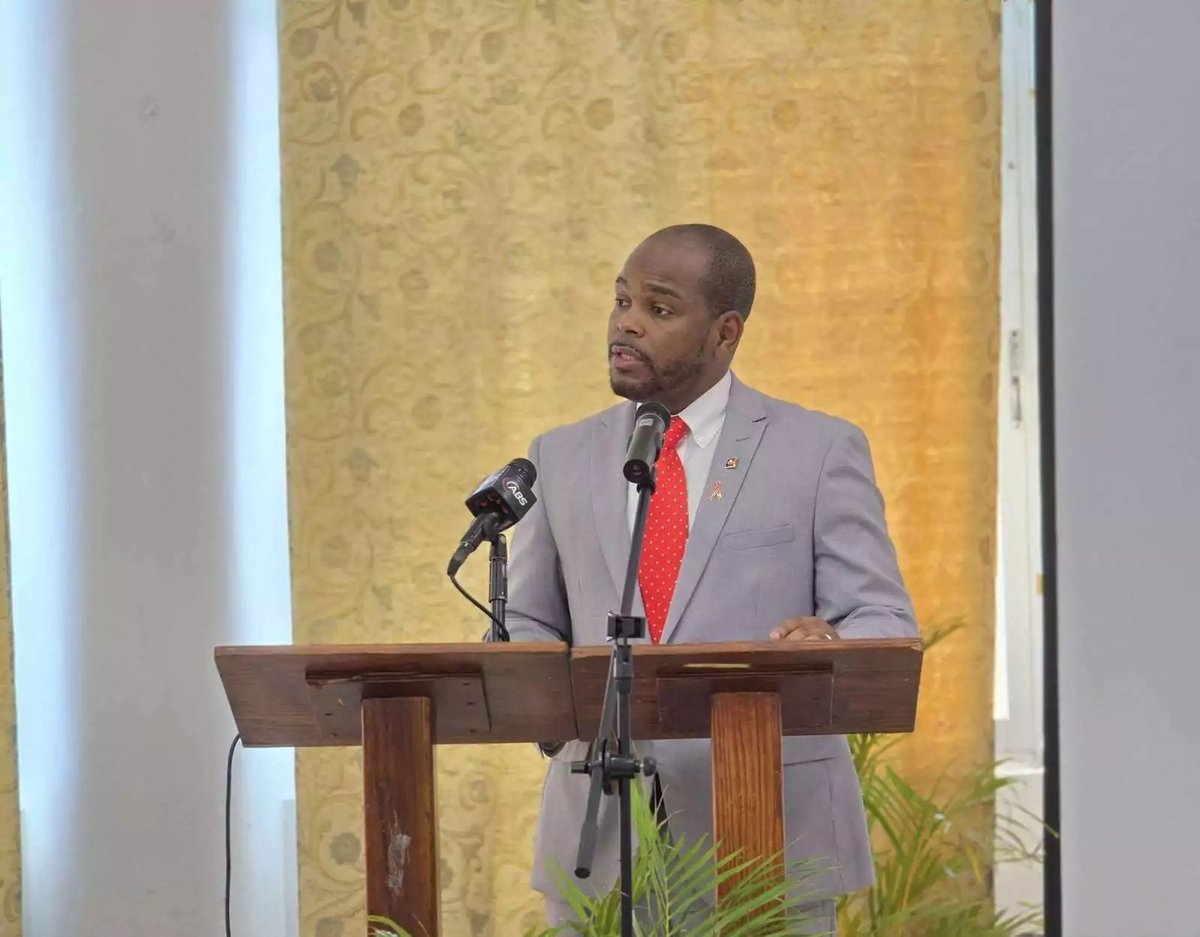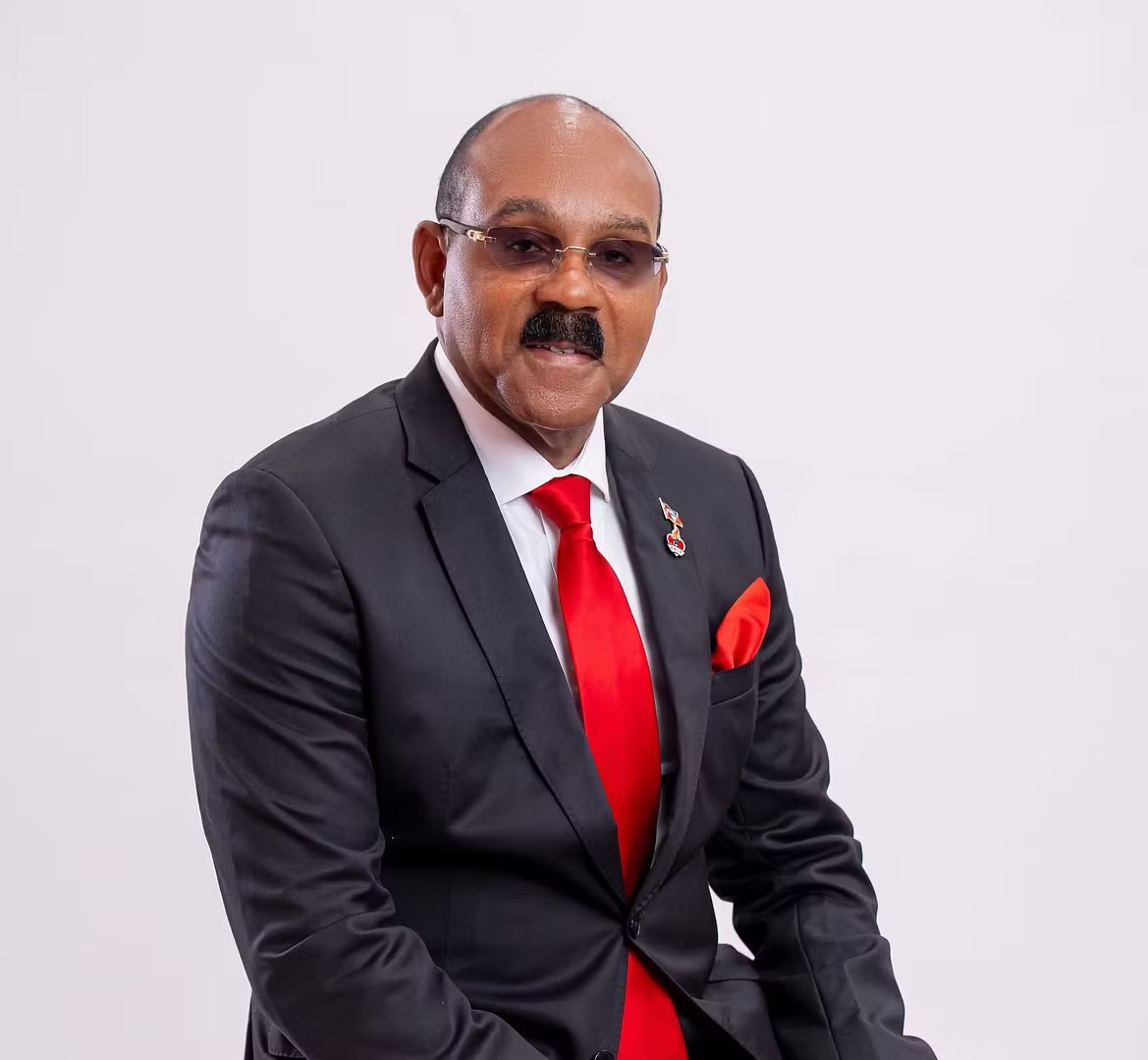
Prime Minister Gaston Browne has reignited national debate over youth leadership after announcing he is actively considering appointing a person in their 20s to the Senate. According to Antigua News Room, Browne made the remarks on his Browne and Browne Show, framing the move not as a passing thought but as part of a deliberate strategy to identify and develop emerging leaders for the Upper House, statutory boards, and other key national institutions.
The announcement fits a recognisable pattern within the Browne administration. His tenure has been marked by a willingness to elevate young people into positions of influence earlier than political tradition typically allows. While critics have questioned whether youth can substitute for experience, figures such as Caleb Gardiner and Shenella Govia are frequently cited as evidence that calculated bets on young talent can reshape a country's leadership landscape.
Browne's latest remarks signal that he is watching the political space closely, looking not merely for loyalty but for demonstrated capability. His tone carries an implicit challenge to the nation's youth — to step forward, prove their readiness, and engage meaningfully at the highest levels of governance. The message reframes the role of young people from patient observers waiting on the sidelines to active participants expected to perform and lead.
The announcement has already sparked widespread speculation. A number of names have begun circulating in public and political circles, among them Kristine Louisa, Amelia Williams, Briana Anthony, Shaquan O'Neal, Kerron McKenzie, Jahmal Frederick, Esquire Henry, Jawan Jackson, Kaiesha Joseph, and Janet Simon. These individuals represent a range of backgrounds spanning community work, professional fields, advocacy, and public engagement — a reflection, many observers note, of the breadth of young talent present in Antigua and Barbuda.
The significance of the opportunity reaches beyond a single Senate seat. The Senate plays a vital role in reviewing legislation, shaping national debate, and ensuring careful consideration of major decisions. Browne's comments also point to a wider opening through statutory board appointments, which govern critical sectors including health, tourism, utilities, and finance. Placement on such boards has long served as a practical training ground for governance and public administration.
Appointing someone in their 20s to these spaces would carry more than symbolic weight. A younger voice in decision-making forums could bring perspectives more closely aligned with contemporary challenges — youth unemployment, digital transformation, education reform, and social change. It would also establish a leadership pipeline through which young officials can build the competence and confidence necessary for higher office down the road.
The opportunity, however, comes with serious responsibility. Governance demands discipline, critical thinking, and the ability to navigate complex national issues under sustained public scrutiny. Those elevated to the Senate or statutory boards will represent not only themselves but, in a very real sense, an entire generation.
There is a broader political dimension as well. The move reinforces the Antigua and Barbuda Labour Party's positioning as a forward-looking organisation that takes younger voices seriously. It reflects the reality that a substantial portion of the population is young and increasingly eager to participate in shaping national direction. It also places pressure on opposition parties and other institutions to examine how — or whether — they are investing in youth within their own ranks.
What is taking shape is more than a prospective appointment. It is a signal of transition — an indication that the future of leadership in Antigua and Barbuda is being actively constructed now rather than deferred. The gates of power, as Browne's remarks suggest, are being opened to the younger generation through the Senate, statutory boards, and other avenues of national service, each with clear expectations attached.
The central question is no longer whether young people deserve a seat at the table. It is which among them is truly prepared to carry the weight that comes with it.