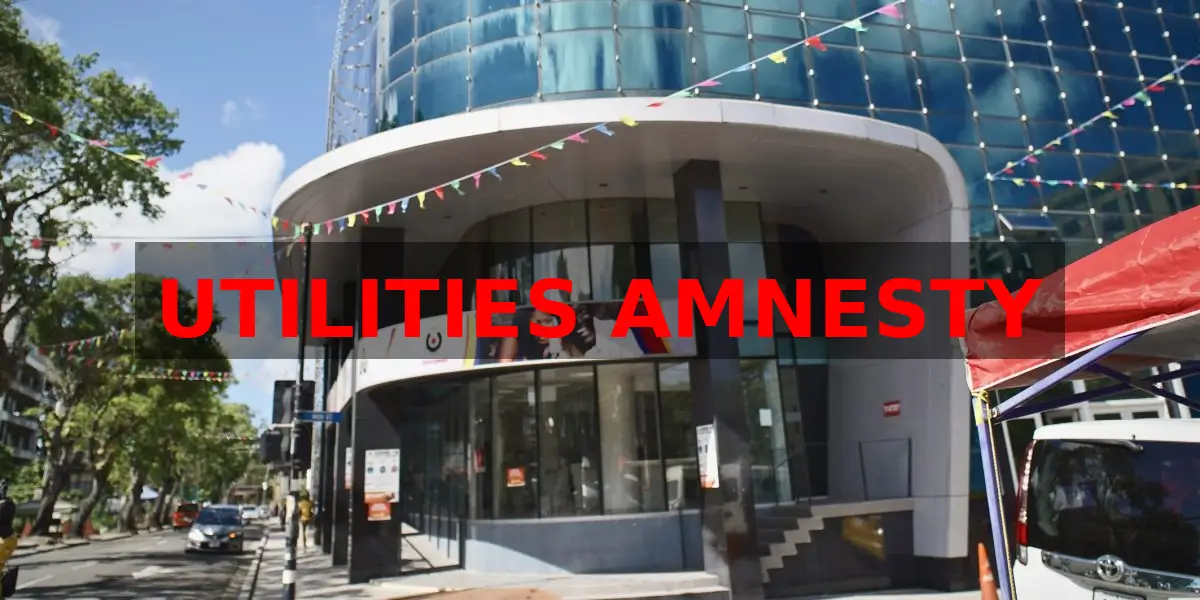
The government of Antigua and Barbuda has expanded its utility amnesty programme to include internet services, extending relief to households disconnected due to unpaid bills.
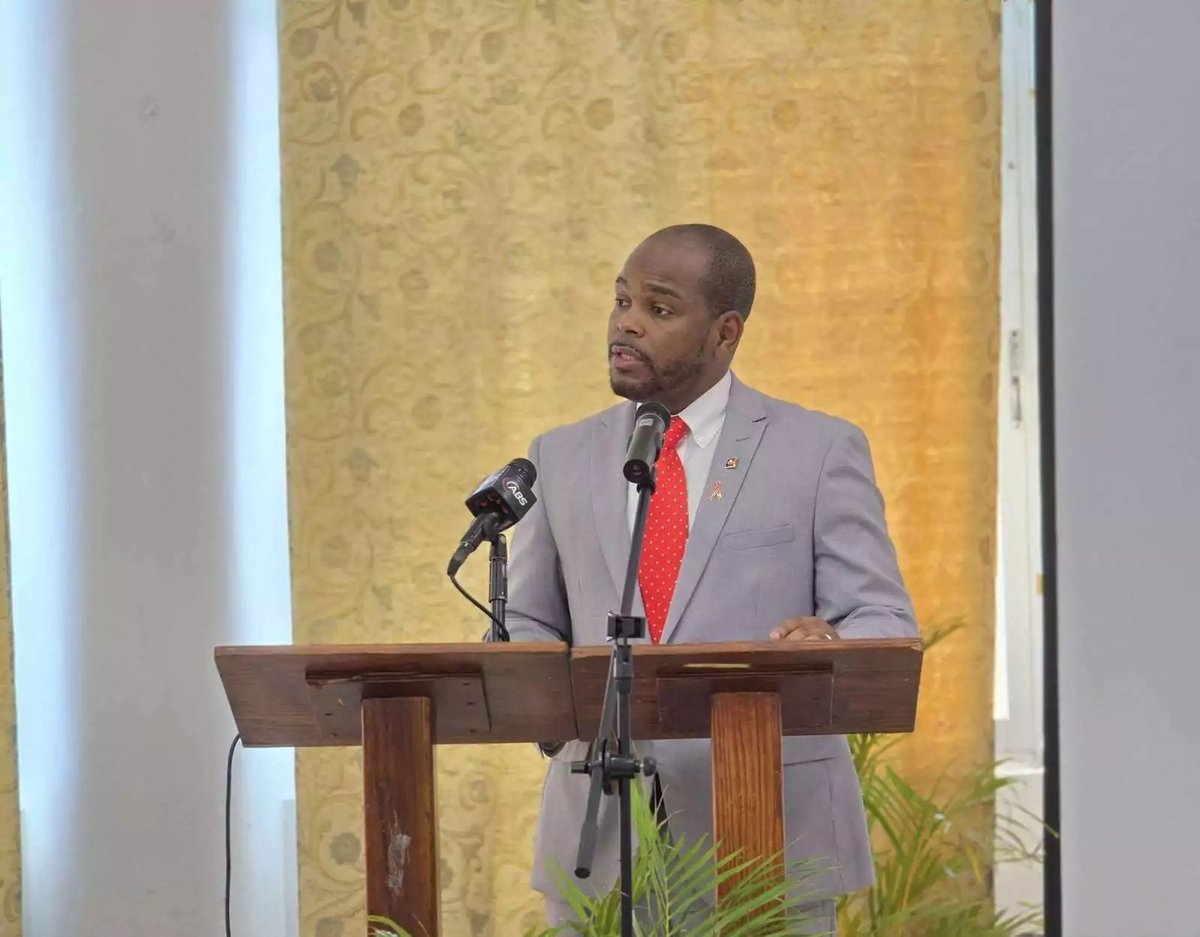
Prime Minister Gaston Browne said the decision was driven by public feedback, and that internet connectivity is now regarded as an essential service on par with electricity and water.
The initiative targets vulnerable families who have fallen behind on payments, offering them a pathway to restore services and improve their quality of life. Browne noted that the programme reflects a governance approach built on continuous public engagement, with policies adjusted to address emerging needs as they arise.
The amnesty forms part of broader social support efforts aimed at low-income households. The government's position is clear: no resident should be left without access to basic and increasingly vital services.
The inclusion of internet access is expected to provide meaningful relief to families who depend on connectivity for education, remote work and everyday communication — particularly those in underserved communities.