Prime Minister Gaston Browne has called on students of the Antigua and Barbuda College of Advanced Studies (ABCAS) to begin preparing now for leadership roles in the country, warning that a generational transition is on the horizon and will demand discipline, confidence, and critical thinking.
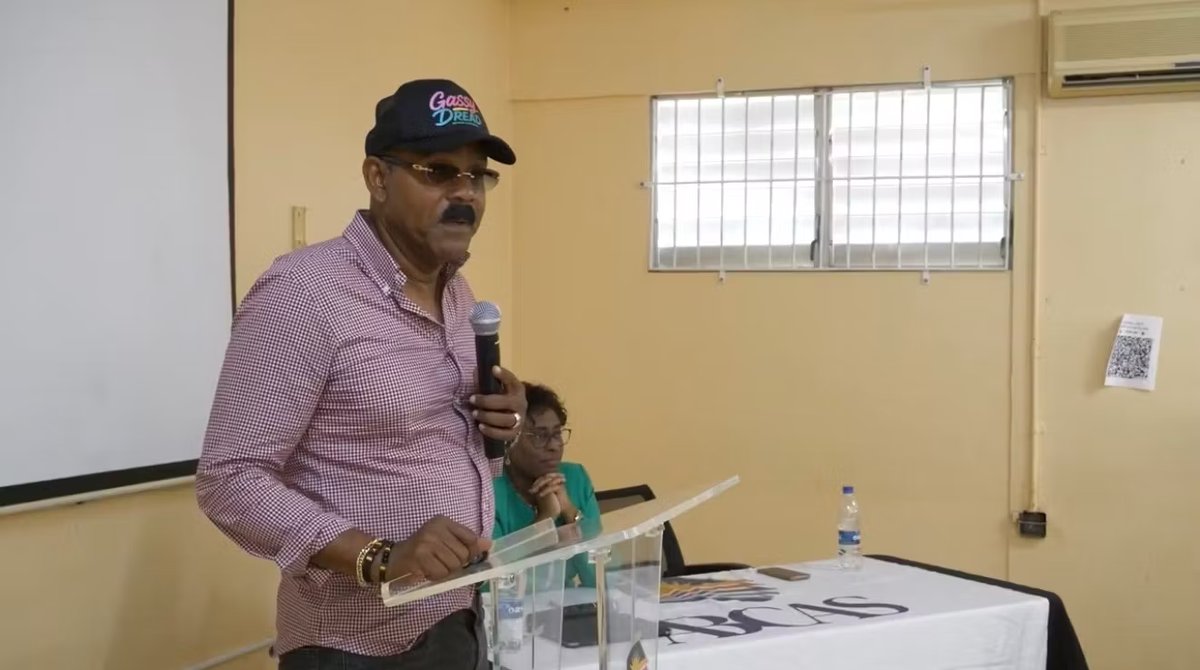
According to Antigua News Room, Browne made the remarks during an engagement with students and faculty, framing the session as more than a conventional lecture and encouraging open dialogue, including scrutiny of the current government's record.
"Consider this engagement as part of the practical application of your studies," he told the room. He added that students should feel free to "look critically at our government's performance to see whether or not we are following the principles of good governance."
Browne said the nation's future hinges on how well young people equip themselves to fill key roles across both the public and private sectors. "I'm pretty sure that a few of you will end up in senior positions in the public sector and private sector in the future," he said.
The prime minister noted that the current generation of leaders is approaching the later stages of their careers, making succession unavoidable. "You'd recognize that many of us in government today, we are now maturing in our 50s, 60s… so we're looking forward now to that transition to take place… for you to join the public sector, the private sector, and to become the leaders within the country," he said.
Browne connected that transition to what he described as a broader national push for progress, referencing the government's "Renaissance" agenda. "We've been speaking about the Renaissance and the Renaissance is about taking Antigua and Barbuda to the next level of progress and development," he said.
Central to that vision, he stressed, is a commitment to inclusive governance. "As a leader, you have to be inclusive. You have to make sure that no one is left behind," Browne said, pointing to existing social programmes designed to support vulnerable groups.
He told students to regard themselves as an emerging leadership class with a responsibility to shape the country's direction. "Consider yourselves to be the elite students because ultimately, you're the ones who will be equipped with the skills to preside over the effective management of our country," he said.
Beyond academic achievement, Browne emphasised the importance of soft skills, arguing that technical knowledge alone is insufficient. "You may have the skills, but if you don't have the confidence… you can't utter proper sentences… boom, you're out," he said, urging students to develop both hard and soft competencies.
He also encouraged students to embrace a strong work ethic and to seize available opportunities even when those opportunities fall short of their ultimate career goals. "Even if you… may not get your ideal job, it doesn't matter. Take whatever is available until you can get what you want," Browne said.
Closing his address, the prime minister urged students to take proactive steps toward leadership rather than wait for opportunities to present themselves. "We look forward to your stepping up, leveling up, positioning yourselves now to take over the leadership of the country," he said.
The engagement forms part of ongoing government efforts to connect with young people and encourage greater participation in national development.