OPINION — Antigua and Barbuda has made a deliberate cultural choice, and according to Antigua News Room, it is one that deserves far greater public scrutiny than it is currently receiving.
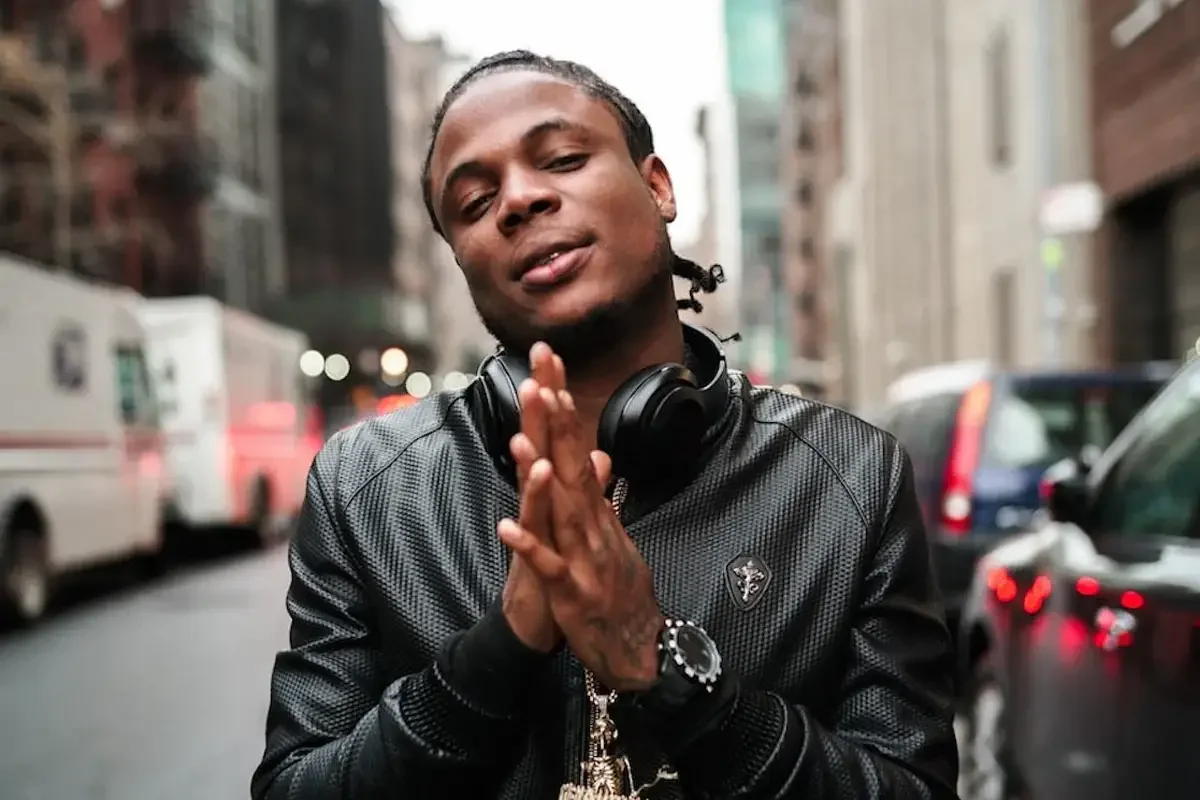
By appointing Masicka as a cultural ambassador, the nation has effectively signalled that influence outweighs identity, that reach outweighs responsibility, and — most troublingly — that imported relevance is preferable to cultivated authenticity.
The justification offered has been framed around youth engagement. But that framing deserves interrogation. The argument follows a simple logic: young people listen to Masicka, therefore Masicka can positively influence young people. On paper, it appears sound. Under closer examination, it does not hold.
Influence is not neutral. It carries the full weight of its origins — its values, its contradictions, and its consequences. Masicka's catalogue is not obscure or difficult to access. It is mainstream, widely available, and consistent in its messaging. Themes of violence, transactional relationships, and hyper-materialism are not occasional elements of his work; they are structural ones. To present him as a symbol of discipline and success demands a degree of selective interpretation that borders on willful negligence.
The messenger cannot be separated from the message simply because it is politically convenient to do so.
This is not an indictment of dancehall as a genre. Like any art form, dancehall reflects the environment from which it emerges. Jamaica's socio-economic realities have shaped its sound, its narratives, and its global appeal. But that context carries consequences — ones that Antigua appears eager to set aside before adopting the product.
To be direct: this is not cultural exchange. This is cultural outsourcing.
Antigua is not short of artists. It is not short of voices capable of speaking to its youth with authenticity and genuine credibility. Yet rather than investing in those voices, this appointment bypasses them entirely in favour of a ready-made figure whose influence was built elsewhere, under entirely different social conditions.
Figures such as William Martin, and the internationally active network surrounding him and his son Zamoni, represent something considerably more valuable than borrowed influence — they represent continuity. They embody the possibility of Antiguan talent moving outward into the world while remaining rooted in its origin. That is how cultures grow: organically, not through substitution.
The reason that path was not taken is uncomfortable but familiar. It is easier to import credibility than to build it. It is easier to attach to an established brand than to nurture one. It is easier, in short, to perform cultural development than to commit to it.
But shortcuts in cultural policy are rarely without cost.
When a government appoints a cultural ambassador, it is not merely filling a ceremonial post. It is making a declaration about values. It is setting a standard. It is signalling to its youth, whether intentionally or not, what success looks like and what the state is prepared to endorse.
Young people do not engage with titles — they engage with patterns. They will not parse policy statements or ministry objectives. They will consume the music, absorb the messaging, and emulate the behaviours that are most visible, most repeated, and most celebrated.
The question is no longer whether Masicka can draw a crowd. He can. The question is whether Antigua fully understands what it is inviting onto its stage.
Is this a strategic move to harness influence for positive change? Or is it a quiet admission that the nation no longer trusts its own culture to carry that responsibility?
Until that question is answered honestly, this appointment will remain what it appears to be — not a step forward, but a carefully packaged retreat.