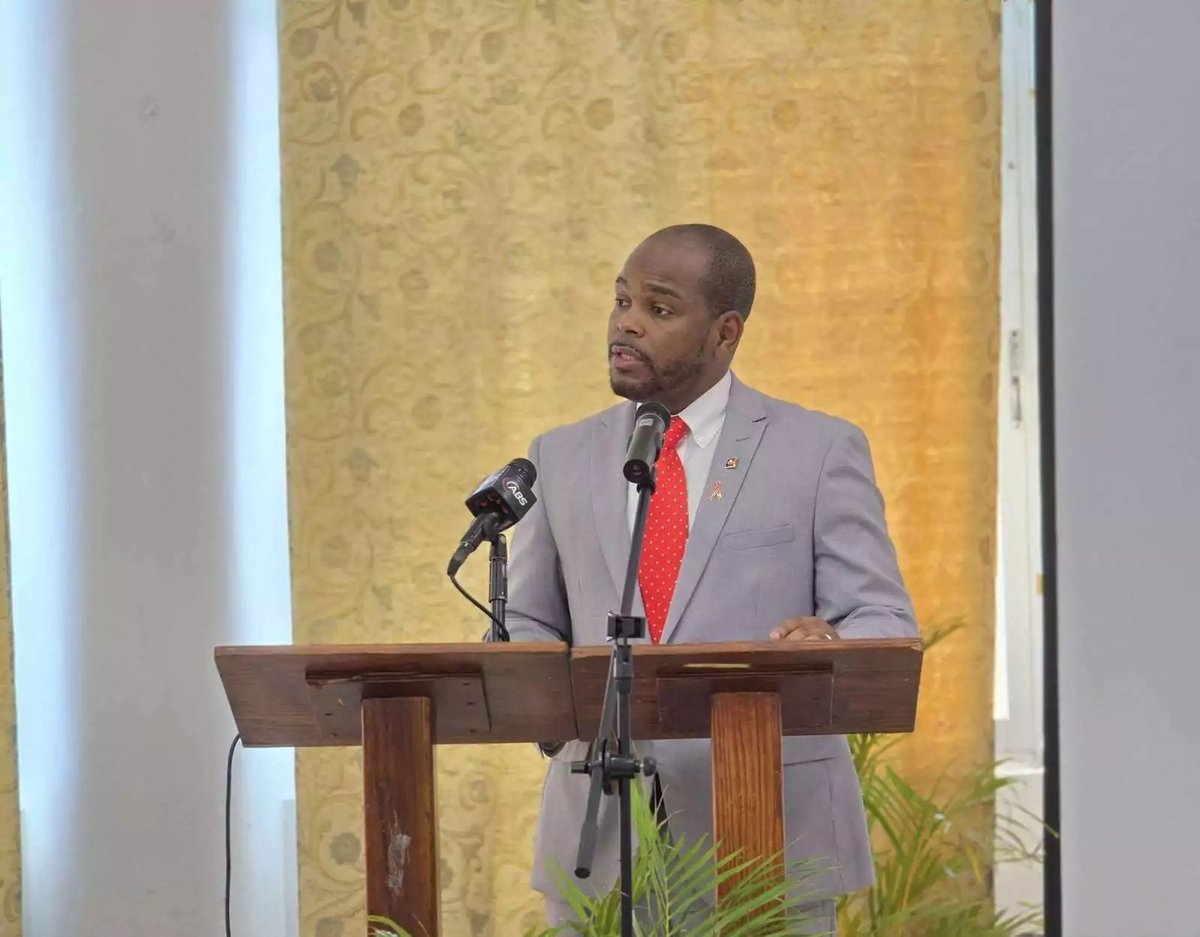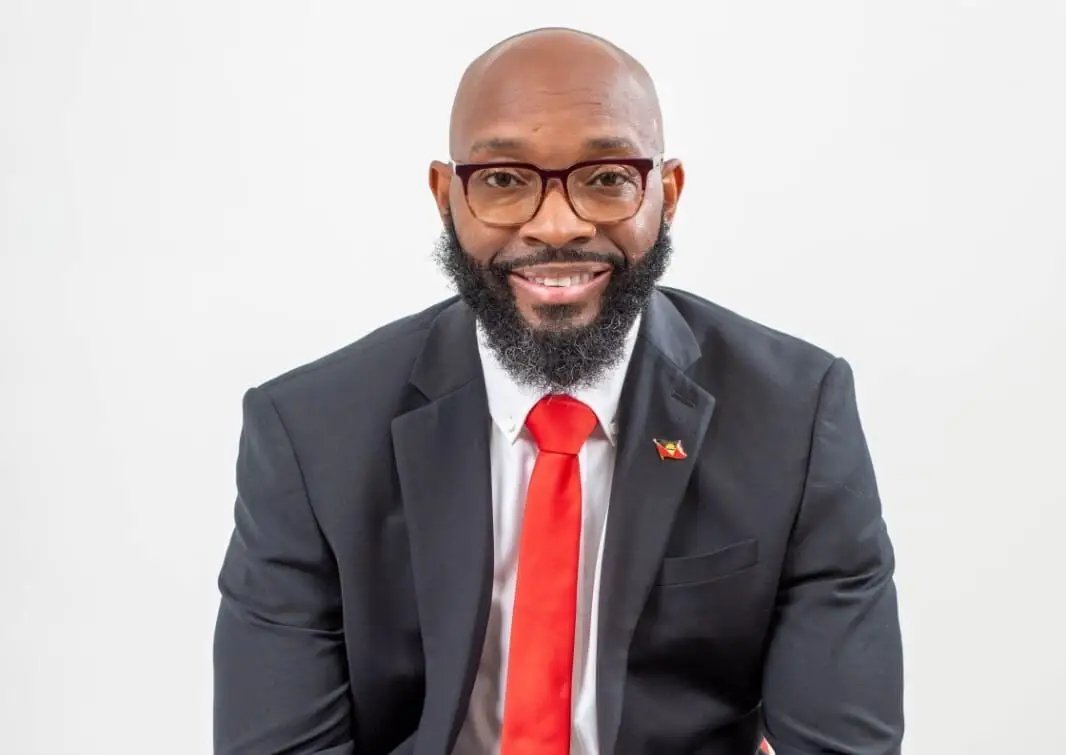
In an era where political representation is frequently viewed as performative, Michael Freeland has built a reputation in the St. George constituency on presence, consistency, and genuine accessibility, according to Antigua News Room.
Freeland has not simply emerged as a candidate ahead of the upcoming election. He has long been a fixture in the community — a sustained presence who has walked neighbourhoods, engaged constituents directly, and worked to address concerns in real time. That kind of grassroots engagement, observers note, is not manufactured overnight. It is built through years of trust, familiarity, and credibility.
That credibility predates his formal political candidacy. Long before securing his place on the electoral stage, Freeland had already established himself as someone deeply embedded in Antigua's social fabric. His involvement in sports, participation in carnival activities, and service as a senator all point to a consistent commitment to community life. Throughout, he has remained approachable — accessible to the very people he seeks to represent, without allowing titles or status to create distance.
Freeland's track record also reflects a considered understanding of community development. He established the Michael Freeland 10-overs softball cricket league, an initiative that has gone beyond sport to foster unity, provide recreation, and create opportunities for positive social engagement. It stands as a concrete example of how leadership can bring people together in meaningful ways.
His community investment does not stop there. Freeland has regularly sponsored junior golf championships, giving young Antiguans a platform to showcase their skills and pursue their potential. He has also supported the St. George Football Community Shield Cup competition, further reinforcing his commitment to youth development and community cohesion.
These initiatives, as reported by Antigua News Room, are not symbolic gestures. They represent a consistent investment in people — particularly young people, who are often sidelined in broader political strategies.
What distinguishes Freeland's efforts is that they have been carried out without the full backing of elected office or the resources that typically accompany it. When an individual is willing to invest time, energy, and personal resources into improving lives before holding power, it suggests motivation rooted in service rather than title.
It raises a compelling question: if Freeland has already demonstrated a capacity to uplift and engage without a formal mandate, what might be achieved with the authority and resources of elected office behind him? For the people of St. George, his election could mark a significant turning point.