The CARICOM Reparations Commission (CRC) has swiftly condemned a proposal by British right-wing populist party Reform UK to block all new visas to nationals of Antigua and Barbuda and 18 other Caribbean and African countries that continue to pursue slavery reparations. According to Antigua.news, the policy — dubbed a "Reparations Lock" — was announced by Nigel Farage's party and would halt the issuance of work, study, family, and visitor visas to nationals of any country formally demanding reparations.
Reform UK's home affairs spokesperson Zia Yusuf outlined the proposal in an interview with the Daily Telegraph, framing it as a firm response to what he described as "insulting" calls for reparations. Yusuf argued that countries seeking reparations "ignore the fact that Britain made huge sacrifices to be the first major power to outlaw slavery and enforce this prohibition."
Among the nations explicitly targeted are Antigua and Barbuda and fellow CARICOM member states Barbados, Jamaica, Grenada, St. Kitts and Nevis, St. Lucia, St. Vincent and the Grenadines, Dominica, Belize, Guyana, Trinidad and Tobago, the Bahamas, Haiti, Montserrat and Suriname, as well as Ghana, Kenya and Nigeria.
The announcement came approximately two weeks after the United Nations General Assembly adopted a resolution declaring the transatlantic trafficking and chattel enslavement of Africans as the gravest crime against humanity. The resolution passed with 123 votes in favour; the United States voted against it, while the United Kingdom was among the European countries that abstained. The resolution had been proposed by Ghana's President John Dramani Mahama and was backed by both the African Union and CARICOM.
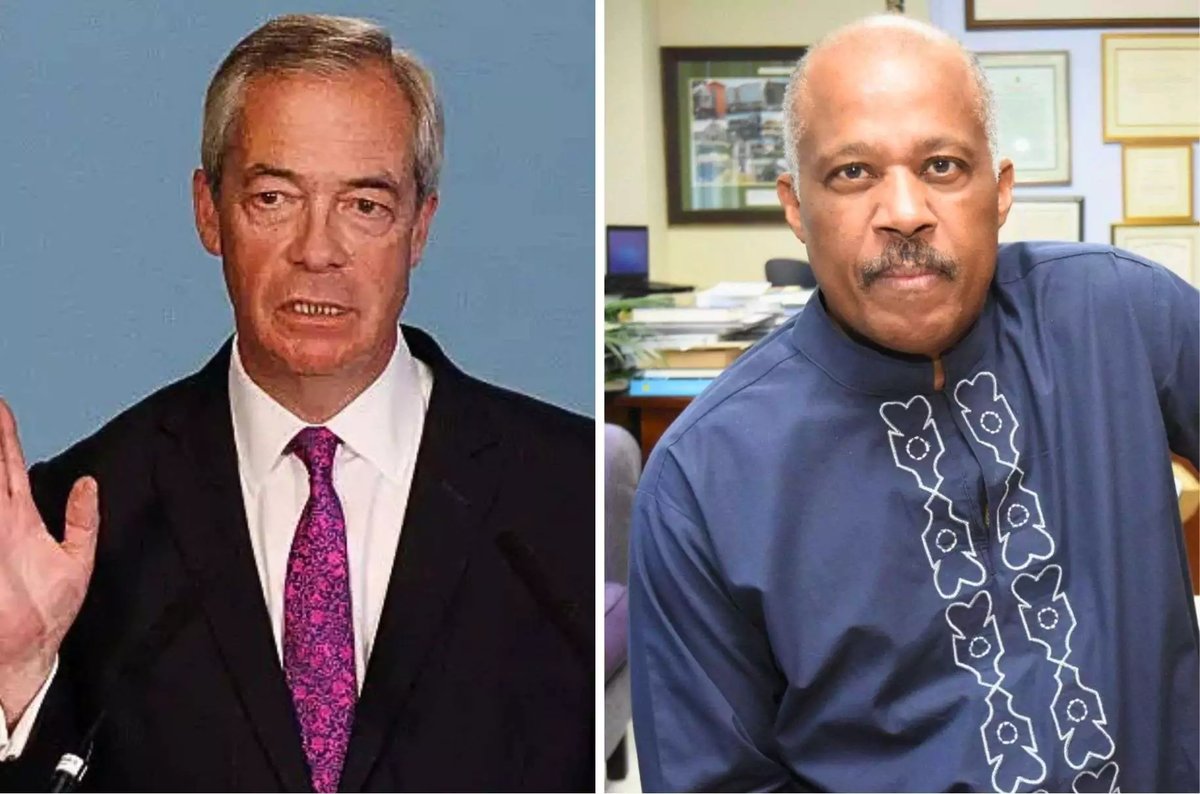
CRC Chairman Professor Sir Hilary Beckles described Reform UK's proposal as consistent with the "legacy of toxic racism" that has historically characterised opposition to reparatory justice. Speaking at a press conference, Beckles said the position reflected a pattern in which victims of an enormous crime are punished for demanding justice.
"I would suggest that they rethink that notion about punishing people who are calling for justice," Beckles said. "The idea that the victims of an enormous crime calling for justice are to be doubly punished is tragic."
Beckles drew a direct parallel between Reform UK's stance and the arguments made by those who opposed emancipation in 1833. "There were people who did not want emancipation, who insisted that slavery was good, that it was in Britain's national interest, that Black people were not deserving of freedom," he said. "Political leaders who take that view would realise that punishing the victim again is in fact consistent with those people at the time of emancipation."
He acknowledged that the British Parliament also contained members who did not hold such views and that it remained a forum where these conversations could take place humanely.
Beckles also challenged Reform UK's central claim that Britain deserved recognition as the first major power to abolish slavery. He argued the 1833 Emancipation Act was a property compensation measure rather than a moral one. "The compensation which the British government paid to the slave owners was for loss of property," he said. "If you're going to have property compensation, first of all, you have to assume that the 600,000 people were property."
He further noted that the enslaved were compelled to fund 51 percent of the cost of their own emancipation through four years of unpaid labour. "The notion that the enslaved had to pay with four years of free labour to the enslavers to pay off the financial gap suggests that the Emancipation Act was in itself unethical," Beckles said.
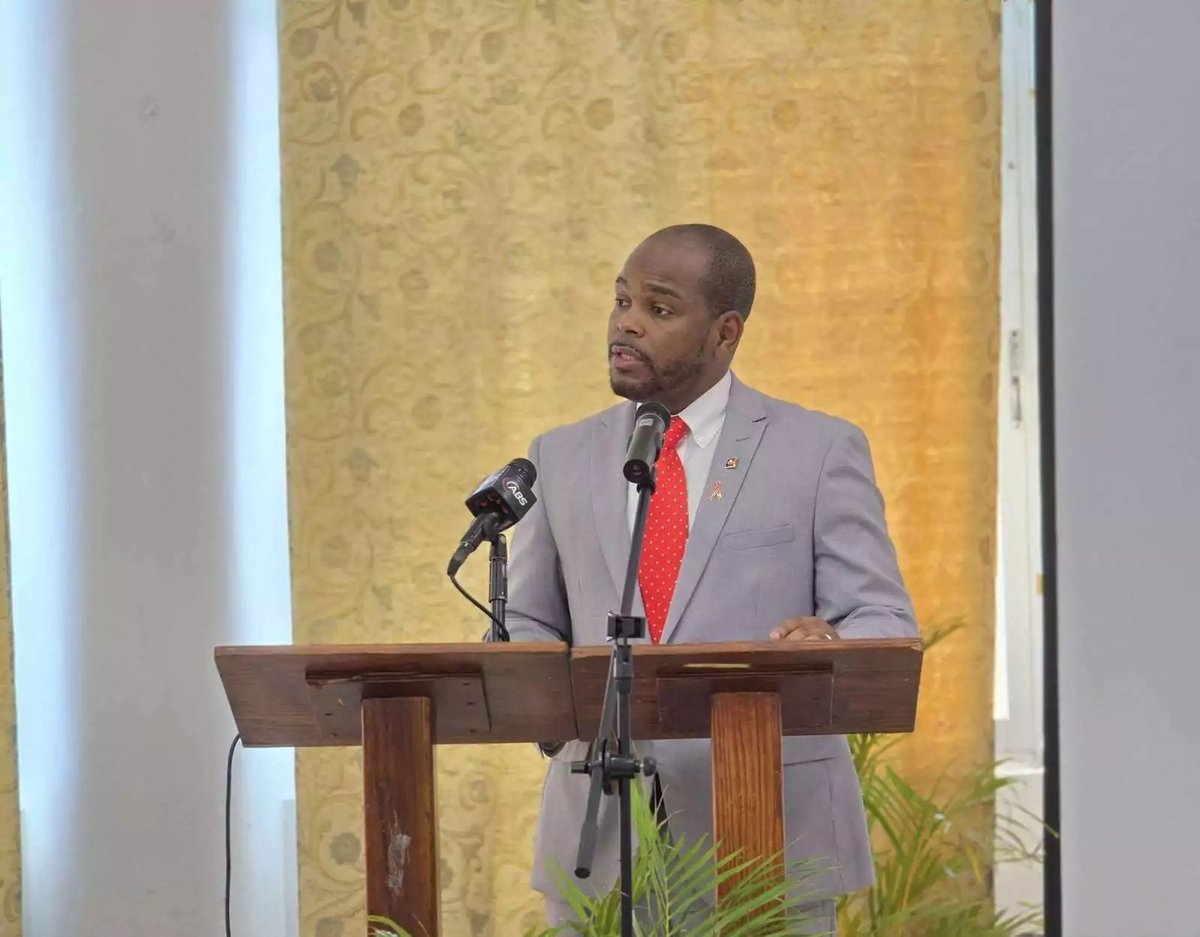
Dobrene O'Marde, Chairman of the Antigua and Barbuda Reparation Support Commission and a Vice Chair of the CRC, also pushed back on Britain's claim to abolitionist primacy, noting that Haiti had abolished slavery at least three decades before the United Kingdom. He further pointed out that Britain had paid reparations in other historical contexts. "They paid reparations to the Spanish and to the Portuguese in protection of their sugar industries," O'Marde said, highlighting what he described as a clear contradiction in Britain's current position.
Professor Verene Shepherd, Vice Chair of the CRC for research and dissemination and Vice Chair of the United Nations Committee on the Elimination of Racial Discrimination, challenged the notion that Britain had acted out of benevolence. "When you talk about benevolence, when you talk about leading the campaign, think of what it costs us here in the region to fight for freedom," Shepherd said. She named Caribbean revolutionaries who were executed in the cause of emancipation, arguing that freedom was not gifted by Britain but fought for and paid for in blood across the Caribbean.
Beckles reaffirmed the CRC's commitment to government-to-government dialogue and called on European leaders to engage constructively. "We are calling for the best possible minds to be gathered to discuss the way forward," he said. "There can no longer be a denial of reparatory justice."
The Commonwealth Heads of Government Meeting, scheduled to be held in Antigua and Barbuda later this year, is expected to bring the reparations issue into sharp focus. The CRC confirmed it is planning a major reparations event alongside the summit.