A physician at the Sir Lester Bird Medical Centre has issued a pointed public letter accusing the Medical Association of Antigua and Barbuda of practicing what they describe as "selective solidarity" — offering public sympathy in times of visible crisis while remaining silent on the daily hardships faced by junior doctors. According to Antigua News Room, the letter was published anonymously under the name "Concerned Physician."
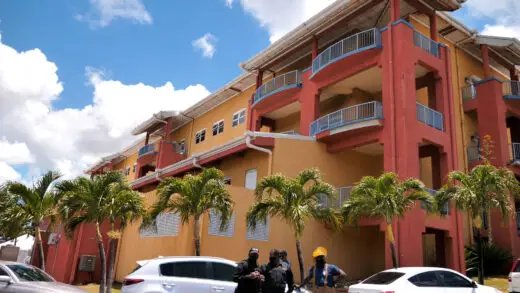
The letter acknowledges the devastating fire at the Gambles Medical Centre, calling it a tragedy that struck at the heart of the medical community. "The loss suffered by our colleagues is not merely physical — it is deeply personal and profoundly professional," the physician wrote. "Years of sacrifice, patient trust, and dedication have gone up in flames."
But the author uses the moment of collective grief to raise broader concerns. While the Medical Association issued a statement of solidarity following the fire, the letter argues that such unity is conspicuously absent when it comes to the everyday struggles of young doctors in the public health system.
"It is difficult to reconcile the eloquence of sympathy in times of public tragedy with the deafening silence that persists around the daily struggles of young physicians at our nation's only public hospital," the physician wrote.
The letter outlines a range of grievances affecting junior doctors, including extended working hours, inadequate institutional support, and conditions described as damaging to both physical and mental health. The author also raises concerns about what they characterize as targeting and marginalization within a system that prioritises hierarchy over fairness.
The physician further criticised the historical overlap between the Medical Council and the Medical Association, arguing it left aggrieved doctors with no independent avenue for appeal or representation. "There was no independent body, no avenue for appeal, no voice for the voiceless," they wrote. "That legacy continues to cast a long shadow."
Also drawing criticism are the so-called "gateway" laws, which the author says have created barriers preventing qualified young doctors from practising in their own country. Many, the letter states, have returned home after training abroad with a genuine desire to serve, only to find themselves excluded.
"These are not abstract policy debates — they are real obstacles affecting real people," the physician wrote.
The letter frames these issues as matters of class and power, questioning who within the profession is deemed worthy of support and representation. It ends with a direct appeal to the Association's leadership.
"We ask — respectfully, but firmly — that you do better. That you listen. That you act. That you remember that the strength of this profession lies not only in its most established members, but in those who are just beginning their journey," the physician wrote.
The author concluded with a candid parting remark: "As my seniors, I can learn a lot from you about being politically correct and looking glamorous for the cameras, but I do have a lot to share about truly loving the people we took an oath to serve."
The Medical Association of Antigua and Barbuda had not issued a public response to the letter at the time of publication.