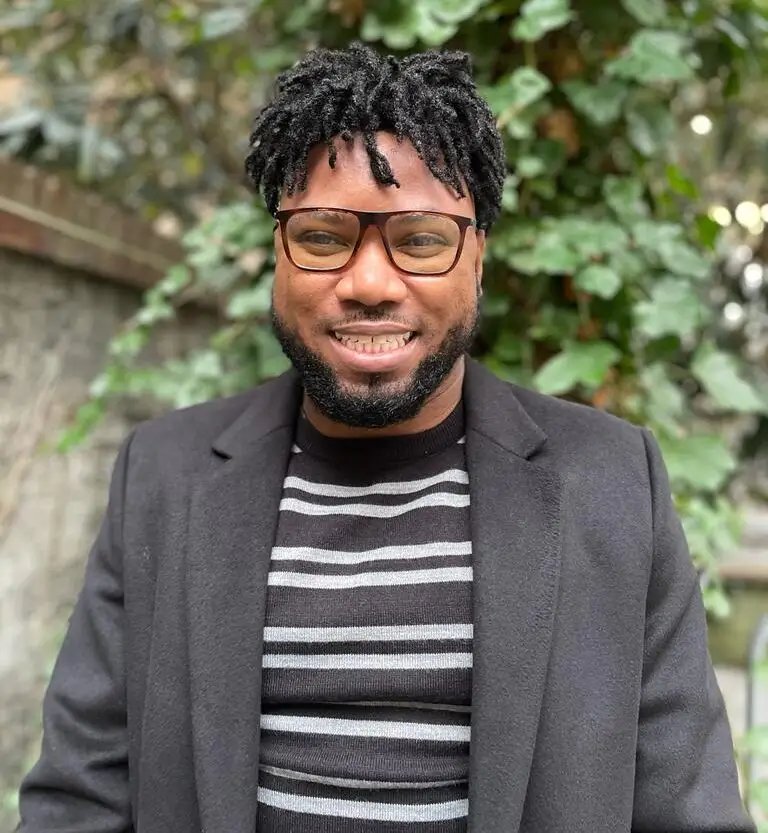
By Offniel Lamont | Offniel Lamont is a Sports Medicine Physiotherapist and Public Health Youth Advocate with Healthy Caribbean Youth (HCY), Jamaica Health Advocates – Youth Arm (JHAYA), and Fix My Food Jamaica (UNICEF Jamaica).
The Caribbean, long celebrated for its beaches and climate, now confronts serious and growing public health challenges. According to Antigua News Room, more than half of adults and a third of children in the region are overweight or obese, citing data from the Caribbean Public Health Agency (CARPHA, 2020). Surveys confirm that obesity is widespread across all age groups, placing future generations at significant risk.
The United Nations Convention on the Rights of the Child guarantees every child the right to the "highest attainable standard of health" and to "play and recreational activities" appropriate for their age. Yet these fundamental rights are repeatedly overlooked — undermined by mounting academic pressures, urbanisation, and commercial forces that deprioritise physical activity.
Addressing these failures requires a clear understanding of the distinction between physical education (PE) and coaching. Coaching prepares individuals or teams for competitive performance. Physical education, by contrast, is a structured curriculum designed to develop movement, social skills, confidence, and lifelong healthy habits in all students. UNESCO's International Charter of Physical Education, Physical Activity and Sport recognises these rights as critical to quality education and lifelong wellbeing. Governments across the Caribbean must use UNESCO's guidelines to reform school curricula and make PE a core, non-negotiable component.
The health challenges facing Caribbean youth are systemic. In schools, academic priorities increasingly overshadow the need for physical education, reducing students' activity levels and sending the damaging message that play is secondary to academic achievement. This fragmentation of child development is endangering balanced growth across an entire generation.
The consequences are well-documented. Physical activity enhances cognitive skills, mood, social ability, self-esteem, and resilience. It is not a supplement to education — it is an essential part of it. Excess academic pressure, combined with unstructured or absent leisure time, threatens healthy childhood development in ways that extend far beyond the classroom.
The urgency is clear: delays and inaction risk producing irreversible consequences that reach well beyond public health.
Now is the time for decisive action. Caribbean leaders, educators, and parents must demand concrete programmes and policies that place children's health, play, and development at the forefront. Measurable goals are essential — including reducing childhood obesity by 10 per cent within the next decade and ensuring all schools provide at least 120 minutes of structured physical activity per week. Progress must be tracked, benchmarks must be shared, and results must be made public to inspire collective accountability and change.
Our children's future depends on immediate, coordinated action. Every child has the right to play and to thrive. It is time to champion that right without further delay.