Dear Editor,
There is a growing sentiment in St. Mary's South that residents are no longer keeping to themselves. According to Antigua News Room, constituents across the area are speaking plainly: representation cannot happen in absentia.
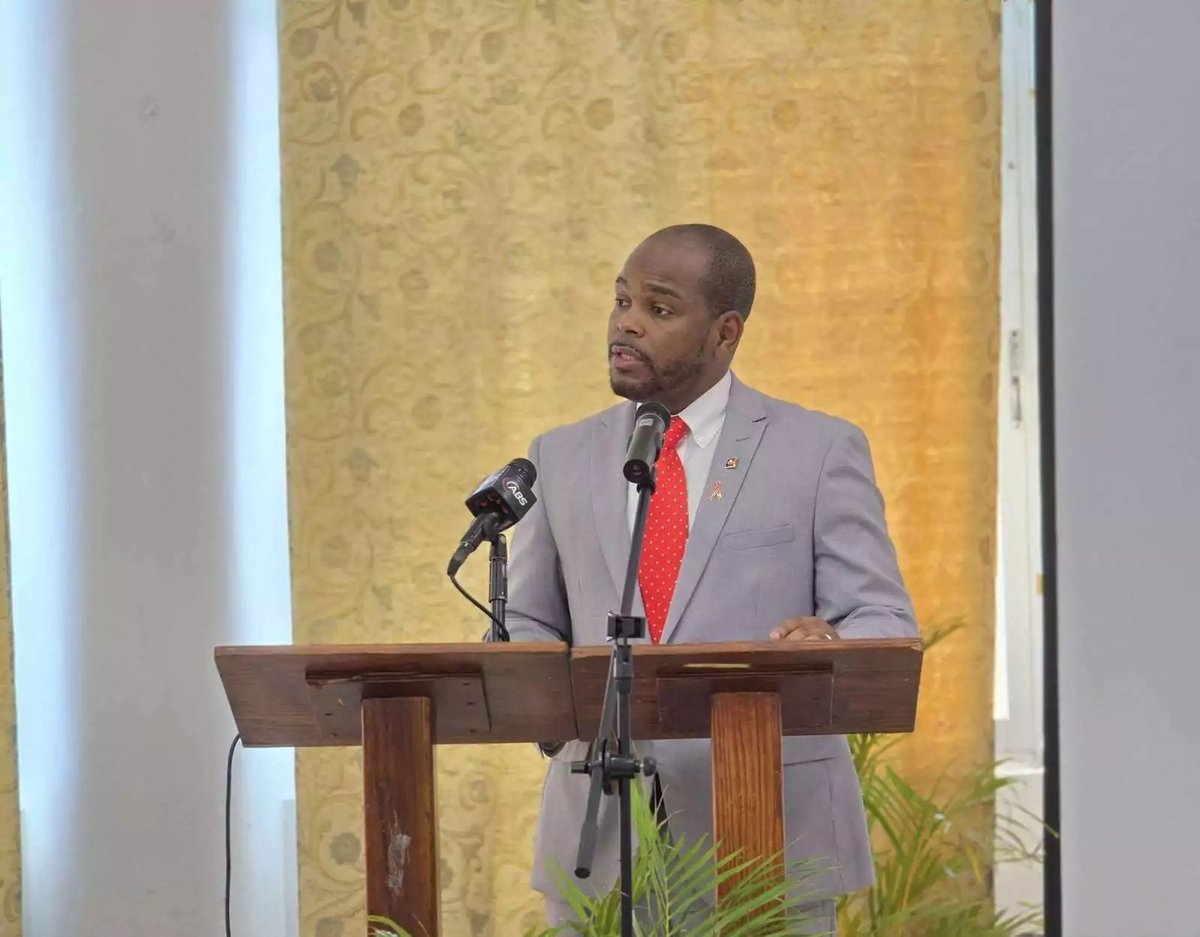
Kelvin Simon won a by-election. That is a fact. But elections are not the job — they are the interview. What follows is the work, and that is precisely where concern now lies.
Across Bolans, Urlings, Johnson's Point, and surrounding communities, the issues are tangible. Roads need attention. Drainage remains a persistent concern. Community spaces require upkeep. Young people need direction. Families need support. These are not new problems, nor are they unique. What is becoming increasingly difficult to reconcile is the absence of a clear, consistent, and visible effort from the elected representative tasked with addressing them.
What St. Mary's South appears to have instead is commentary without continuity. Visibility without grounding. Presence everywhere except where it matters most.
Being in Opposition is frequently offered as a shield, but it does not hold up as a valid excuse. If anything, Opposition is where leadership should be most visible — where initiative matters and where representatives prove they can lead without relying on government machinery.
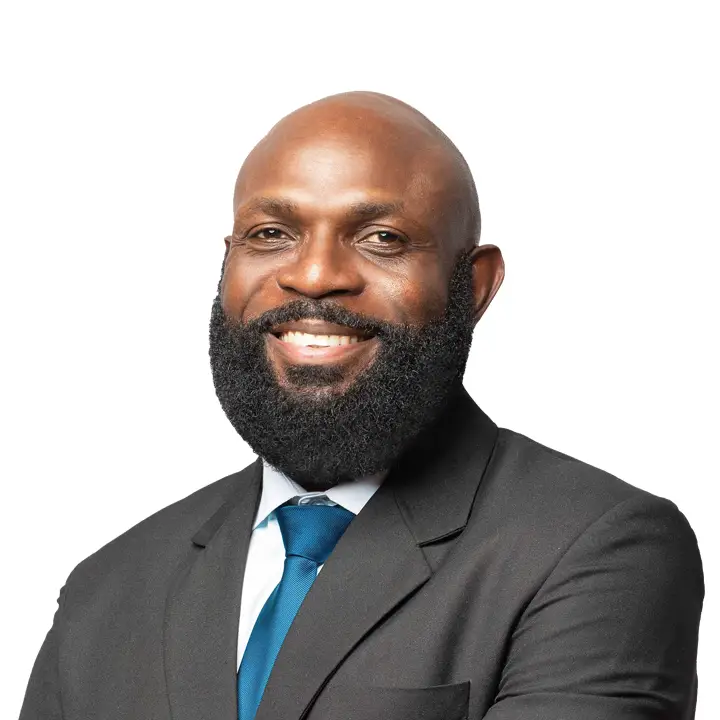
And even within the same Opposition, that excuse falls short. Richard Lewis, operating under the same constraints, has demonstrated that it is entirely possible to remain engaged, vocal, and present on both national issues and constituency matters. The difference is not resources. The difference is approach.
The question, then, returns: why not St. Mary's South?
What makes the situation particularly striking is that some of the most consistent community engagement has not come from the sitting MP at all. Emanuel Peters, serving only in a caretaker capacity, has been visible, active, and responsive in ways that residents can see and point to directly. No title. No parliamentary seat. Just work.
That contrast is not political spin. It is the lived experience of people within the constituency.
There is also a growing perception that priorities are misplaced. While constituents look for a presence on the ground, what they observe instead is a pattern of external visibility that does little to address local realities. Travel, appearances, and participation in events abroad may have their place, but they cannot substitute for the day-to-day responsibility of constituency representation.
An MP is not elected to orbit the role. An MP is elected to occupy it fully.
Representation extends beyond community engagement. It is also about what happens in the parliamentary chamber — advocacy, debate, presence, and accountability. When constituents begin to question whether their representative is showing up with the consistency the role demands, that is not a minor concern. That is the core of the mandate.
At this point, the concern in St. Mary's South is no longer about potential. It is about performance.
People know when they are being represented, and they know when they are not. They know when issues are followed up. They know when someone is present. They know when leadership is active rather than reactive.
Increasingly, the sentiment is shifting toward a single conclusion: the constituency deserves more than commentary, more than sporadic visibility, and more than symbolic representation. It deserves leadership that is grounded, consistent, and accountable.
The standard is not complicated. If the people have to ask where their MP is, something is already wrong.
St. Mary's South cannot be represented from a distance. It requires presence. It requires work. And right now, too many residents are still waiting to see it.
Concerned Citizen