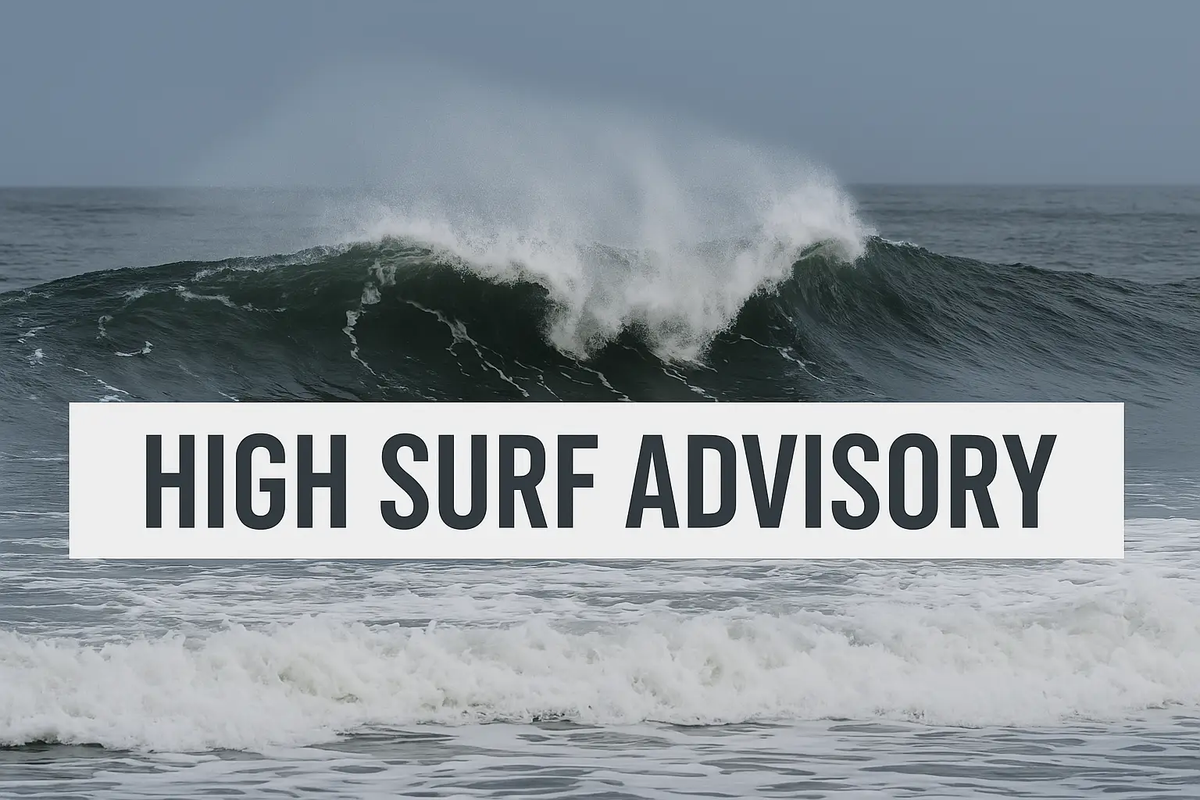
The Antigua and Barbuda Meteorological Service issued a high surf advisory at 2:50 pm on Thursday, April 2, 2026, affecting Antigua, Barbuda, Montserrat, St. Kitts, Nevis, Anguilla, and the British Virgin Islands. According to Antigua News Room, the advisory remains in effect through Friday.
Moderate long-period swells are reaching the region, creating hazardous conditions along northern and north-facing coastlines. Reefs and exposed coastlines with shallow, gently to moderately sloping nearshore areas are most at risk. Authorities rate the risk to life, livelihood, property, and infrastructure as medium.
The advisory warns of dangerous surf heights of 2 to 3 metres (6 to 10 feet) along affected coastlines. Significant wave heights are forecast at 1.5 to 2.1 metres (5 to 7 feet), occasionally reaching near 3.0 metres (10 feet). Northeasterly swells are running at 1.5 to 2.1 metres, with a swell period of 9 to 12 seconds. Breaking swells are expected to exceed 2 metres (6 feet), and authorities note that surf heights can reach twice the swell height depending on the depth and slope of nearshore areas.
The conditions are conducive to life-threatening surf and dangerous rip currents. High tides combined with onshore winds and swell action may also produce localised coastal flooding and beach erosion.
Potential impacts listed by the Meteorological Service include loss of life from strong currents, injuries to beachgoers, beach erosion, seawater washing onto low-lying coastal roads, beach closures, disruptions to marine recreation and businesses, damage to coral reefs, and saltwater intrusion affecting desalination-sourced potable water. High surf also poses a risk of knocking spectators off exposed rocks and jetties.
Authorities are urging beachgoers to exercise extreme caution, particularly along the most affected coastlines. Swimmers are advised to bathe only where lifeguards are present or on sheltered, south-facing beaches that are less impacted. Those using rocky or non-beach coastlines are also urged to take extreme care.
The Meteorological Service reminds the public that rip currents are powerful channels of water that flow rapidly away from shore, forming most often at low spots or breaks in sandbars and near structures such as groins, jetties, and piers. Anyone caught in a rip current is advised to relax and float, avoid swimming against the current, and swim parallel to the shoreline if possible. Those unable to escape should face the shore and signal for help.