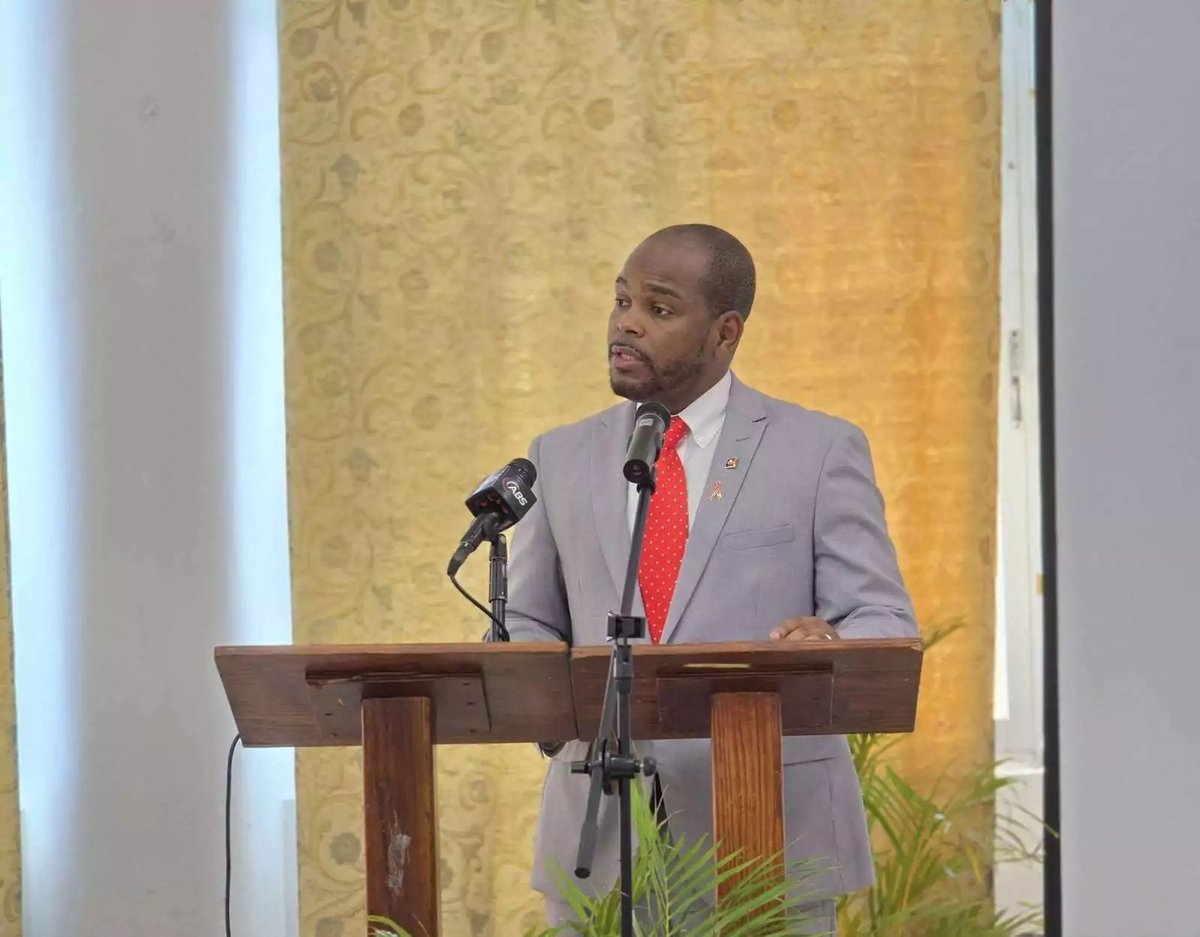
Senate Majority Leader Shenella Govia delivered a detailed presentation of the Antigua and Barbuda Festivals Commission Bill 2026 in the Senate on Tuesday, outlining sweeping changes designed to place the management of national festivals on a formal legal and financial footing.
According to Antigua News Room, Govia told senators the bill seeks to modernise how major cultural events — including Carnival and the One Nation concert — are organised, shifting operations into a structured statutory body with defined powers, responsibilities and accountability measures.
"This bill is seeking to place the management of our national festivals on a modern, more legal, structured and accountable footing," she told the Senate.
At the core of the legislation is the creation of the Antigua and Barbuda Festivals Commission as a corporate entity with full legal standing. The commission will have the authority to enter contracts, sue and be sued, and manage festival operations through a formal governance structure. Govia said the model mirrors that of other statutory bodies such as the tourism authority, allowing for greater efficiency and clearer lines of responsibility.
The bill grants the commission wide-ranging powers to manage all aspects of festivals, including contracting services, engaging artists and coordinating logistics — measures intended to streamline decision-making and improve the execution of large-scale events.
The proposed commission will be governed by a 13-member board appointed by Cabinet, comprising individuals with expertise in event management, marketing, finance, public safety and culture. Govia highlighted the inclusion of a representative from the Attorney General's office as particularly significant, ensuring legal oversight and faster contract review. The board will be required to meet at least once monthly, with more frequent sessions expected during peak festival planning periods.
Under the bill, a Chief Executive Officer will be appointed to oversee day-to-day operations, implement board decisions and manage staff and resources. A financial controller will also be established within the commission, responsible for overseeing financial management and ensuring compliance with public finance regulations. Govia noted that existing staff involved in festival planning may be seconded into the new structure to ensure continuity.
A key feature of the legislation is the establishment of a Festivals Commission Fund, which will form part of the public finances but operate with dedicated resources. The fund will be financed through parliamentary allocations, Cabinet-approved funding for major events, and revenue generated from sponsorships, grants and other sources.
Govia said the fund is intended to reduce reliance on the consolidated fund and allow for more timely payments to service providers. "Carnival is an expensive undertaking… between five to seven million," she noted, underscoring the need for a more flexible financial structure.
The bill also includes provisions for financial oversight designed to ensure transparency and accountability in the use of public funds.
Beyond finances, the legislation empowers the commission to establish rules governing festival operations, including safety standards and codes of conduct for participants, vendors and patrons. Govia pointed to specific measures such as regulating parade routes, enforcing safety requirements for vehicles and managing crowd control.
The commission will additionally have authority over the licensing of festival branding, allowing it to regulate the use of official logos and generate revenue from merchandising and sponsorships. It will be authorised to impose fees for participation in events, licensing, concessions and use of festival venues. Govia said these provisions will help offset the high cost of staging events while keeping activities accessible, particularly children's programming, which has been subsidised or offered free in recent years.
Govia was clear that the bill does not replace existing cultural bodies, but rather clarifies the respective roles of the commission and the Department of Culture, allowing both to operate more effectively.
She argued the new structure will enhance Antigua and Barbuda's ability to deliver high-quality festivals and maintain the country's reputation as a leading cultural destination. "With this explanation… I commend this bill to this Honourable House," she said.
The bill forms part of broader government efforts to strengthen governance and expand the economic impact of Antigua and Barbuda's cultural industries.