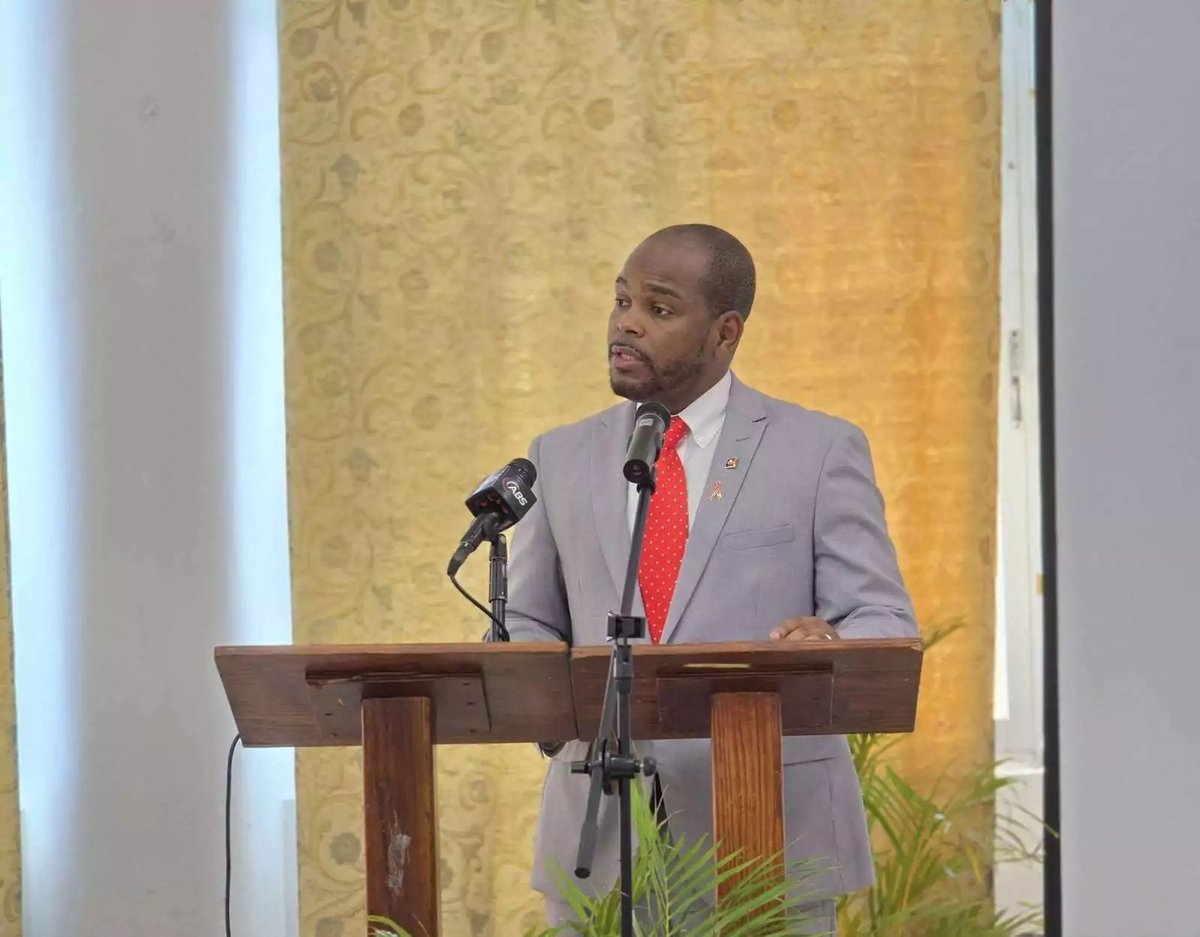
Senator Michael Freeland, Deputy Chairman of the Antigua and Barbuda Festival Commission, defended the Commission board's record in the Senate on Tuesday, arguing that the new festivals legislation became necessary because advice from the board had repeatedly been ignored by the ministry's administrative office.
According to Antigua.news, the Antigua and Barbuda Festivals Commission Bill 2026 passed the Senate with Freeland, who has served as deputy chair for three years, pointing to a breakdown in the relationship between the Commission board and the permanent secretary's office as the driving force behind the legislation.
"When the Festivals Committee meets and gives advice to the ministry for execution, and that advice goes unnoticed because the office decides that they know more than the commission, this is why we're here, because things fall apart," Freeland told the Senate.
Freeland also confirmed on the record that three years of requests for audited accounts had gone unanswered. "Based on numerous requests to have audits, the last three years we have not seen one," he said, adding that a newly appointed permanent secretary had since initiated an audit, which he expected to be tabled at a future sitting.
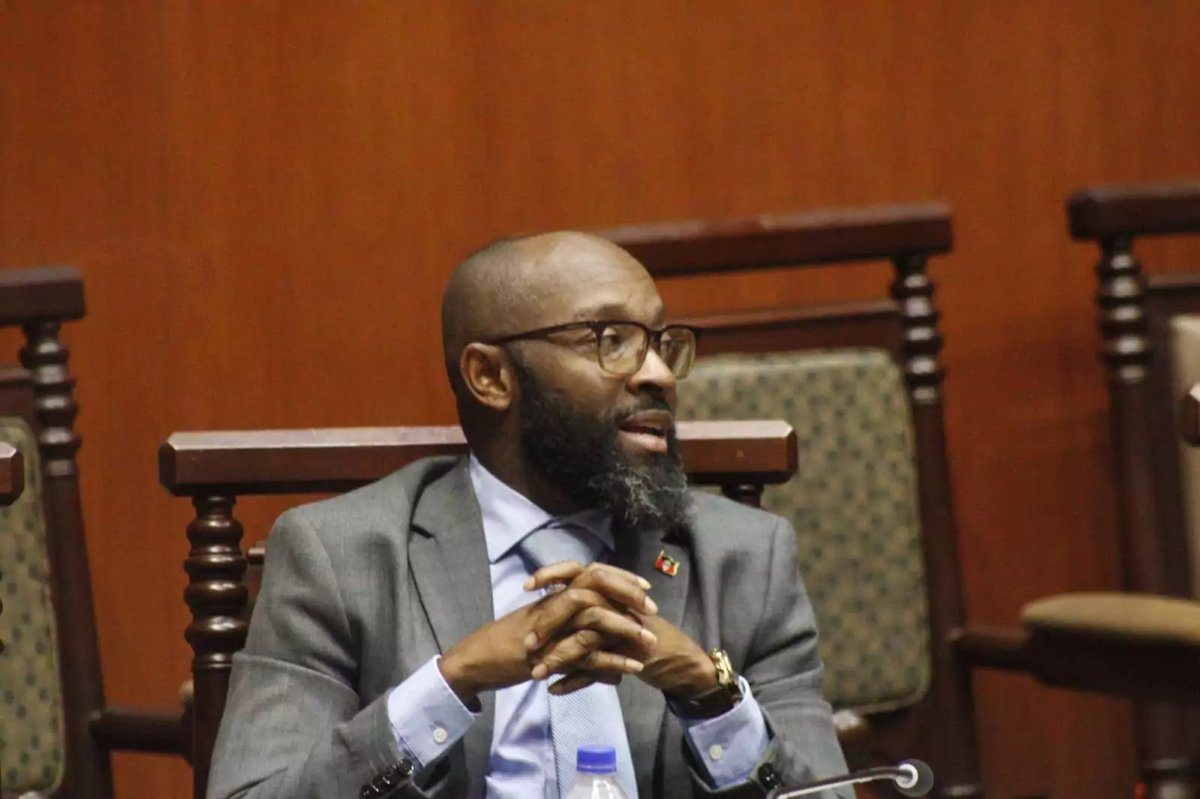
His defence came amid opposition from Minority Senator David Massiah, who withheld his support and argued the legislation was being rushed through without adequate stakeholder consultation. Massiah also alluded to recent upheavals within the existing festivals structure.
"There needs to be a bit more brainstorming and not rush to the process, because we don't want to then come here, [pass the bill], and then we have to come back to amend it within a short space of time," Massiah said.
The Senate debate followed a more contentious confrontation in the House of Representatives days earlier, where Opposition Leader Jamale Pringle was ejected from the chamber. Pringle had argued the bill failed to adequately address long-standing concerns about accountability, record-keeping and the handling of funds within the festivals system.
At the centre of that confrontation was a six-page letter written by Permanent Secretary Sharon Stevens to the Prime Minister. In it, Stevens raised concerns about financial misconduct, unauthorised expenditure, and contracts signed in her name without her knowledge, directing those allegations at those responsible for the Festivals Commission.
Among the specific claims, Stevens stated that $132,445.35 generated through the Ticketing App system was unaccounted for. She also alleged that a contract for an artist was signed on her behalf without her knowledge — which she described as fraud — and that her name appeared in another artist's contract without her approval, an act she characterised as an indictable offence.
Freeland disputed the significance of those concerns in the Senate, stating that no Commission board members held signatory authority over Commission accounts. He also questioned the nature of the document itself.
"That is not a report. That is somebody venting out of bitterness and anger," he said.
The bill formally establishes the Festivals Commission as a statutory body corporate, granting it powers to contract, collect revenue, license festival branding and manage a dedicated Commission Fund.