Eight young members of the IHO Nature Rangers have completed a hands-on birdwatching and wetland ecology training session at McKinnons Wetlands, gaining practical skills to support conservation efforts across Antigua and Barbuda. According to Antigua News Room, the training was delivered in partnership with Pelican Safaris and introduced participants to bird identification, wetland ecology, and the growing potential for community-based ecotourism.
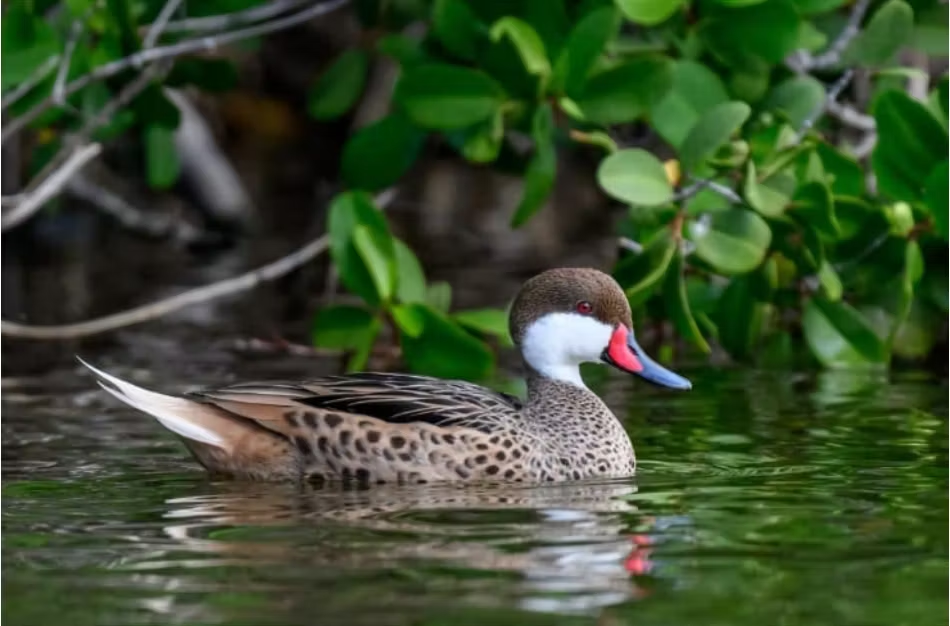
During the field session, participants explored the ecological significance of the McKinnons Wetlands ecosystem, observing a variety of bird species including herons, egrets — locally known as "garlins" — West Indian whistling ducks, mangrove cuckoos, and pelicans, commonly referred to in Antigua and Barbuda as "booby." The wetlands were identified as an accessible gateway to similar birdlife found in the North East Marine Management Area (NEMMA), a key biodiversity area.
Renowned photographer Christine Andrews guided the group in spotting birds and observing wildlife behaviour throughout the session. She shared birdwatching techniques, provided expert species identification, and encouraged participants to embrace the values of patience, observation, and documentation as essential tools in conservation work.
The training also surfaced pressing environmental concerns. While travelling along the narrow strip connecting the Old Runaway and Yorks communities, participants observed evidence of illegal dumping and marine debris accumulation. The presence of waste within the sensitive wetland system alarmed both youth and facilitators, underscoring the urgent need for stronger community awareness and responsible waste management practices. Discussions on potential project ideas for the area have since begun and are currently in development.
Project Manager Britney McDonald delivered an educational overview of the mangrove species found within the wetlands, explaining their role in protecting coastlines, supporting marine life, and filtering pollutants. She also demonstrated the visible tidal changes within the wetland system, highlighting how water levels and ecosystem conditions shift between Antigua and Barbuda's rainy and dry seasons.
"The wetlands are living systems that respond to the seasons and to human activity," McDonald said during the session. "Understanding how these ecosystems function helps young people see both the opportunities for conservation and the threats they face."
The training forms part of the IHO Nature Rangers' broader efforts to build youth capacity in environmental stewardship, biodiversity monitoring, and community conservation. The programme combines ecological learning with field-based experiences to encourage young people to become active guardians of Antigua and Barbuda's natural ecosystems. Details on future training opportunities are available on the IHO Nature Rangers Facebook Page.
The activity is part of the "Strengthening Conservation Actions in the North East Management Area, Antigua and Barbuda" project, led by the IHO Nature Rangers. The project is funded by the Critical Ecosystem Partnership Fund and the World Bank, with implementing support from the Caribbean Natural Resources Institute and partner organisation Integrated Health Outreach.