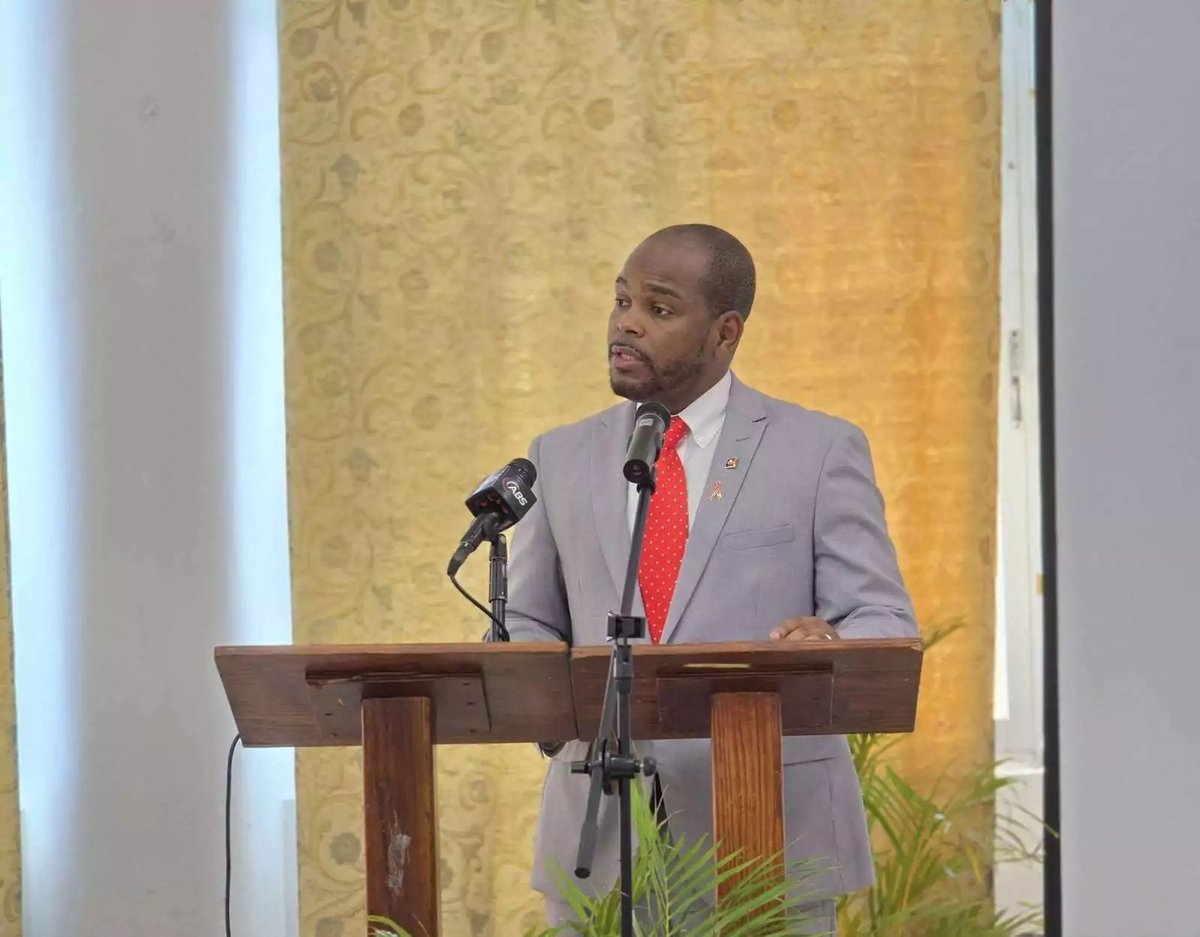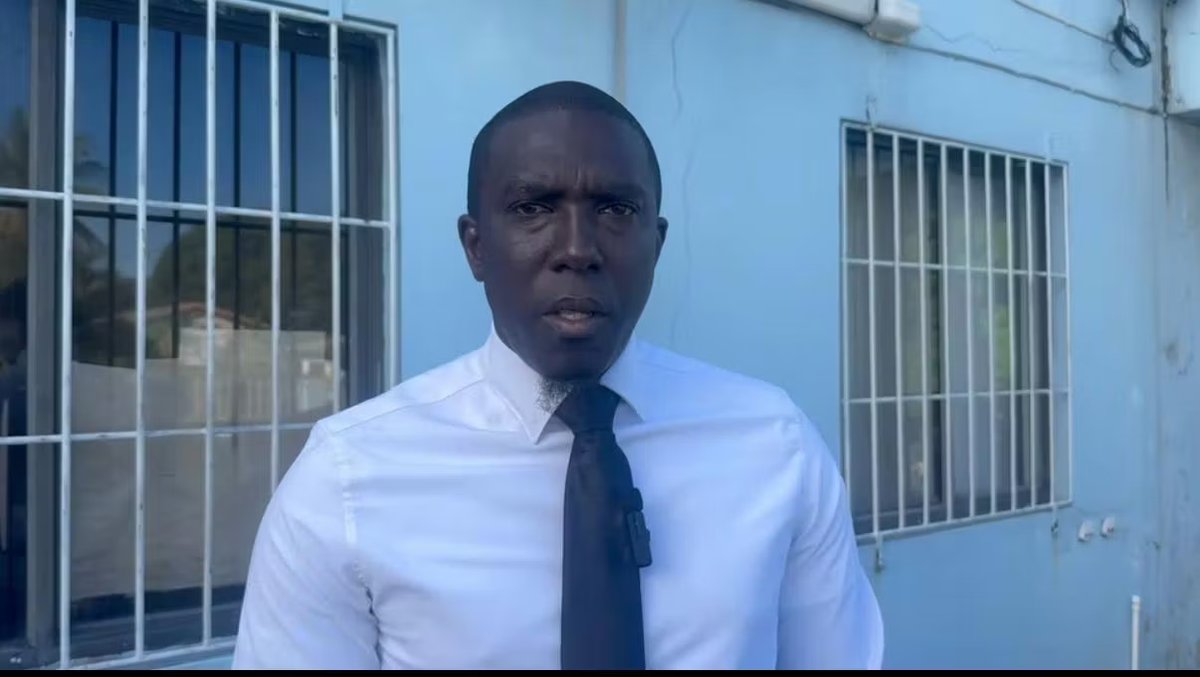
A quiet but significant crisis is unfolding within the United Progressive Party, according to Antigua News Room — one that is testing the organisation's unity and raising serious questions about its electoral prospects.
As reported by Antigua News Room, Opposition Leader Jamale Pringle had, by multiple accounts, already resolved to step down from the leadership position. Internal polling had reportedly painted a bleak electoral picture, and Pringle was prepared to make way in what was seen as a strategic move to stabilise the party.
The decision, however, did not hold.
Ambition and hierarchy clashed internally, and before any consensus could be reached, the matter was leaked — exposing the party's private deliberations to public scrutiny. The fallout was swift.
Pressure mounted from grassroots supporters and party insiders who warned that a leadership change could prove more damaging than beneficial — not merely a loss of position, but a potential threat to the party's survival. Faced with that resistance, Pringle reversed course and chose to remain.
But the episode has left its mark. Confidence within the party has visibly eroded, and questions about direction, leadership effectiveness, and electoral viability are now being asked more openly than before. The internal tension, while not always expressed publicly, is being felt throughout the organisation.
The UPP now faces a critical juncture — balancing loyalty against pragmatism, and unity against the risk of deeper fracture. How the party navigates this moment may well determine not only its performance at the next election, but the very character of the organisation going forward.