The government is set to launch a tissue culture laboratory designed to revitalise the Antigua black pineapple industry and strengthen local agricultural output, Agriculture Minister Anthony Smith Jr. announced. According to Antigua News Room, the facility will enable the country to produce disease-free planting material domestically, reducing dependence on overseas laboratories and accelerating crop expansion.
"One of our challenges… is we didn't have our own tissue culture lab here," Smith said, noting that planting material previously had to be sent abroad for propagation.
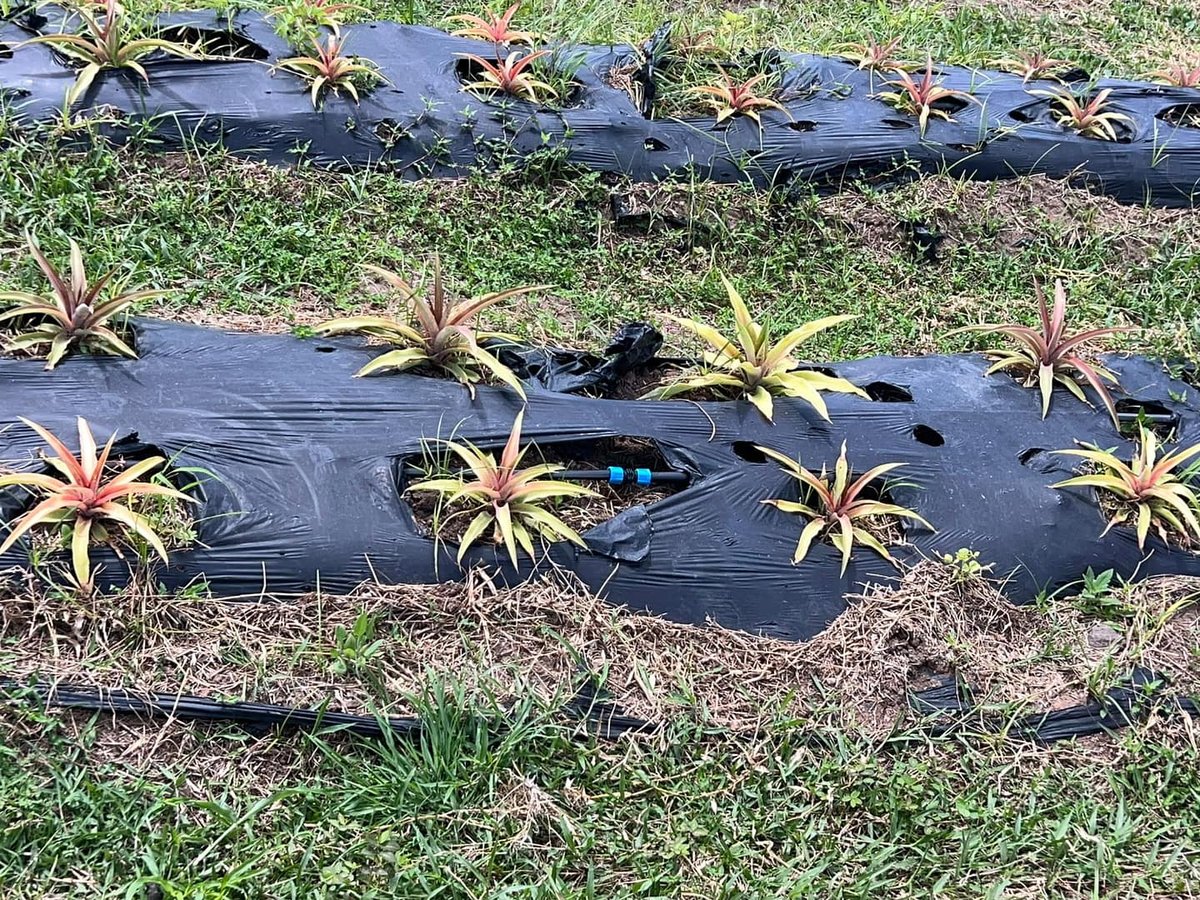
The new lab is expected to support a significant increase in pineapple production, with tens of thousands of plants already in circulation. Smith said the initiative began with an initial batch of 15,000 plants, with ambitions to scale considerably higher.
"We would have started with our first batch of 15,000… and our aim is to bring in 100,000 from that tissue culture lab," he said.
Additional shipments are already en route, and long-term targets are even more ambitious. "We actually have another 15,000 on the way… we want to plant up until we get to about just about 200,000," the minister added.
The facility has experienced a minor delay from its originally scheduled opening but is now nearing completion. "We were supposed to open it this month, but we would have postponed the launch till next month," Smith confirmed.
The minister described the lab as a landmark development for the agricultural sector, emphasising the role of science in improving crop quality and productivity. "It's where science meets agriculture… and I think that is extremely important," he said.
While the Antigua black pineapple holds export potential, Smith indicated that satisfying domestic demand remains the immediate priority, as the country continues its broader efforts to reduce food imports and bolster national food security.