Dear Editor,
Antigua and Barbuda's creative sector remains one of the country's most underutilized national assets. For decades, culture has shaped the nation's identity, powered its festivals, and carried its voice across the Caribbean. Yet today, many stakeholders are raising a difficult but necessary question, according to Antigua News Room: what tangible impact have Cultural Ambassadors such as Claudette Peters, Tian Winter, King Short Shirt, and King Obstinate made in preserving, promoting, and packaging the industry for the future?
These icons are undisputed legends whose contributions to Antigua and Barbuda's musical heritage are immeasurable. Their work helped define eras, inspire generations, and place Antiguan and Barbudan culture on regional stages. However, cultural ambassadorship must extend beyond recognition of past excellence. It must function as a living institutional role tied to strategy, mentorship, export development, and youth engagement.
At present, there is limited evidence of structured programmes led by Cultural Ambassadors that actively develop emerging artists, expand international market access, support creative entrepreneurship, mentor vulnerable youth, or strengthen Antigua and Barbuda's cultural export pipeline. As a result, the national cultural space appears dormant rather than dynamic.
Cultural ambassadorship cannot simply be ceremonial. It must be developmental. If Antigua and Barbuda is serious about positioning culture as an economic pillar, the role must evolve from honorary recognition into a results-driven national cultural strategy tool.
A Strategic Model: The Masicka Proposal
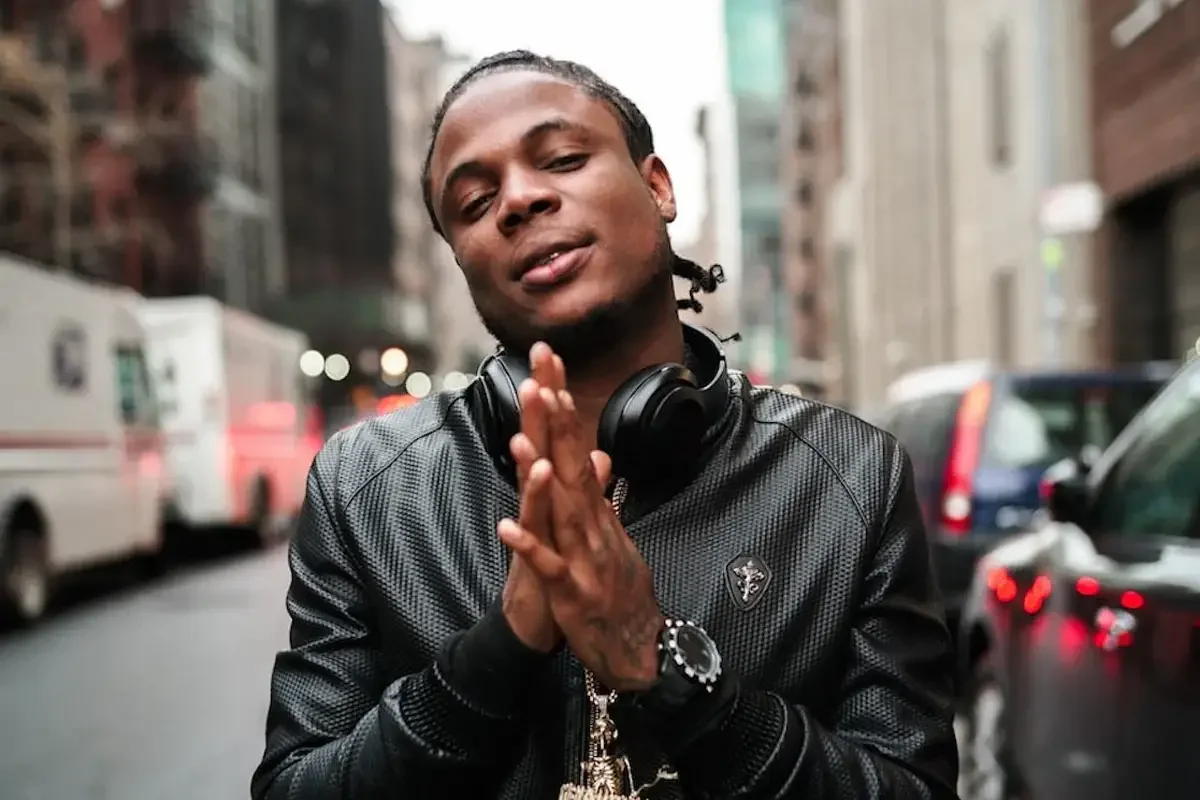
A recent proposal recommending the appointment of internationally recognized Jamaican artist Javaun Nicholas Fearon, known as Masicka, introduces a new framework for what cultural ambassadorship could look like in practice. Unlike traditional symbolic appointments, the proposal outlines measurable deliverables, including mentorship of three Antiguan and Barbudan artists in Jamaica, exposure to producers, labels, and touring environments, songwriting and performance training, youth intervention workshops targeting at-risk communities, national youth forums focused on creative entrepreneurship, and structured Caribbean creative exchange partnerships.
Importantly, the initiative positions music as a tool for economic participation, identity development, and crime prevention — aligning cultural policy directly with youth transformation goals. This represents a shift from celebration of legacy to activation of opportunity.
Learning From Legacy While Building the Future
None of this diminishes the historic contributions of Antigua and Barbuda's cultural pioneers. King Short Shirt and King Obstinate helped shape the Calypso tradition that still anchors the national identity. Claudette Peters expanded the reach of Antiguan soca internationally. Tian Winter energized a new performance generation.
However, the question facing policymakers today is not whether these artists deserve recognition — they unquestionably do. The question is whether cultural ambassadorship, as currently structured, is advancing the next generation.
A modern cultural strategy must include youth training pipelines, export-ready branding support, digital distribution readiness, regional partnerships, structured mentorship frameworks, and measurable cultural-industry outcomes. Without these components, appointments risk remaining symbolic rather than transformational.
Moving From Dormancy to Direction
Across the Caribbean, countries that successfully export culture treat creative industries as economic infrastructure. Jamaica's music ecosystem, for example, thrives because of mentorship networks, producer pipelines, and international collaboration pathways. Antigua and Barbuda must adopt a similar approach if it intends to compete regionally.
Strategic cultural ambassadorship should connect youth to opportunity, strengthen industry institutions, create regional exchange platforms, and position Antigua and Barbuda as a creative hub. The Masicka initiative demonstrates how partnerships beyond national borders can accelerate local talent development while strengthening Caribbean cultural diplomacy.
A Call for a New Cultural Framework
Antigua and Barbuda stands at a crossroads. The country's cultural legacy is strong, but legacy alone cannot sustain a modern creative economy. The nation must now decide whether Cultural Ambassadors will remain honorary titles — or become engines of national cultural transformation.
If the goal is to take young people forward, then the time has come to move from recognition to strategy, from symbolism to structure, and from dormancy to development. The future of Antigua and Barbuda's creative industries depends on it.