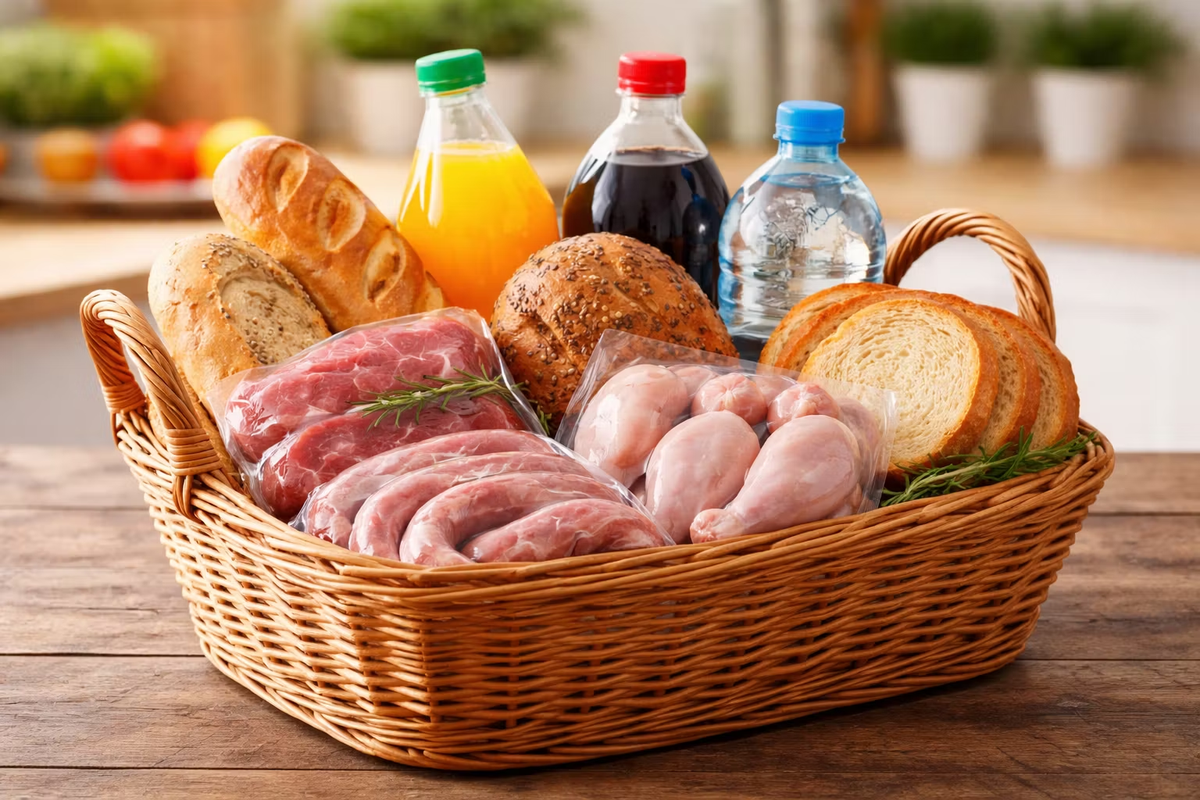
Declines in the cost of meat, bread and non-alcoholic beverages drove inflation lower in February, offering consumers some relief amid mixed price movements across the broader economy.
According to Antigua News Room, the Consumer Price Index (CPI) fell 0.8 percent in the 12 months ending February 2026, based on figures from the National Bureau of Statistics. Food prices were a key driver of the decline, with several staple categories recording notable decreases.
Meat and meat products dropped by 3.6 percent over the year, while bread and cereals declined by 1.3 percent. Non-alcoholic beverages also fell sharply — down 3.3 percent — reflecting lower prices for soft drinks, mineral water and juices.
The broader food index declined by 0.8 percent year-on-year, with five of the nine major supermarket food groups recording decreases. Fruit prices fell by 11.8 percent and vegetables by 3.8 percent, further easing grocery costs for households.
Not all food categories moved in the same direction, however. Fish and seafood prices rose by 12.3 percent over the year, while milk, cheese and eggs increased by 0.5 percent, underscoring uneven trends within the food sector.
On a monthly basis, the CPI edged up 0.2 percent in February, following a sharp 1.9 percent drop in January. The overall food index held steady month-to-month, though price movements within individual categories remained mixed, with declines in meat and bread offsetting increases in vegetables and seafood.
The latest figures indicate that falling prices for everyday grocery staples continue to play a central role in easing inflationary pressure, even as price increases in other areas of the economy keep the overall picture uneven.