United States military forces have carried out another lethal strike on a vessel in Caribbean waters, killing four men designated as narco-terrorists — a development that is stoking fear and uncertainty across the region, according to Antigua.news.
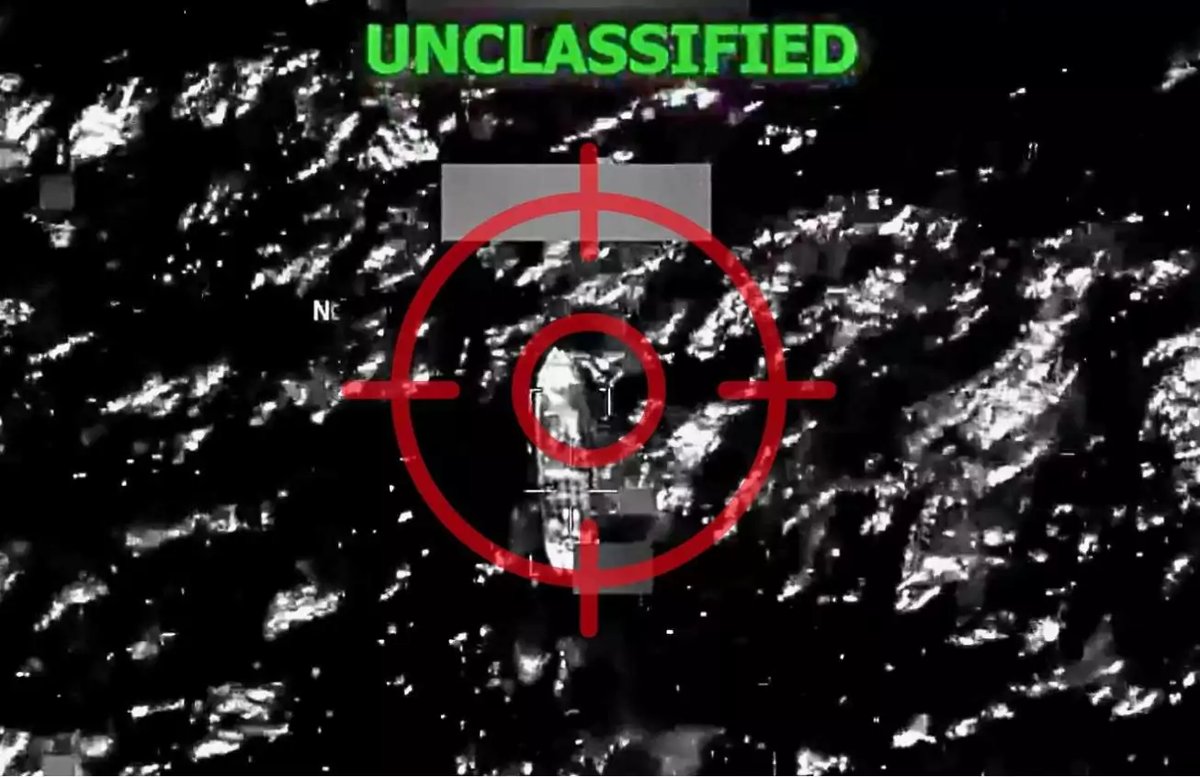
Joint Task Force Southern Spear, operating under U.S. Southern Command, conducted what it described as a "lethal kinetic strike" on March 25 against a vessel it says was operated by designated terrorist organisations. In a social media post, SOUTHCOM stated: "On March 25, at the direction of #SOUTHCOM commander Gen. Francis L. Donovan, Joint Task Force Southern Spear conducted a lethal kinetic strike on a vessel operated by Designated Terrorist Organizations. Intelligence confirmed the vessel was transiting along known narco-trafficking routes in the Caribbean and was engaged in narco-trafficking operations. Four male narco-terrorists were killed during this action. No U.S. military forces were harmed."
The strike brings the total death toll from U.S. military boat strikes to at least 163 since September, with CBS News reporting that 47 boats have been targeted across the Caribbean and eastern Pacific. The United States has not publicly provided evidence of drug trafficking linked to the vessels struck.
Critics argue that this absence of transparency raises serious questions about the legality of the operations. The United Nations and other international organisations are calling for comprehensive investigations to determine whether the strikes comply with international law.
The March 25 incident follows a missile strike on February 13 that destroyed a fishing vessel near St. Lucia and St. Vincent and the Grenadines, killing everyone on board. U.S. officials said that vessel was also linked to narco-terrorists. Witnesses in Canouan, a Grenadian island near the blast site, reported both seeing and hearing the explosion, which occurred around 2:00 p.m. that Friday afternoon.
The strikes have had a chilling effect on fishing communities throughout the southern Caribbean, with fishermen now reluctant to venture out to sea.
In Antigua and Barbuda, the situation has generated particular anxiety. Three fishermen from Urlings remain missing as of today. While no evidence links their disappearance to the naval strikes, the continued use of unilateral U.S. military force in nearby waters has fuelled speculation and concern among local communities.
The legal framework underpinning the U.S. operations stems from several interconnected pieces of legislation. The Antiterrorism and Effective Death Penalty Act, signed on April 24, 1996 and later updated following the September 11 attacks, grants the Secretary of State authority to designate Foreign Terrorist Organizations. On December 15, 2025, President Donald Trump issued an order classifying illicit fentanyl and its key precursor chemicals as weapons of mass destruction. By framing the synthetic opioid crisis as a national security threat, the U.S. government gained broader authority to act against groups linked to drug trafficking, now treating them as terrorist organisations.
Nevertheless, the strikes have intensified debate over where national security ends and the protection of human rights begins. Political tensions across the Western Hemisphere have risen sharply, with many governments and observers questioning the diplomatic wisdom of Washington's approach.
For Antigua and Barbuda and its Caribbean neighbours, the path forward remains unclear. Small island nations have limited recourse against the unilateral actions of a major military power, and the ripple effects — on daily life, community wellbeing, and the livelihoods of fishermen in particular — may prove significant.