The United Nations General Assembly has voted to recognise the enslavement of Africans during the transatlantic slave trade as "the gravest crime against humanity." According to Antigua News Room, the landmark resolution also urges member states to consider apologising for the slave trade and contributing to a reparations fund, though no specific monetary amount is specified.
The proposal, put forward by Ghana, passed with 123 votes in favour and three against. The United States, Israel, and Argentina voted in opposition. Fifty-two countries abstained, including the United Kingdom and European Union member states.
"Let it be recorded that when history beckoned, we did what was right for the memory of the millions who suffered the indignity of the slave trade and those who continue to suffer racial discrimination," Ghana's President John Mahama told the assembly ahead of the vote. "The adoption of this resolution serves as a safeguard against forgetting. It also challenges the enduring scars of slavery."
Ghana's Foreign Minister Samuel Okudzeto Ablakwa told the BBC's Newsday programme: "We are demanding compensation – and let us be clear, African leaders are not asking for money for themselves. We want justice for the victims and causes to be supported, educational and endowment funds, skills training funds."
The push for reparations has gained considerable momentum in recent years. Reparatory justice was the African Union's official theme for 2025, and Commonwealth leaders have jointly called for dialogue on the matter. The resolution, backed by the African Union and the Caribbean Community, states that the consequences of slavery persist in the form of racial inequalities and underdevelopment "affecting Africans and people of African descent in all parts of the world."
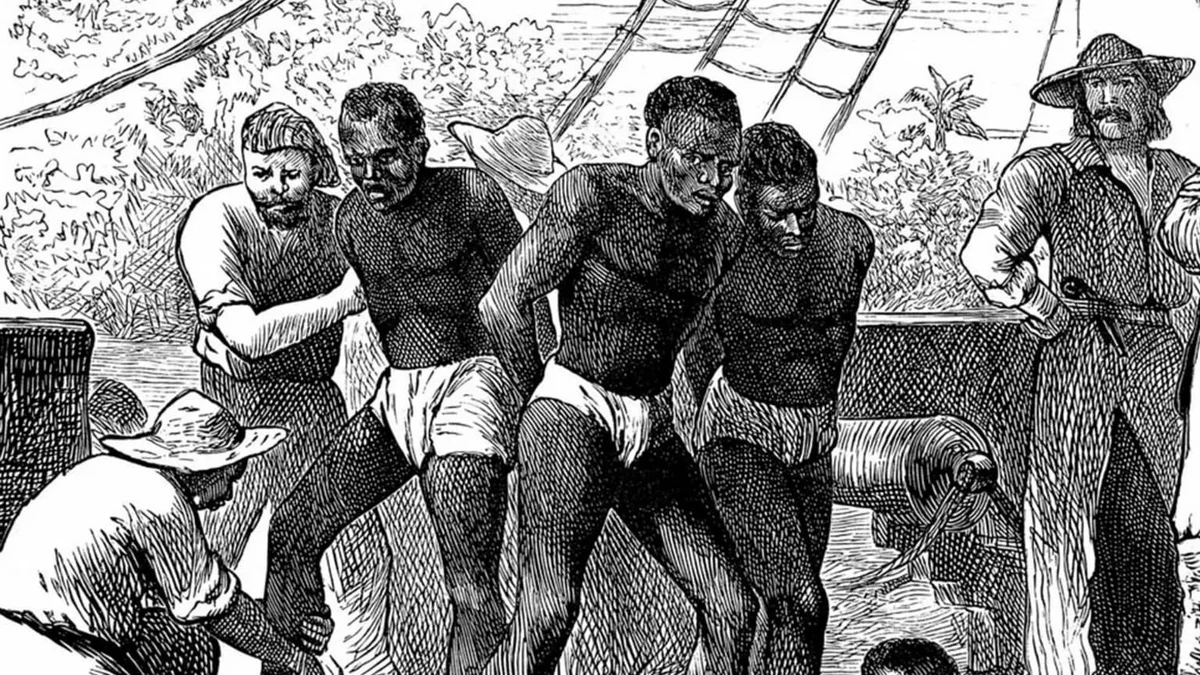
Between 1500 and 1800, approximately 12 to 15 million people were captured in Africa and transported to the Americas, where they were forced into slavery. It is estimated that more than two million people died during the journey.
Ablakwa told the BBC: "Many generations continue to suffer the exclusion, the racism because of the transatlantic slave trade which has left millions separated from the continent and impoverished."
Unlike UN Security Council resolutions, those passed by the General Assembly are not legally binding, though they carry significant moral and political weight on the world stage.
The United Kingdom, one of the major powers involved in the transatlantic slave trade, acknowledged the harm caused to millions of people. However, its UN Ambassador James Kariuki argued the resolution was problematic in terms of its wording and international law. "No single set of atrocities should be regarded as more or less significant than another," he said.
The US ambassador echoed similar concerns, stating that his country "does not recognise a legal right to reparations for historical wrongs that were not illegal under international law at the time they occurred." Ambassador Dan Negrea also objected to what he called the "cynical usage of historical wrongs as a leverage point to reallocate modern resources to people and nations who are distantly related to the historical victims."
Negrea additionally responded to President Mahama's criticism of the Trump administration for "normalising the erasure of black history," asserting that President Trump had done "more for black Americans than any other president."
Since returning to power, Trump has targeted American cultural and historical institutions for promoting what he describes as "anti-American ideology." His executive orders have led to moves including the restoration of Confederate statues and an attempt to dismantle a slavery exhibit in Philadelphia.
Ghana has long been a leading advocate for reparations. Forts along the West African country's coast, where tens of thousands of enslaved Africans were once held under inhumane conditions, still stand today as stark reminders of the trade.
The resolution also calls for the return of cultural artefacts taken during the colonial era. "We want a return of all those looted artefacts, which represent our heritage, our culture and our spiritual significance," Ablakwa said. "All those artefacts looted for many centuries into the colonial era ought to be returned."