Dear Editor,
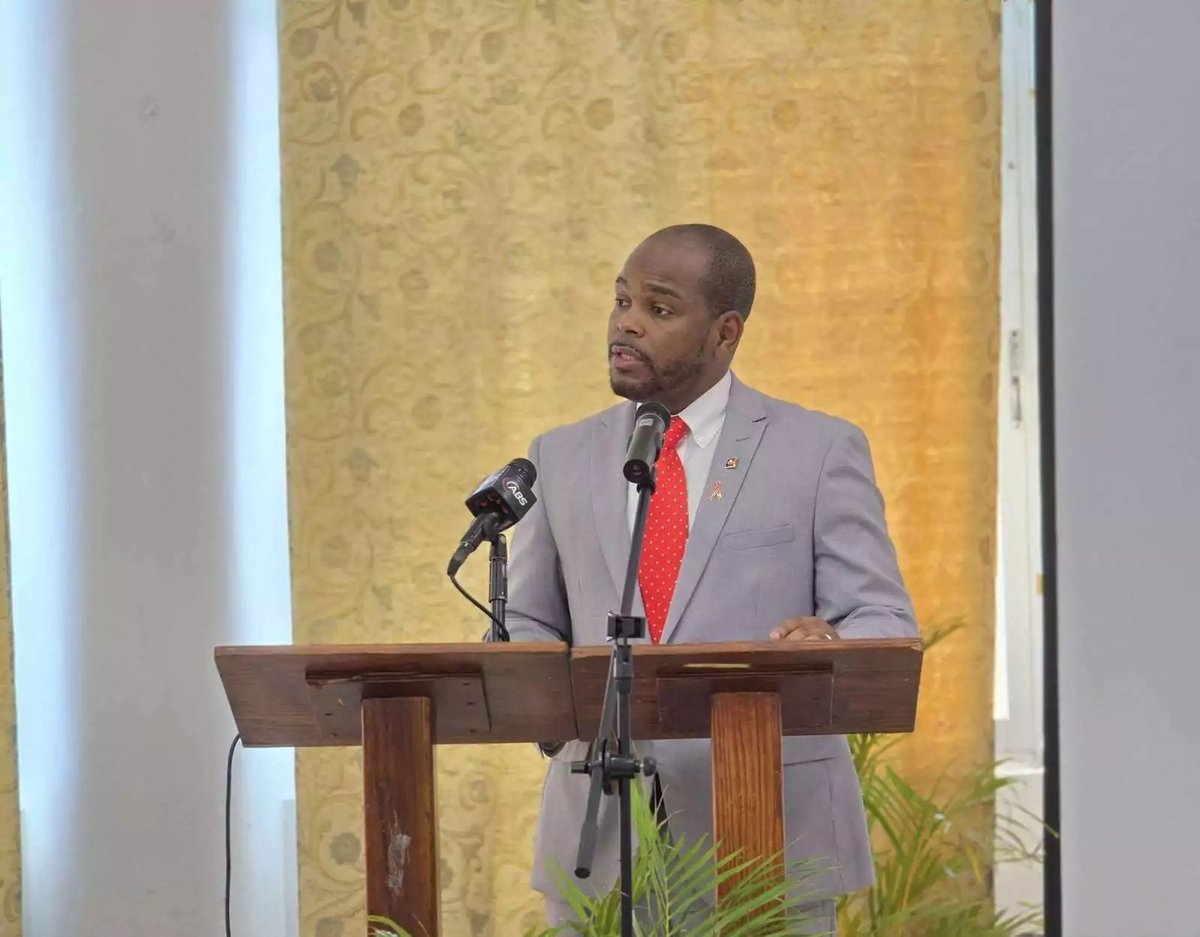
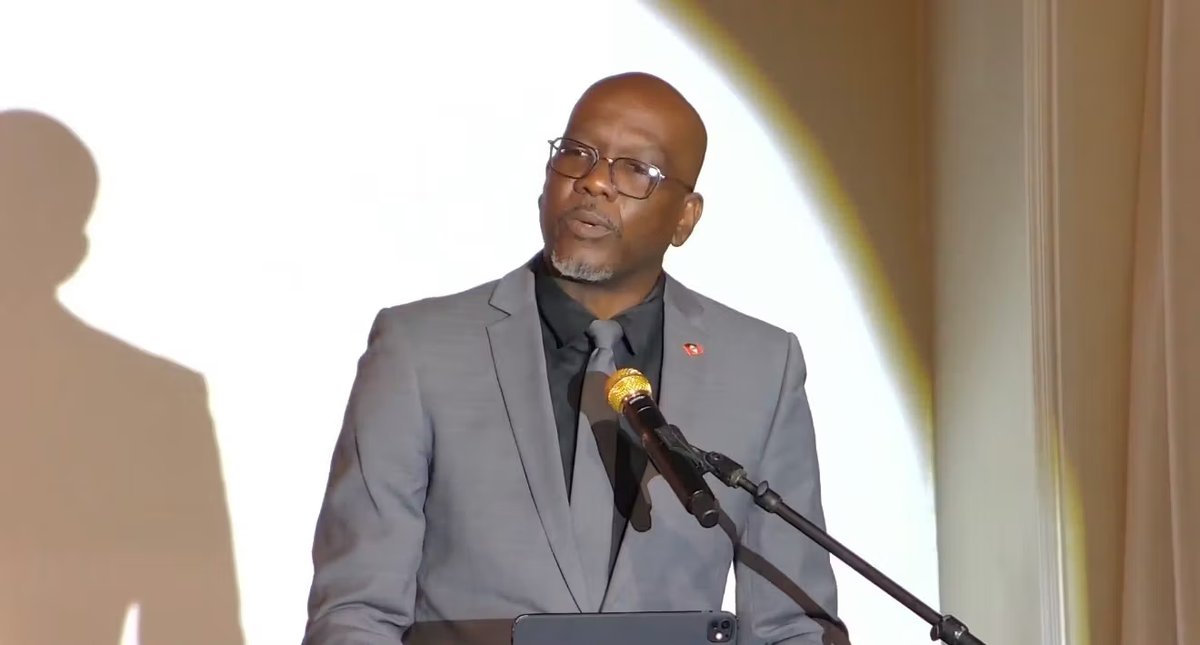
As a follow-up to my previous letter concerning the appointment of Massika as Cultural Ambassador, I am compelled to address the performance of the Minister of Creative Industries and Sports. According to Antigua News Room, the letter was submitted by Dianne Peters, who raises pointed questions about the direction of leadership in the creative and sporting sectors. What use is a Minister of Creative Industries and Sports who is not solution-oriented? What purpose does leadership serve if it is defined more by optics than outcomes? These are questions many citizens are now being forced to confront.
Creative industries and sports demand builders — leaders committed to development, inclusion, and long-term progress — not individuals preoccupied with photo opportunities, ribbon cuttings, and ceremonial appearances. While public visibility is an expected part of political life, it cannot substitute for the hard, often unglamorous work required to uplift artists, athletes, and young people.
The mandate of a Minister of Creative Industries and Sports is clear: to protect and grow our cultural heritage, to strengthen Carnival, to support local artists, and to invest meaningfully in athletes who represent the nation. Yet what we are witnessing instead is a troubling departure from that responsibility. The reduction of Carnival subsidies has effectively excluded many schoolchildren and young participants from mas, transforming what should be a unifying cultural expression into an activity increasingly reserved for those who can afford escalating costume costs.
At the same time, disproportionate spending on foreign acts — where single performers are reportedly paid more than the combined prize pools of key local competitions — raises serious questions about priorities. Local artists, who sustain the creative industries year-round, deserve more than symbolic recognition. They deserve tangible investment and institutional support.
The situation within sports is equally concerning. Rather than advocating for increased funding and structural development, the prevailing response appears to shift responsibility onto athletes and associations, urging them to "raise their profile" despite clear resource constraints. This approach does not reflect leadership — it reflects abdication. Athletes require backing, infrastructure, and strategic investment, not lectures.
Even more troubling is the emergence of a divisive posture within the sector. Instead of fostering unity across disciplines, there have been instances where certain sports are singled out in a manner that undermines cohesion. A Minister of Sports should serve as a unifier — bridging gaps, resolving disputes, and aligning stakeholders toward a shared vision of national development. Where there is impasse, leadership must bring clarity and consensus, not deepen division.
The consequences of this approach are evident: fractured associations, inconsistent support, and a lack of coordinated progress. Opportunities to build a stronger, more cohesive sporting culture are being lost — not because of a lack of talent or potential, but because of insufficient leadership.
It is important to acknowledge that photo opportunities have their place. They can celebrate achievement, mark milestones, and highlight progress. However, such moments must be grounded in substance. A ribbon cutting should follow the completion of a long-promised facility. A ceremony should coincide with meaningful funding or restored access for young participants. Visibility should be the byproduct of delivery — not a substitute for it.
When optics replace results, the public is left with little more than staged appearances and unfulfilled promises. Leadership must ultimately be measured not by visibility, but by impact — by the extent to which policies improve lives, expand opportunities, and strengthen national institutions.
A Minister without solutions is, in essence, a Minister without purpose. The people deserve more than performance; they deserve progress.
Dianne Peters