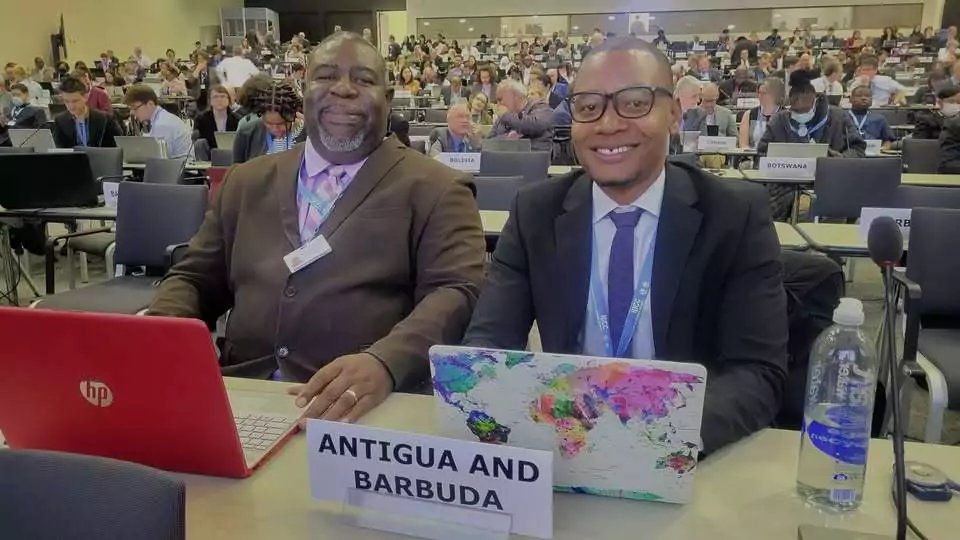
Antigua and Barbuda is making its presence felt on the world stage as national representatives attend the 64th Session of the Intergovernmental Panel on Climate Change (IPCC-64) in Bangkok, running from March 24 to 27.
According to Antigua.news, the country is represented at the talks by Orvin Paige of the Meteorological Department and Arry Simon of the Department of Environment, as delegates engage in critical discussions on the future of global climate reporting and coordinated action.
The Bangkok session follows unresolved disagreements at the previous IPCC meeting in Lima, where member nations failed to reach consensus on timelines for key climate reports. For vulnerable nations, that failure carries serious consequences.
For small island developing states like Antigua and Barbuda, delays in climate reporting go beyond administrative inconvenience. They directly affect planning, disaster preparedness, and long-term national survival. Rising sea levels threaten coastal communities and the tourism infrastructure that underpins the economy, while increasingly intense storm systems place mounting pressure on the country's limited resources.
A central issue on the agenda is climate financing — an area where small island states continue to face persistent and significant obstacles. Complex application processes, limited technical capacity, and rigid funding criteria have made it difficult for countries like Antigua and Barbuda to access the international support they urgently require.
Even when funding is successfully secured, slow disbursement and drawn-out implementation processes frequently delay critical adaptation projects, including coastal defenses, water security systems, and resilient infrastructure development.
Delegates at IPCC-64 are also addressing funding shortfalls within the IPCC itself, raising broader concerns that inadequate financial backing could undermine both global climate science and local adaptation efforts in the countries most exposed to climate risk.
The outcomes of the Bangkok meeting are expected to shape preparations for COP31, where pressure is intensifying for stronger international commitments and more accessible financing mechanisms.
For Antigua and Barbuda, the priority is unambiguous: ensuring that decisions made in international forums translate into concrete, timely support for nations standing on the frontlines of the global climate crisis.