By Petra Williams
A growing sentiment is taking hold among young people across the nation: 'Both parties are the same, so what's the point?' According to Antigua News Room, this opinion piece argues that while such frustration is understandable, withdrawing from the electoral process entirely risks doing more harm than good — not only to the country, but to the very generation that will inherit its future.
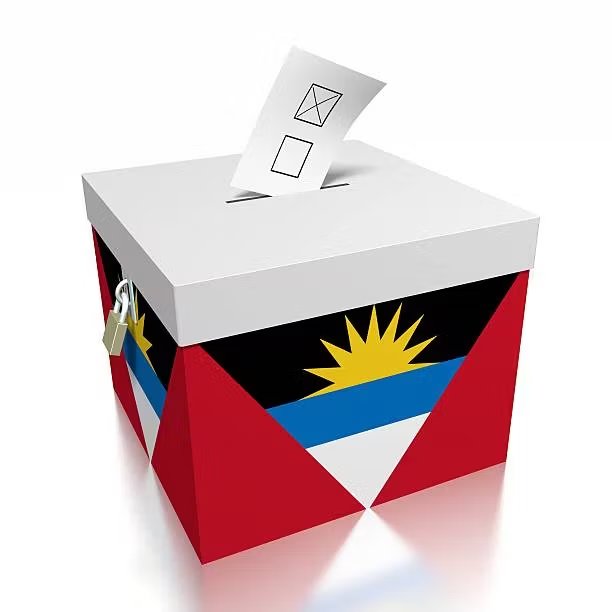
Participation in general elections is about far more than choosing between two political organisations. It is about influencing the direction of national development, shaping policy priorities, and ensuring that the concerns of young people are not sidelined. Elections represent one of democracy's most powerful equalising forces. Inside the polling station, a young first-time voter holds the same power as a seasoned professional, a business leader, or a political figure. That equality is rare in everyday life and should not be taken lightly.
When young people choose not to vote, the system does not pause or reconsider. Decisions are made by those who do participate. Roads are built, budgets are allocated, laws are passed, and opportunities are distributed — with or without youth input. The absence of young voters means policies may not fully reflect their realities, whether on employment, education, entrepreneurship, digital innovation, or the rising cost of living. Silence at the polls does not signal protest as strongly as it signals absence, and absence often leads to exclusion.
The perception that political parties are indistinguishable also warrants scrutiny. While overlaps in national goals and public messaging may exist, differences remain in leadership style, implementation strategies, priorities, and the pace of development. When young people actively participate, they create pressure. They send a clear message that their concerns matter and that their support must be earned, not assumed.
A balanced view recognises that governance is an evolving process. No administration operates perfectly, and no opposition offers flawless alternatives. Governments, however, do respond to engagement. They adapt, refine, and sometimes redirect policies based on electorate feedback. A youth population that is visible, vocal, and present at the polls encourages a more responsive and forward-thinking approach to leadership.
It is also fair to acknowledge that governments often work within real constraints. Economic limitations, global pressures, and unforeseen challenges can slow progress. Yet differences exist in how leadership navigates those obstacles, prioritises development, and invests in the future. Young voters play a critical role in rewarding progress where it exists and demanding improvement where it falls short.
Beyond policy, voting is tied to ownership. It is a declaration that the country's future does not belong exclusively to older generations or political elites, but equally to its youth. Every ballot cast is a statement: 'I am not merely observing the future — I am shaping it.' That sense of ownership is essential in building a society where young people feel connected, responsible, and invested in national outcomes.
History offers a perspective that cannot be ignored. The rights and opportunities that exist today were not secured effortlessly. They were won through participation, persistence, and sacrifice. Previous generations showed up even when conditions were far more challenging, even when they were dissatisfied, and even when change seemed distant. To disengage now risks weakening the democratic foundation built over generations.
Young people must also think beyond the immediate election cycle. Decisions made today will shape the country for years to come — on infrastructure, education, environmental protection, business development, and national security. If young voices are absent from the process today, those long-term decisions will still be made, but without their influence.
Change does not always arrive dramatically or immediately. Sometimes it is gradual. Sometimes it results from consistent pressure over multiple election cycles. And sometimes it begins simply with participation. Each vote contributes to a broader signal that can shift priorities, elevate new leaders, and redefine expectations over time.
For those who remain sceptical, participation need not be viewed as an endorsement of perfection. Voting does not mean agreeing with everything a party represents. It means engaging in the process, making a choice based on available options, and retaining the right to hold leaders accountable afterward. Democracy is not about ideal conditions; it is about continuous involvement despite imperfections.
The reality, ultimately, is straightforward. If young people choose not to shape the future, someone else will shape it for them. The system will move forward, decisions will be made, and leadership will evolve — but the absence of youth voices will leave a noticeable gap in representation.
The question is not whether the system is perfect. The question is whether young people are willing to claim their place within it. Real change is not driven by those who stand on the sidelines. It is driven by those who show up, participate, and insist on being heard.