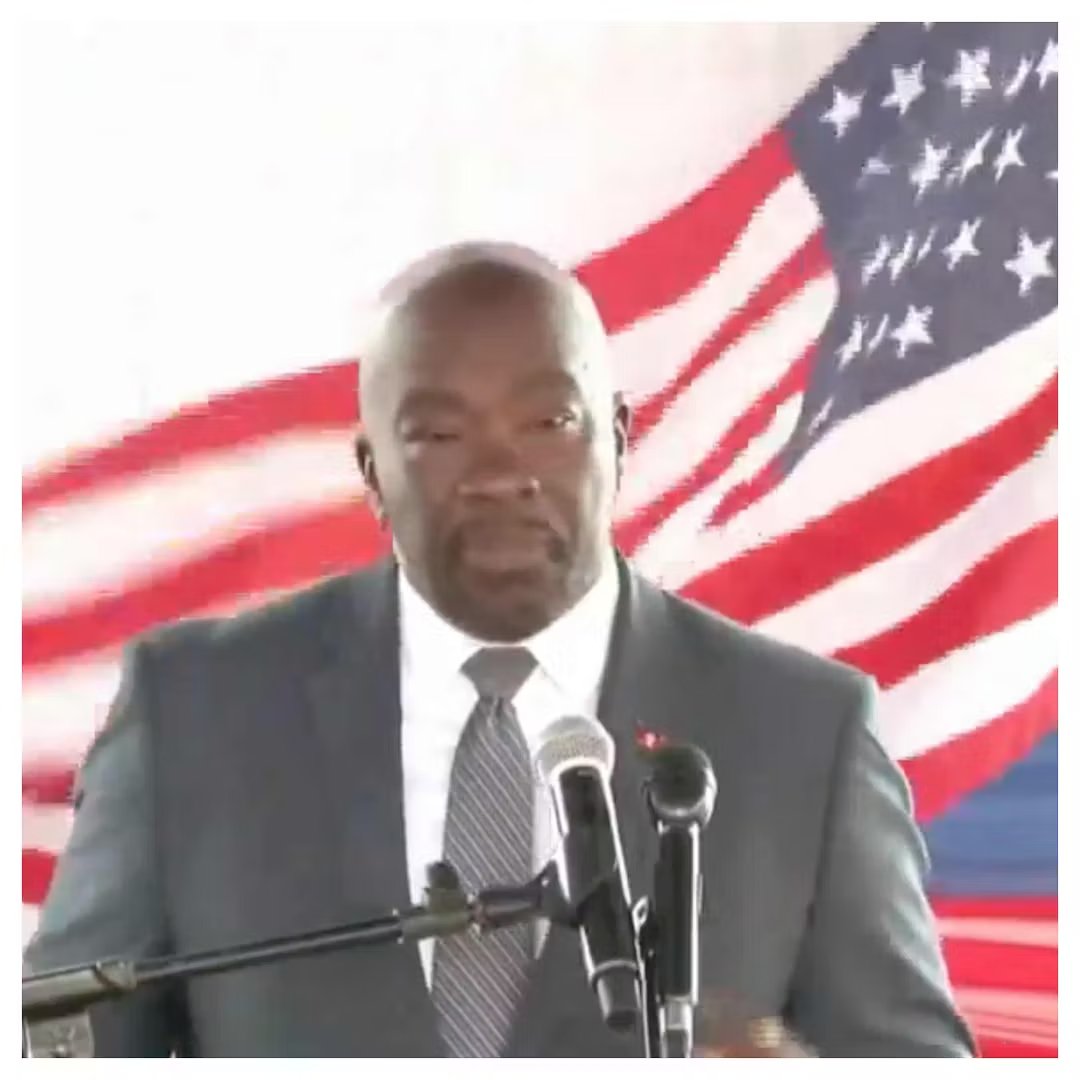
Utilities Minister Melford Nicholas has announced that Antigua and Barbuda is weeks away from activating its long-idled liquefied natural gas facility, with dredging at Crabbs Peninsula approaching completion. According to Antigua News Room, Nicholas made the remarks during an appearance on ABS Television's Monday Meeting with the Minister.
Nicholas said only a small portion of work remains in the turning basin — the designated area for vessel manoeuvring — which is expected to be cleared within five weeks. He indicated that LNG vessels should begin navigating the channel by June, allowing the US$50 million plant to finally enter operation.
The facility was developed through a partnership involving the Antigua Public Utilities Authority (APUA), the Antigua Power Company, and Eagle LNG. Despite being operationally ready, the plant has remained idle due to persistent vessel access issues at the harbour.
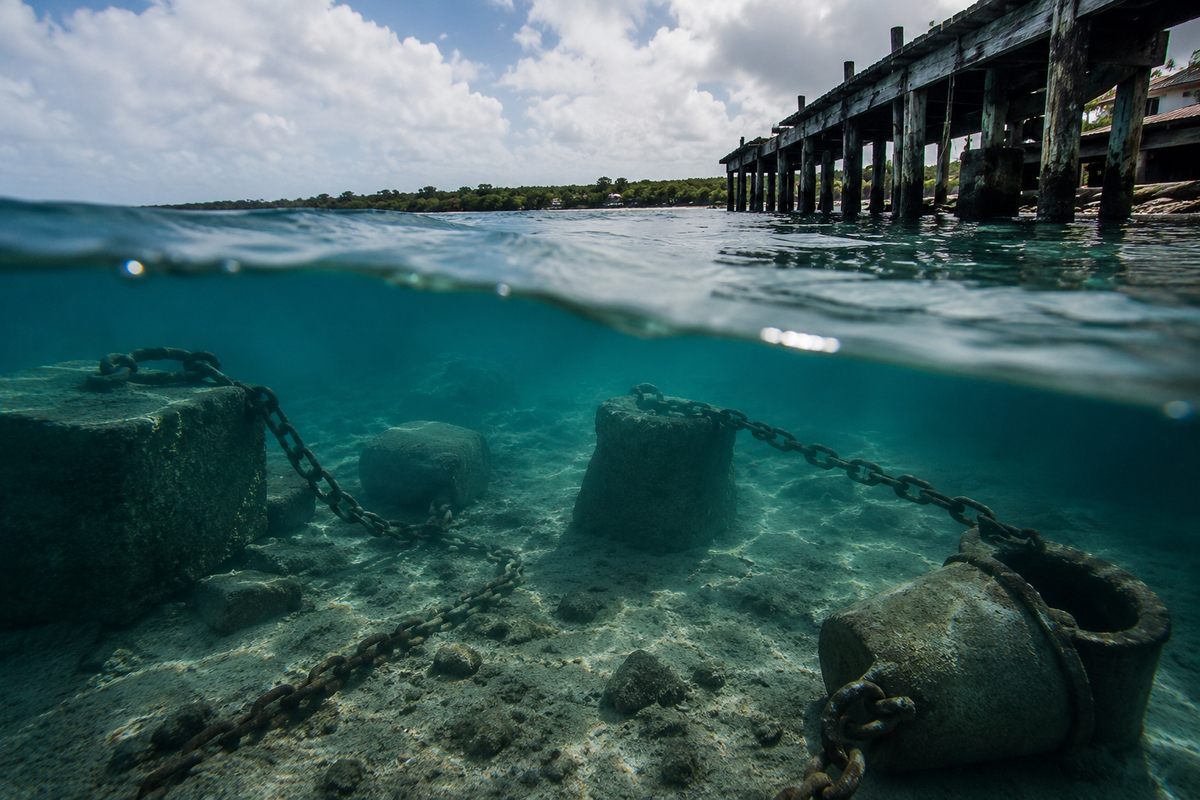
Dredging efforts have been complicated by a rocky seabed, requiring specialised equipment and additional support crews. Contractors have intensified work in recent months to break through the hard material that has slowed overall progress.
Once operational, the 40-megawatt plant is projected to significantly reduce both fuel costs and emissions. Nicholas cited expected annual savings of approximately 25 percent — roughly EC$60 million — drawing comparisons to outcomes achieved through Barbuda's hybrid energy system.
The project carries ambitions beyond domestic energy supply. Plans are in place to position the facility as a regional LNG distribution hub, with the potential to supply neighbouring islands and cruise vessels.
Improved harbour access is also expected to ease persistent shortages in cement supplies by allowing larger cargo ships to dock at Crabbs Peninsula.
Nicholas acknowledged that rising global oil prices have increased urgency around the transition to LNG, noting that APUA is currently absorbing elevated fuel costs in order to keep electricity prices stable for consumers. He cautioned, however, that this approach cannot be maintained indefinitely.
The minister added that LNG, paired with a planned expansion of solar capacity over the next three to four years, will form a cornerstone of the country's broader push toward long-term energy independence.