Antigua and Barbuda has reaffirmed its commitment to strengthening national waste management and is seeking financing from the Caribbean Development Bank (CDB) to support a comprehensive overhaul of its solid waste systems.
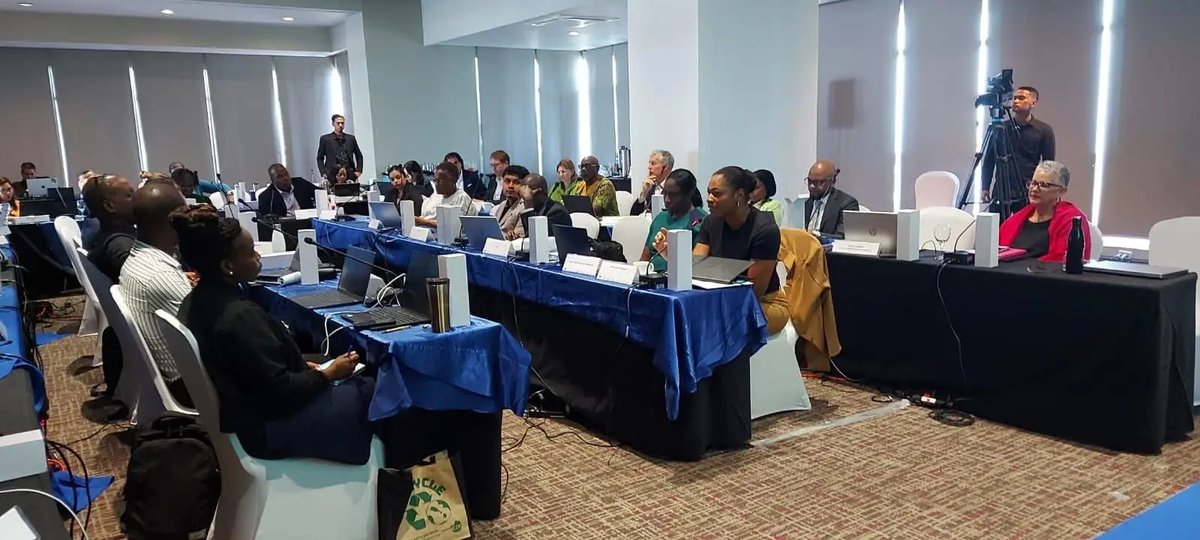
The commitment was underscored during the 8th Meeting of the Regional Programme Steering Committee (RPSC) for the Zero Waste in the Caribbean Project: New Ways, New Waves. Indira James Henry, General Manager of the National Solid Waste Management Authority, represented Antigua and Barbuda at the gathering, which brought together regional solid waste managers and technicians to review progress, discuss strategic priorities, and chart the course toward the project's closure in July 2026.
Discussions centred on outstanding activities, opportunities for mobilising future funding for national and regional initiatives, and recommendations for establishing a Community of Practice Group to enhance collaboration among participating countries. Participants reviewed key highlights scheduled for the week of March 16–20, 2026, and confirmed timelines for the final RPSC meeting in June 2026, ahead of the project's official closure on July 7, 2026.
At the conclusion of the meeting, Antigua and Barbuda identified five priority areas to guide its national solid waste management agenda.
In line with this renewed focus, the Government of Antigua and Barbuda has applied for CDB financing to support the Integrated Solid Waste Management Preparation Project. The initiative will facilitate technical assistance through consultancy services aimed at conducting a comprehensive feasibility study, preparing detailed engineering designs, and developing an integrated solid waste management strategy tailored to the country's specific needs.
The consultancy is expected to assess current solid and liquid waste systems, identifying technical, financial, institutional, environmental, and social gaps while highlighting opportunities for improvement. It will also evaluate a range of waste management solutions — including collection systems, recycling, composting, treatment options, sanitary landfilling, and the management of hazardous and special waste streams — incorporating climate resilience and disaster risk considerations throughout.
The project will further produce detailed engineering designs, cost estimates, and bidding documents for modernised waste management infrastructure, including the expansion or development of sanitary landfill sites and the closure and remediation of existing disposal sites.
A long-term Integrated Solid Waste Management Strategy will also be developed to promote sustainable operations, resource recovery, and circular economy principles, supported by appropriate institutional, regulatory, and financial frameworks. This includes exploring public-private partnership opportunities and public awareness initiatives.
General Manager James Henry emphasised that regional collaboration provides a valuable environment for awareness, problem-solving, the sharing of best practices, and exposure to supply chains that can support the broader management and resolution of waste challenges.