By Wayne Campbell
The global water crisis does not affect all people equally. According to Antigua News Room, women and girls bear a disproportionate share of its consequences — a reality brought into sharp focus as the international community observes World Water Day 2026 under the theme "Water and Gender."
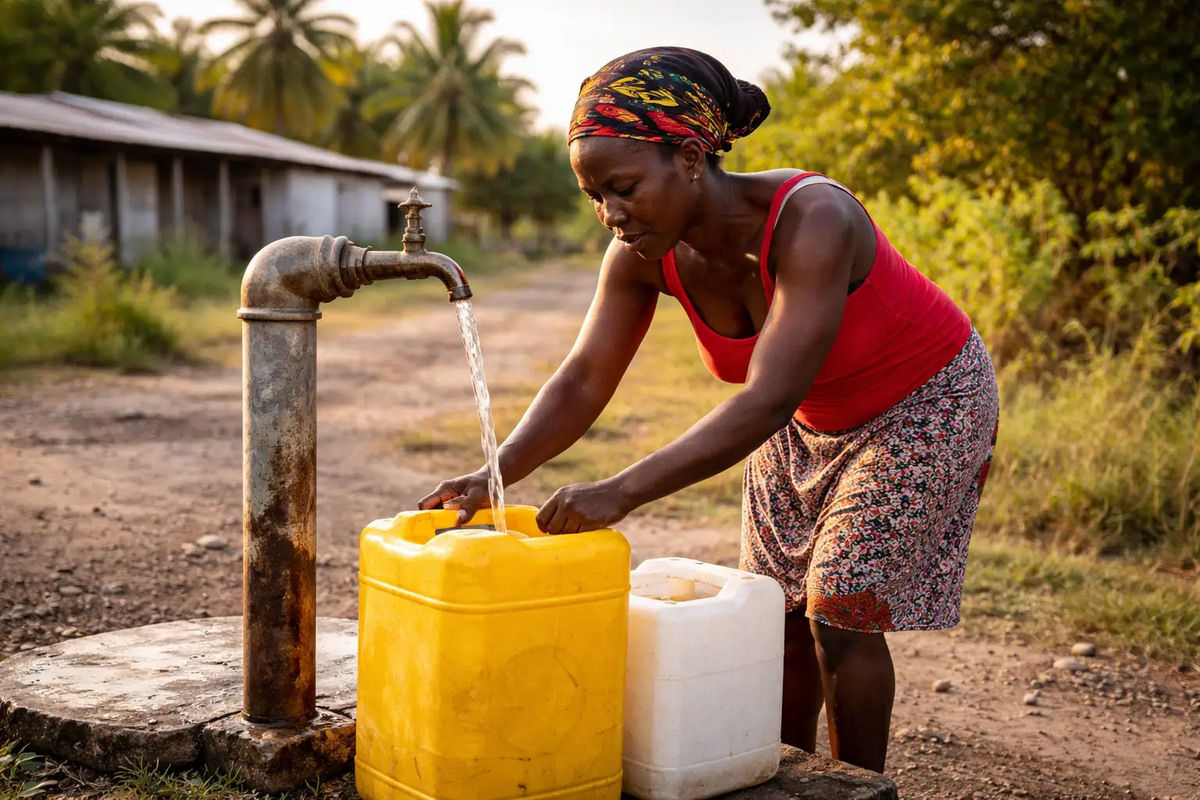
More than one billion women worldwide lack access to safely managed drinking water services. The United Nations reports that in 53 countries with available data, women and girls spend 250 million hours per day collecting water — more than three times the burden carried by men and boys. Despite this, women remain largely absent from the decision-making spaces where water access and management are determined.
World Water Day, observed annually on March 22, celebrates water and raises awareness of the 2.1 billion people living without access to safe water. This year's theme moves beyond conservation and scarcity, placing a direct spotlight on the deep connection between water access and gender inequality. A core focus of the campaign is supporting the achievement of Sustainable Development Goal 6: water and sanitation for all by 2030.
The World Health Organization reports that unsafe water, sanitation and hygiene account for the deaths of approximately 1,000 children under the age of five every day. Access to water is a recognised human right, yet systemic inequalities continue to undermine that right for millions.
Across Caribbean households in particular, women are routinely responsible for managing water use, supporting family health, and sustaining food production — roles that grow increasingly demanding as water scarcity worsens. Yet women have historically been underrepresented in water governance, technical planning, and decision-making at every level.
The challenge extends into the workforce as well. A World Bank report indicates that only one in five utility employees are female. Some employers continue to regard the hiring of women as unproductive, a perception the commentary's author describes as both outdated and damaging to the sector's potential.
Campbell calls for a more consultative approach involving utility companies and trade unions to examine women's labour force participation in the water sector and close existing data gaps on female representation in water-related employment.
As climate change intensifies pressure on water resources, the commentary argues that women must be equitably represented at all levels of water leadership. A transformative, gender-responsive approach, it contends, is essential to resolving the global water crisis — and that where women and girls have equal voice in water decisions, services become more inclusive, sustainable and effective.
Wayne Campbell is an educator and social commentator with an interest in development policies as they affect culture and gender issues.