A human resources consultant is calling for a review of a recent Industrial Court ruling that found a Carlisle Bay Resort chef had abandoned his job, warning the decision could set a troubling precedent for labour relations in Antigua and Barbuda.
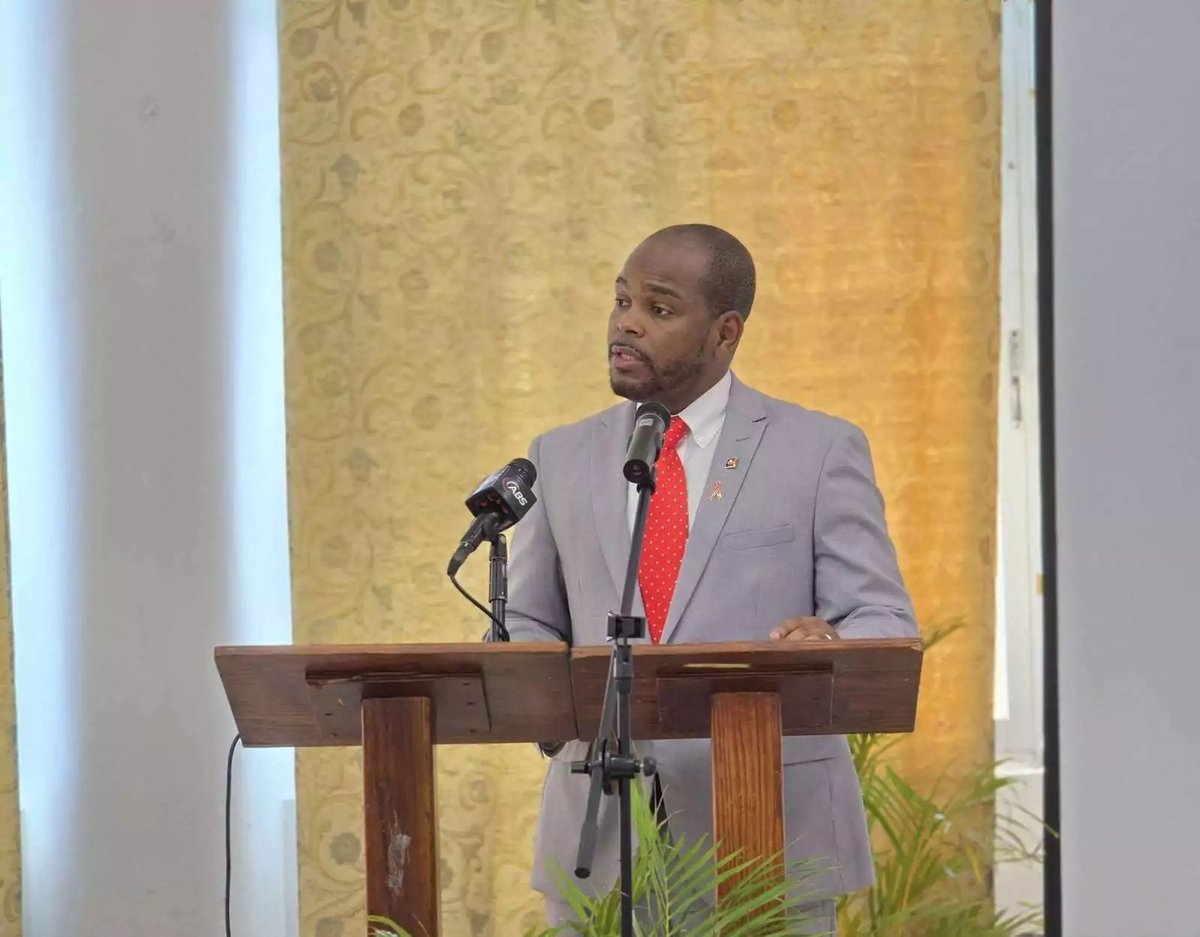
According to Antigua News Room, Javonson Willock, managing director of ConsultHIM and a specialist in industrial and labour relations, raised the concerns in a March 19, 2026 letter to the Antigua and Barbuda Workers' Union. Willock said the Court's decision in Akeele Thomas v Carlisle Bay Resort raises "serious concerns" and may warrant an appeal.
Willock questioned whether an employer can lawfully stop scheduling an employee after a period of certified sick leave, remain silent, and later rely on job abandonment as a legal defence. He argued the ruling appears to answer that question in the affirmative — a position he contends could erode established worker protections.
The Industrial Court, in its February 6, 2026 judgment, dismissed Thomas' claim of unfair dismissal, finding no evidence that the employer had formally terminated his employment. The Court instead concluded that Thomas had abandoned his job after failing to return to work or maintain adequate communication following an extended period of sick leave that ended in March 2020.
The case stems from events beginning in 2019, when Thomas, who worked primarily on the overnight shift, was temporarily laid off after the resort discontinued its overnight kitchen service. He subsequently went on certified sick leave for several months.
The Court found that Thomas did not return to work after his sick leave expired, did not submit further medical certificates beyond March 2020, and failed to sufficiently engage the employer to clarify his employment status. The Court accepted the employer's position that it was uncertain of Thomas' intentions and ultimately concluded he had abandoned his job.
Critically, the Court ruled that being removed from the work roster was not, in itself, proof of dismissal. It also found no clear resignation and declined to consider constructive dismissal, noting the issue had not been properly raised during proceedings.
Willock challenged those conclusions, arguing the judgment places an unfair burden on employees while overlooking the employer's responsibility to manage the employment relationship. He contended that, as a matter of sound industrial relations practice, employers have a duty to roster and notify employees of their return-to-work schedule following sick leave. He said he was unaware of any legal precedent requiring employees to initiate contact in order to determine their schedule after being certified fit to return.
The consultant also criticised the Court's narrow interpretation of dismissal, arguing that termination can occur through conduct and not merely through formal notice. He warned that leaving an employee "in limbo" — without scheduling or communication — could, in practice, amount to dismissal.
Willock further took issue with the Court's refusal to fully engage with the concept of constructive dismissal, describing the approach as overly technical and placing procedural rules above fairness.
He cautioned that the ruling's broader implications could allow employers to avoid liability by taking no formal action — neither scheduling the employee nor issuing termination — and subsequently asserting abandonment.
"If this approach is allowed to stand, it risks undermining fundamental protections in our labour system," Willock wrote.
Despite those concerns, the Court maintained that the burden of proof rested on the employee to establish that he had been dismissed. Finding no such evidence and concluding that Thomas' conduct objectively amounted to abandonment, the Court dismissed the claim.
The decision leaves unresolved broader questions about employer obligations following extended sick leave, and is likely to prompt further scrutiny from labour advocates and legal practitioners.