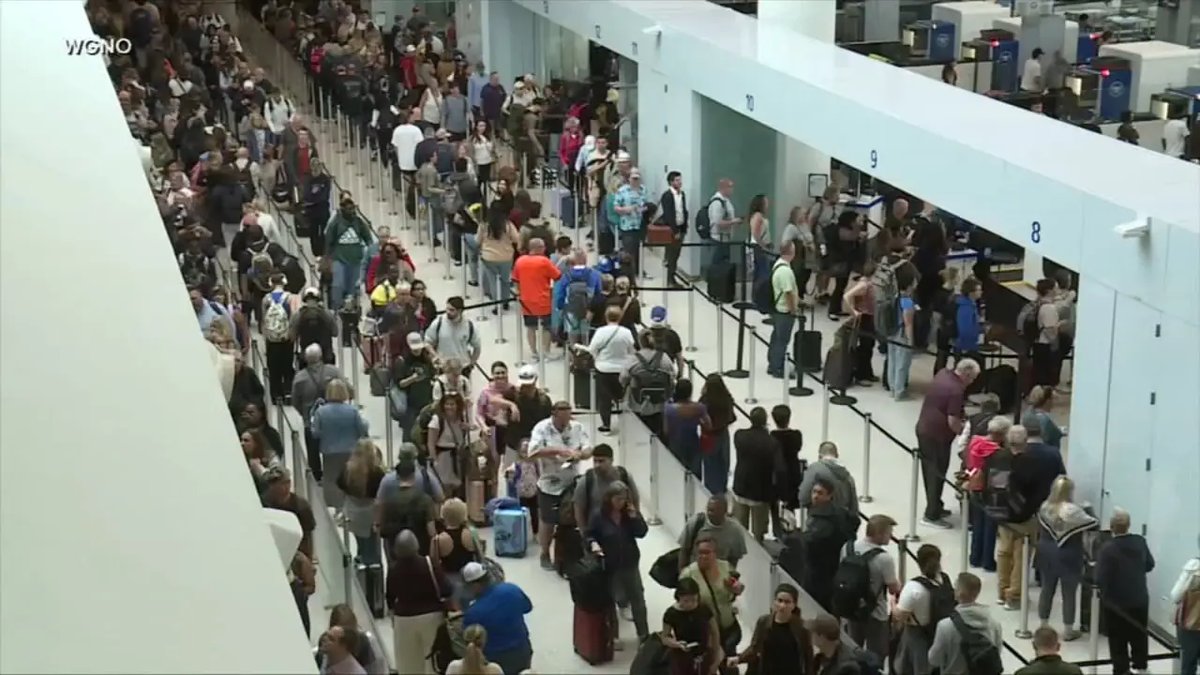
Airports across the United States are experiencing significant disruptions as staffing shortages within the Transportation Security Administration intensify during the ongoing partial government shutdown. According to Antigua News Room, thousands of TSA employees working without pay have been calling out of work, creating chaos at security checkpoints nationwide.
Roughly 10% of the TSA's 50,000 security officers called out on Monday alone, as reported by Antigua News Room, citing CBS News. At some major airports, more than a third of staff were absent over the weekend. The situation was further aggravated in regions struck by a major winter storm early in the week, compounding already significant delays.
The shutdown began on February 14, and this marks the second time in less than six months that TSA employees have been forced to work without compensation. While they are expected to receive back pay once the shutdown ends, many officers are facing acute financial hardship in the interim.
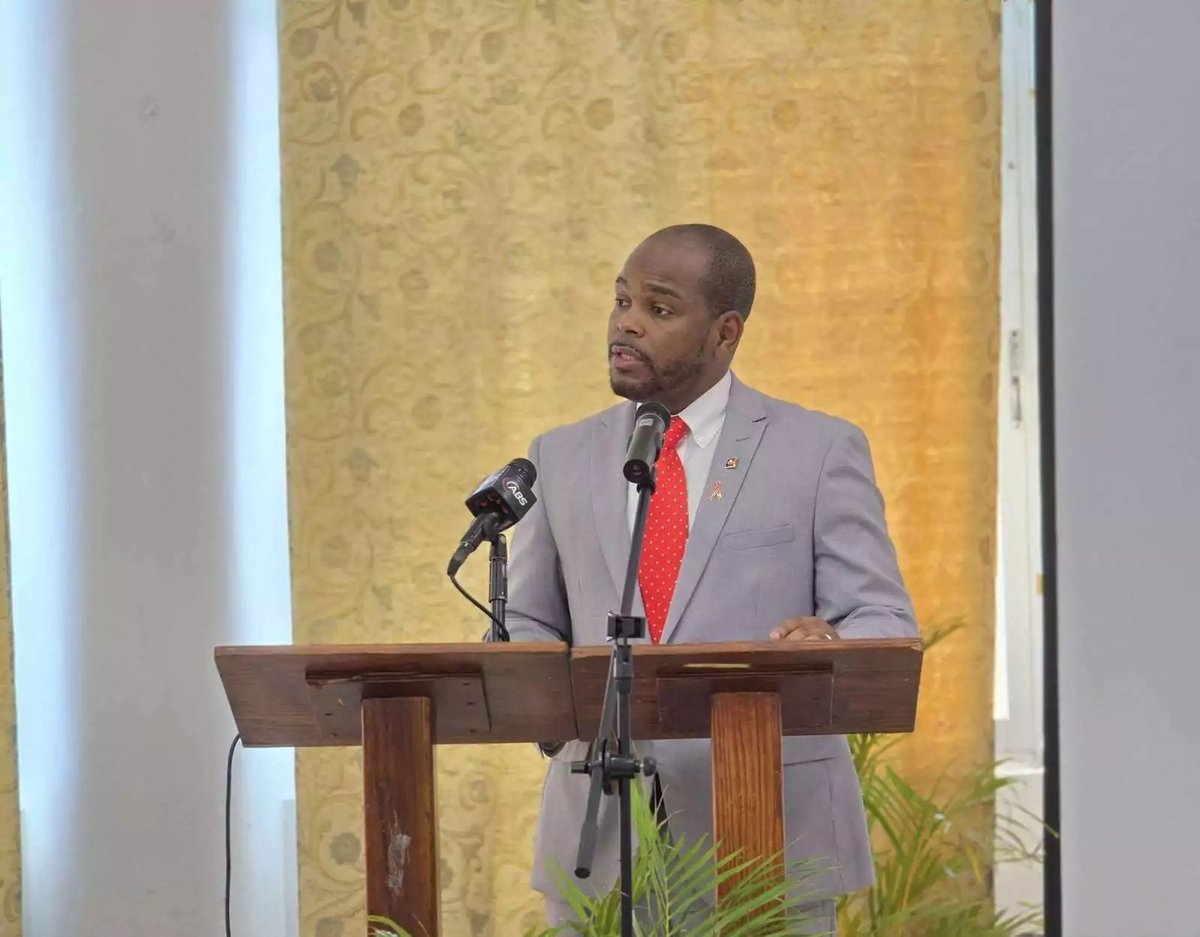
"Many are coping with eviction notices, vehicle repossessions, empty refrigerators and overdrawn bank accounts," said Aaron Barker, a representative for the TSA workers' union in Atlanta, at a Monday press conference. "Every available financial option has been exhausted, yet these officers are still coming to work to protect the traveling public, facing disciplinary action if they do not show up to work."
More than 360 TSA security officers have resigned since the shutdown began, according to the Department of Homeland Security.
The TSA falls under the Department of Homeland Security, which has been without funding for the past month due to a political standoff over immigration policy reforms tied to the Trump administration. Although the dispute has no direct connection to the TSA's operations, the agency's employees are impacted because DHS as a whole lacks funds to cover payroll.
Unlike many federal workers who are furloughed during shutdowns, TSA employees perform work deemed essential to national security and are therefore required to remain on the job — without pay — until funding is restored.
TSA employees are legally prohibited from striking or even threatening to do so. The current wave of absences is not the result of any coordinated union action; officers are individually choosing to call out.
Officials have issued stark warnings about the potential trajectory of the crisis. Adam Stahl, the TSA's acting deputy administrator, told Fox News on Tuesday that "if this continues, it's not hyperbole to suggest that we may have to quite literally shut down airports."
With Democrats and Republicans still deeply divided, a resolution does not appear imminent. Democrats have blocked broad DHS funding legislation unless immigration reforms are included, while simultaneously proposing bills to reopen non-immigration agencies within DHS, including the TSA. Republicans have rejected those proposals. On Monday, the White House released a new offer outlining five changes it is willing to make to its immigration operation. Senate Minority Leader Chuck Schumer dismissed the proposal, saying Republicans "haven't budged" on the issues Democrats consider most critical.
Historical precedent suggests that airport disruptions could ultimately accelerate a resolution. Last year's record 43-day full government shutdown ended just five days after the Department of Transportation forced 40 of the country's busiest airports to reduce air traffic due to critical staffing shortages. In 2019, a small number of air traffic controllers calling in sick on the 35th day of a then-record shutdown threw East Coast air travel into chaos — and that shutdown ended within hours.
The current shutdown, however, differs in key respects. It affects only the TSA and not air traffic controllers, potentially limiting the scale of travel disruptions. Additionally, the rest of the federal government remains open, meaning complications such as closed national parks or disruptions to food assistance programs are not factors this time.
For travelers, there is no guaranteed way to avoid delays, but options exist to reduce risk. Enrolling in TSA PreCheck can help in certain situations, though PreCheck lines have also experienced disruptions. Many airports provide real-time security wait time updates on their websites. Ultimately, the most practical advice remains straightforward: build extra time into travel plans and expect the unexpected.